Spiritual wellness is a way of thinking about meaning, values and connection in daily life. For some people it is rooted in religion; for others it involves reflection, community or time in nature. There is no single routine or object that everyone needs, and it should not be treated as a measure of how successfully someone is coping.
What is spiritual wellness and its key dimensions?
Useful areas to reflect on include your own values, relationships with other people, the natural world and any religious or philosophical commitments. These are prompts for exploration rather than a clinical checklist.
Spirituality and religion can overlap. Some people find meaning within a shared religious tradition; others use the term spirituality more personally. Neither approach guarantees mental health, and having difficulties is not evidence of insufficient belief or effort.

Shop Now: Resin Buddha Statue - Teal & Gold - Large
A personal value compass is simply a way to describe the principles that guide your choices. You might reflect on kindness, honesty, creativity or service, then consider how those values fit ordinary decisions.
Your interests and routines can change with circumstances. It is reasonable to keep what feels meaningful and leave aside practices that feel uncomfortable or unhelpful.
Which practices build and enhance spiritual wellness?
Meditation and mindfulness have been studied in a range of settings. The NCCIH evidence review describes potential benefits and research limitations. These findings do not mean that all spiritual activities, or decorative objects associated with them, have the same effects.
You could explore one of these options if it suits your preferences:
- Gratitude journalling. Write three things you are grateful for each morning. This simple act trains attention toward what is good and present, rather than what is lacking.
- Mindful walking. Walk slowly and deliberately, noticing textures, sounds, and light. Body-centred practices like mindful walking are more accessible than seated meditation for many people, particularly those who find stillness difficult.
- Seated meditation. Begin with five minutes of focused breathing. Consistency matters far more than duration.
- Time outdoors. If you enjoy it, choose a comfortable place to walk or sit and notice your surroundings.
- Values reflection. Set aside ten minutes weekly to ask yourself whether your actions aligned with your values that week. This builds the personal value compass that sits at the heart of spiritual wellness.
Pro Tip: Start by defining your personal ‘why’ before attempting any formal meditation technique. Knowing what you are seeking from spiritual practice makes every other step more grounded and sustainable. Explore mindfulness activities for adults for structured guidance if you are just beginning.
A short, manageable routine may be easier to fit into daily life than an ambitious one. Choose the timing and frequency that suit you; there is no universal dose or guaranteed outcome.

Why does spiritual wellness matter for mental health?
Questions of meaning and connection can matter to people experiencing mental-health difficulties, but spiritual activities are not substitutes for professional assessment or treatment. Support should respect the individual’s beliefs and preferences.
Avoid promises that a particular routine will rewire the brain or produce lasting psychological change. Research on meditation is varied, and findings about structured programmes cannot be transferred automatically to an ornament or an informal daily ritual.
People respond differently to adversity. Needing professional support is compatible with religious belief, spiritual practice or a strong sense of purpose; it is not a failure of resilience.
People find meaning in many ways, including religious communities, relationships, creative work and nature. There is no need to adopt a label to explore what matters to you.
How can you incorporate spiritual wellness into daily life?
Building spiritual wellness into everyday life is more straightforward than most people expect. The key is starting with what already resonates with you, rather than adopting a practice that feels foreign or performative.
These approaches help you begin:
- Identify your core values. Write down five values that feel genuinely yours, such as honesty, kindness, creativity, or courage. Return to this list when you feel adrift.
- Create a morning ritual. Even five minutes of stillness before the day begins sets a different tone. This could be breathing, journalling, or simply sitting quietly with a warm drink.
- Spend intentional time in nature. Leave your phone at home for one walk each week. Notice what you see and feel without narrating it for anyone else.
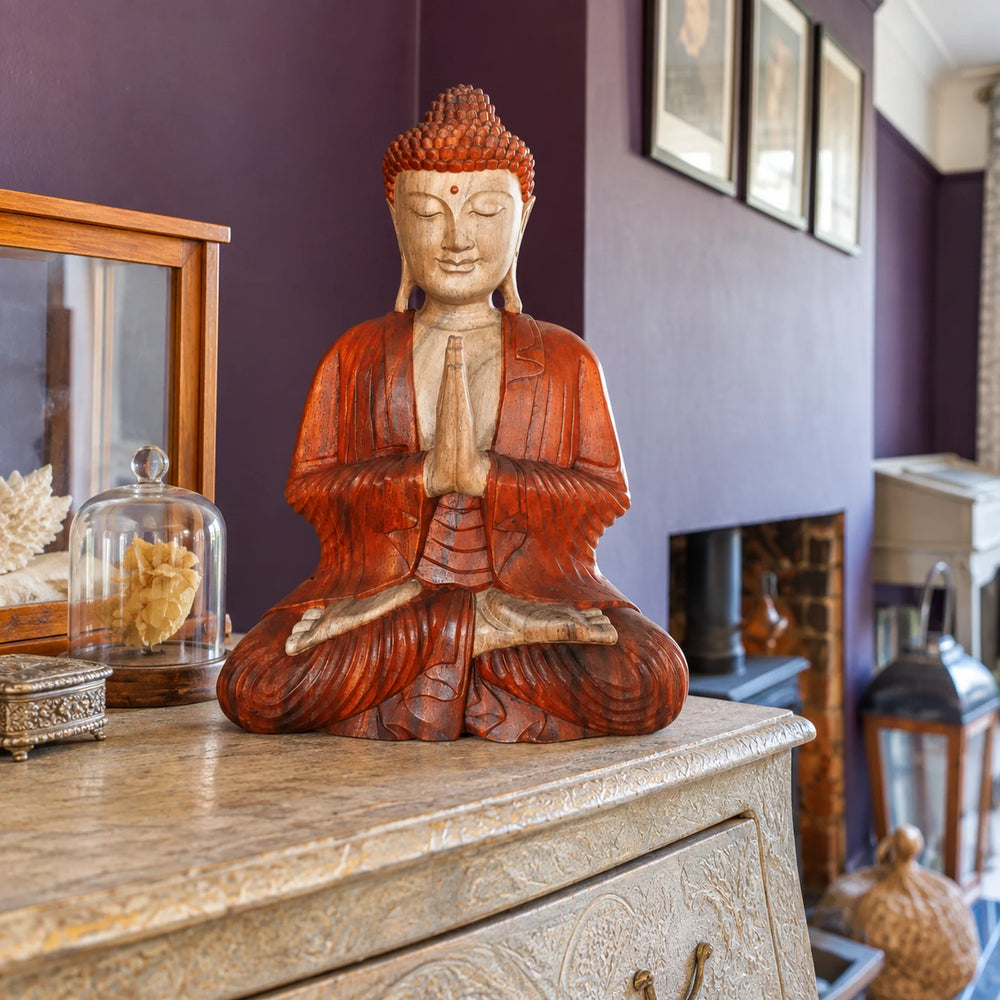
- Curate your physical space. Physical environment plays a subtle yet crucial role in spiritual wellness. Intentional space curation creates tangible anchors for intangible spiritual work. A calm, considered room gives your practice somewhere to settle.
- Seek community if you would find it helpful. Look for a group or teacher whose approach and qualifications suit your goals, and ask about what participation involves before committing.
Pro Tip: Avoid spiritual exhaustion by keeping your practice light and flexible. If a technique stops feeling meaningful, set it down without guilt and try something else. Spiritual wellness activities should feel like rest, not obligation.
A common pitfall is treating spiritual wellness as another item on a to-do list. Experts caution that a sincere desire to connect is the most critical prerequisite for any practice. Without that willingness, even the most structured programme will feel hollow. Start with curiosity, not pressure.
For those who respond well to their physical environment, consider how your home reflects your inner life. A space that feels restful and anchored supports the kind of quiet attention that spiritual practice requires. Rootandstill’s mindful living room decor guide offers thoughtful ideas for creating that kind of atmosphere at home.
Key takeaways
Spiritual wellness concerns personal meaning, values and connection. It can take religious or non-religious forms and does not require buying an object.
| Point | Details |
|---|---|
| Religious or non-religious | People approach meaning and values in different ways. |
| Four core dimensions | Connection to self, others, nature, and the transcendent forms the foundation of spiritual health. |
| Keep routines manageable | Choose a pace that fits your circumstances rather than a promised formula for resilience. |
| Physical space supports practice | Curating a calm, intentional environment creates a tangible anchor for spiritual work at home. |
| Start with your ‘why’ | Defining what you seek from spiritual practice makes every technique more grounded and sustainable. |
Start with a practice that fits your values
Choose a manageable activity that feels meaningful: time outdoors, reflection, a conversation or a quiet pause. There is no need to buy equipment or perform spirituality for others. Your routine can change with circumstances, and it should complement rather than replace any support you need.
Bring spiritual wellness into your home with Rootandstill
A comfortable corner can provide a place for reflection, reading or a quiet pause. Start with what you already have. Decorative objects are optional, and their appearance or symbolism should suit your own preferences.
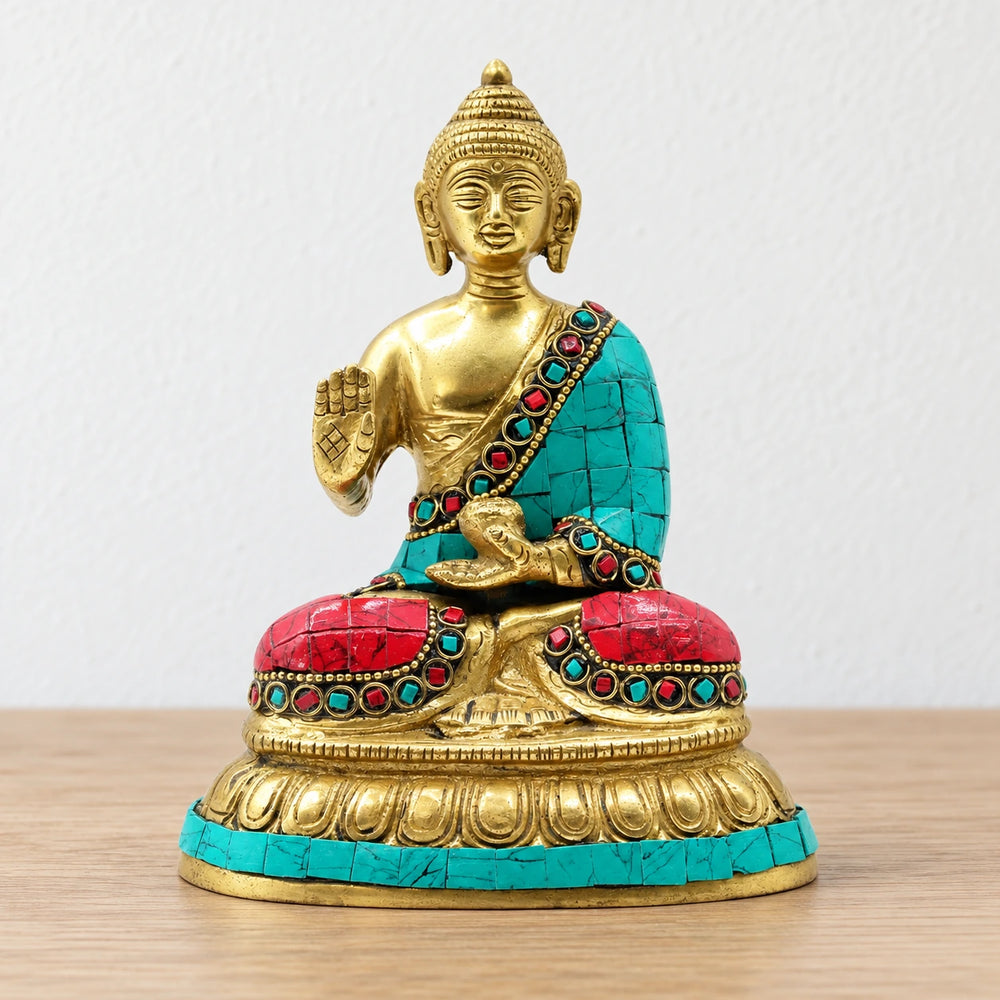
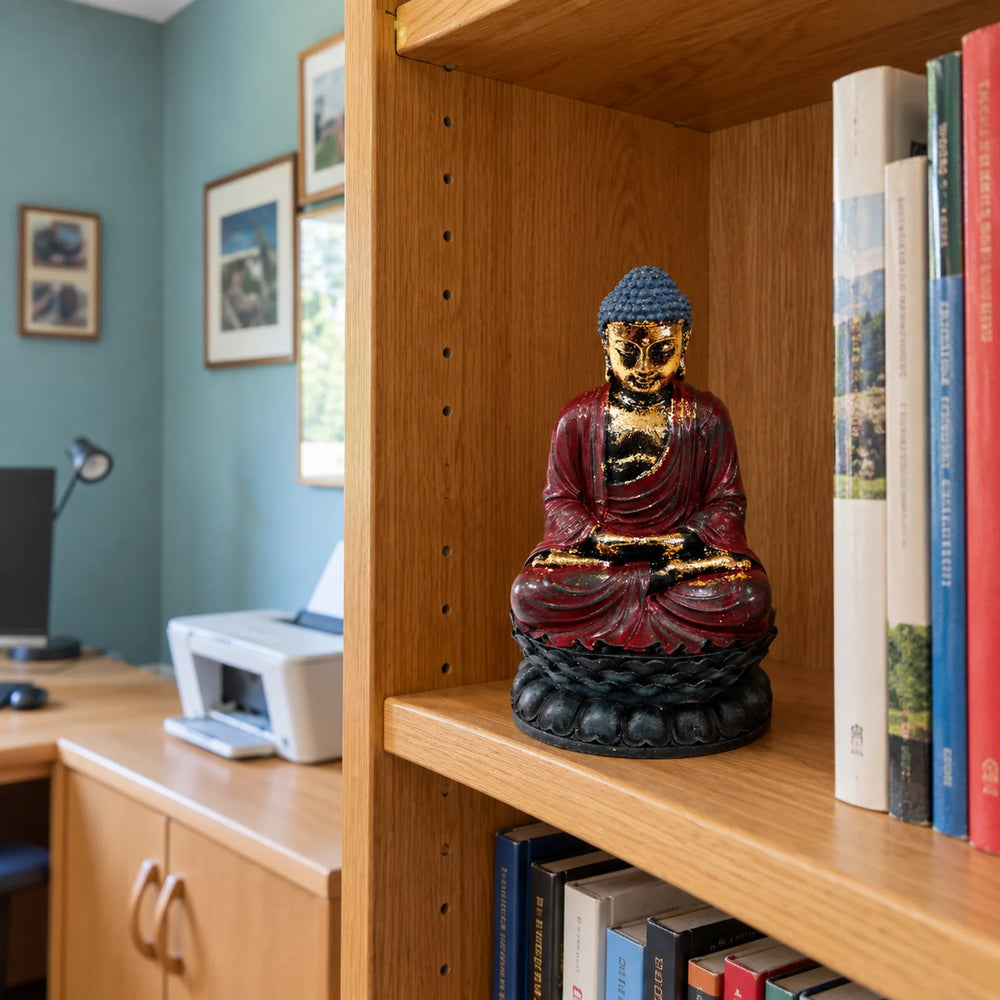
If you want to add a piece, compare resin Buddha figures, Buddha glow lamps or brass Buddha figures. Check the individual product’s dimensions, material, power details where relevant and included components before choosing. Antique-style finishes describe appearance, not historic age.
FAQ
What is the definition of spiritual wellness?
It is a way of reflecting on values, meaning and connection. It may be religious or non-religious and is not a clinical diagnosis or a standard everyone must meet.
Is spiritual wellness the same as being religious?
Not necessarily. Religious practice can be part of spiritual wellness, but people also explore meaning through relationships, nature, creativity or personal values.
What are the most effective spiritual wellness practices?
There is no single best practice for everyone. You might try reflection, journalling, time outdoors or a suitable guided practice, and keep only what fits your needs.
How does spiritual wellness affect mental health?
Meaning and connection can be important to wellbeing, but spiritual activities do not replace professional help for mental-health difficulties. The evidence for specific meditation programmes should not be generalised to every practice or object.
How do I start building spiritual wellness at home?
Begin by identifying your core values and creating one small daily ritual, such as five minutes of stillness or a gratitude journal entry. Curating a calm physical space, such as a dedicated corner with a meaningful object, also provides a tangible anchor for your practice.