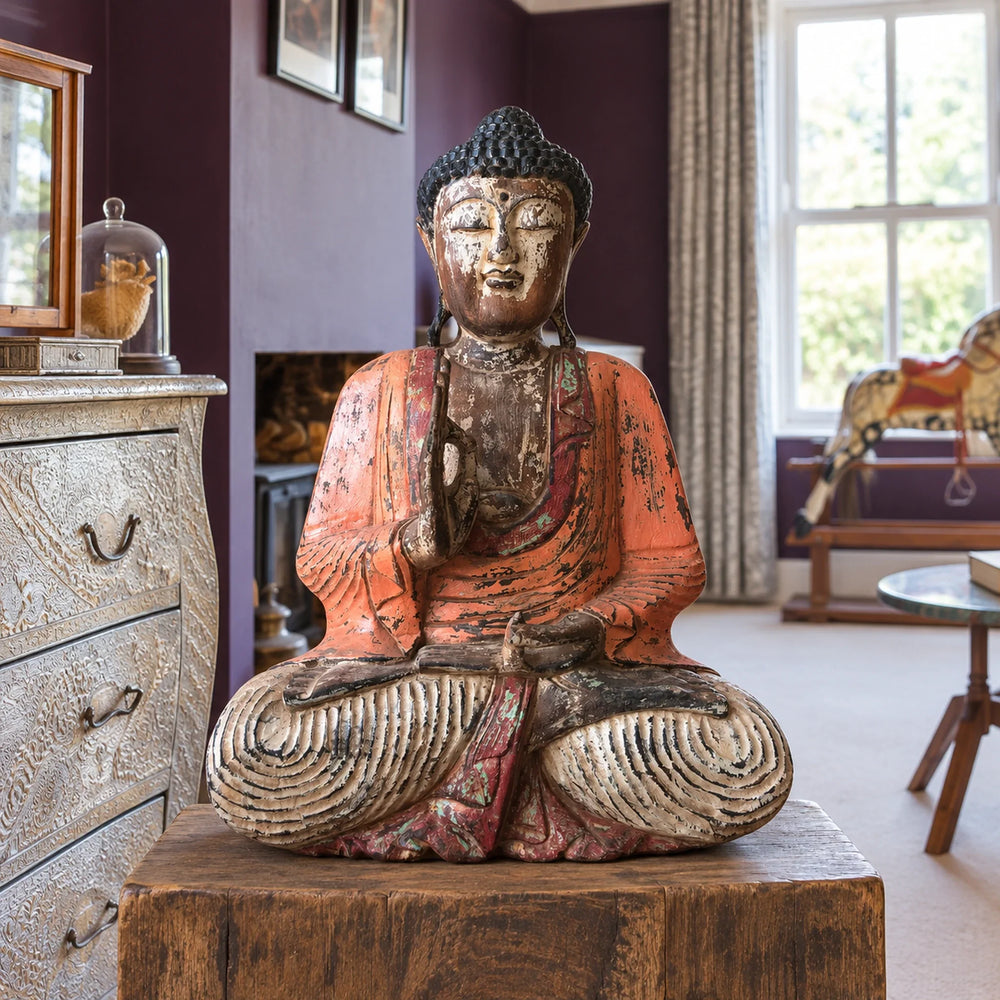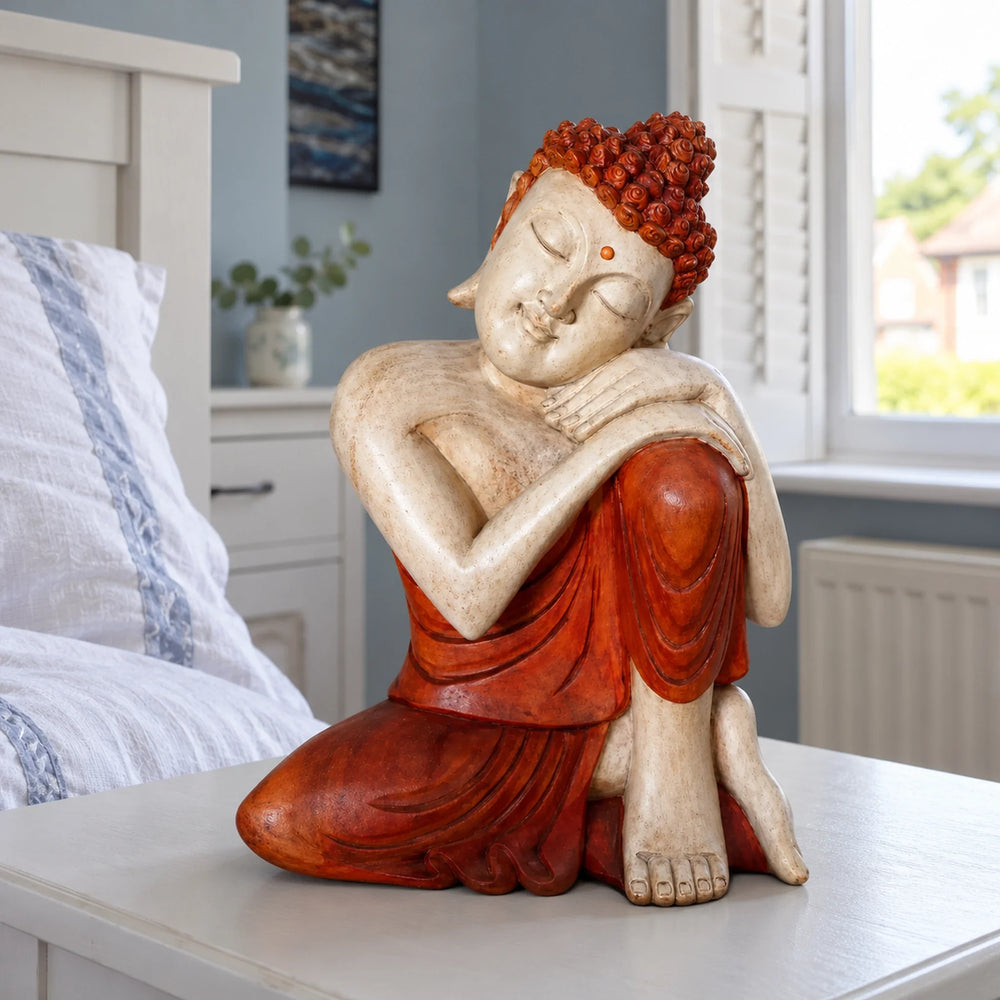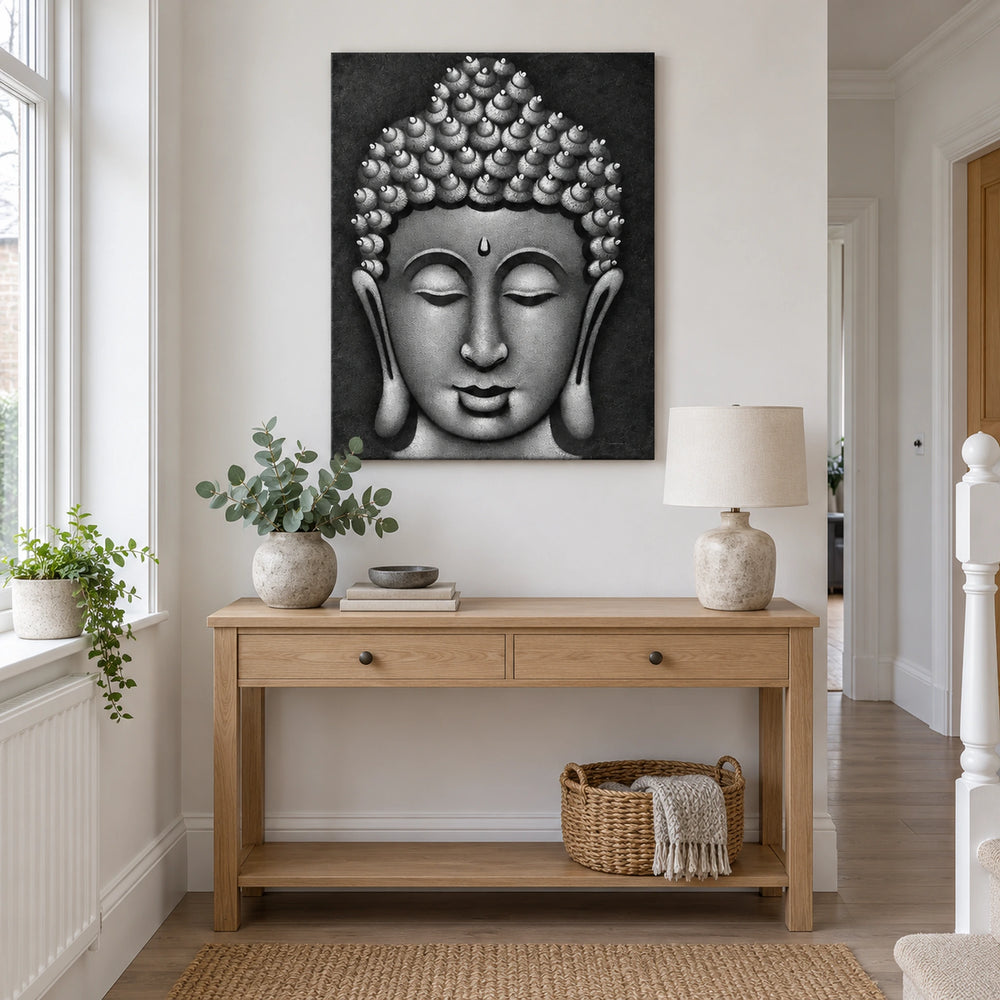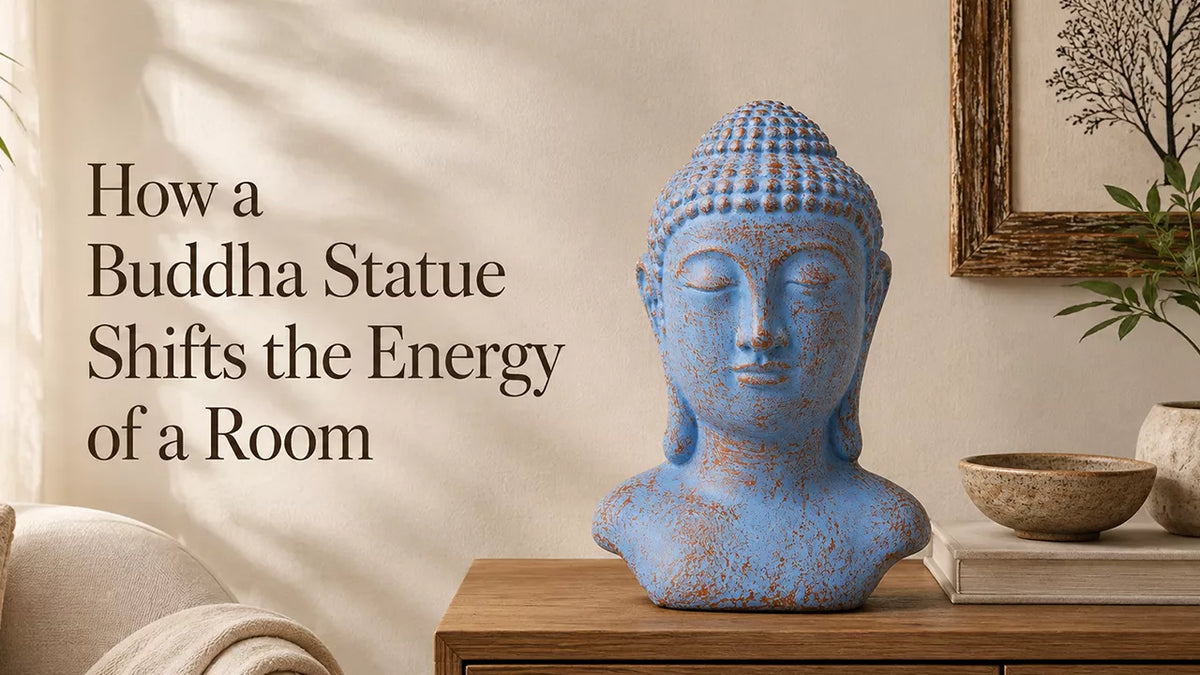
A Buddha statue can represent compassion, wisdom or a chosen spiritual practice. In home decoration, “positive energy” is best understood as personal or cultural language for the atmosphere you want to create, rather than a measurable force emitted by an object. Buddhist teachings on goodwill and ethical conduct have a religious context; they should not be turned into promises that a statue will heal illness or attract a particular outcome.
How do Buddha’s teachings cultivate positive energy?
Buddhist positivity emerges from removing harmful mental habits rather than trying to forcibly induce happiness, which means the wholesome states arise naturally once the conditions are right. Think of it less like switching on a light and more like clearing the windows so the light already present can come through. This distinction matters enormously, because many people approach positivity as something to manufacture, and that effort alone creates tension.
The mechanics follow what Theravada texts describe as an upward spiral. Virtuous conduct leads to freedom from remorse, which opens into delight, then joy, then calm, and finally deeper concentration. Each stage supports the next. Joy in Buddhist practice arises from clarity about the nature of things and the path out of suffering, progressing from gladness through calm to clear seeing and freedom. This is a sequential, trainable process, not a mood.

Right Effort, one of the eight factors of the Noble Eightfold Path, provides the practical framework. Right effort comprises four distinct actions: preventing unwholesome states from arising, abandoning those that have already arisen, cultivating wholesome states, and maintaining them once present. This makes positive energy in Buddhism a managed system rather than a fleeting feeling. Effort without direction causes exhaustion or no results at all, which is why the four-part structure is so precise.
Wholesome states worth cultivating include generosity, compassion, and patience. Each of these, when practised consistently, creates a mental environment where calm and joy can settle. They are not virtues to perform for others but conditions you create for your own mind first.
Pro Tip: When working with Right Effort, focus on one unwholesome pattern at a time rather than trying to overhaul your entire mental life at once. Sustained, gentle attention to a single habit yields more lasting change than broad, exhausting effort.
What does metta mean in Buddhist practice?
Metta, translated as loving-kindness or goodwill, is the Buddha’s most direct teaching on generating positive energy toward oneself and others. It is a meditation practice and a way of orienting the mind throughout daily life, not only on the cushion. The Buddha taught metta as both a path to inner peace and a form of protection, and the tradition records a striking example: the Buddha is said to have tamed an aggressive elephant by radiating goodwill toward it, with the animal calming completely in his presence.
Traditional accounts describe blessings associated with metta practice. These are religious teachings, not verified promises of protection, better sleep or physical healing for everyone who practises or owns a Buddha image.
Research on meditation cannot be used as evidence that a decorative figure changes health. The NCCIH review describes potential benefits for some meditation practices, but also limitations in the research. It advises against replacing conventional care with meditation or mindfulness.

Metta practices often extend goodwill to oneself and others. The sequence and instructions vary between teachers. If you want to learn the practice, seek suitable guidance and treat it as a practice rather than a guarantee of restored health.
For religious practice, follow the guidance of a qualified teacher within the tradition you are studying. There is no need to force a particular feeling or regard a difficult session as failure.
How do the Brahmaviharas form a balanced system for well-being?
The Brahmaviharas, often translated as the four divine abodes or four immeasurables, are the Buddha’s most complete emotional training system. They are loving-kindness (metta), compassion (karuna), sympathetic joy (mudita), and equanimity (upekkha). Together, they form a balanced emotional system where each quality supports and corrects the others, much like four legs of a table. Remove one and the whole structure becomes unstable.
| Brahmavihara | Meaning | What it corrects |
|---|---|---|
| Metta (loving-kindness) | Goodwill toward all beings | Ill will and resentment |
| Karuna (compassion) | Wish to relieve suffering | Cruelty and indifference to pain |
| Mudita (sympathetic joy) | Delight in others’ happiness | Envy and competitive bitterness |
| Upekkha (equanimity) | Balanced, non-reactive presence | Attachment and aversion |
A common misunderstanding is that equanimity means emotional flatness or detachment. It does not. Equanimity is the quality that keeps loving-kindness from becoming possessive, compassion from collapsing into despair, and sympathetic joy from tipping into excitement. It is the steadying quality that allows the other three to remain clear and sustainable over time.
The Brahmaviharas offer a religious framework for cultivating goodwill, compassion, appreciation of others’ happiness and equanimity. Their meaning should be understood in that context rather than reduced to a claim about brain changes from owning decorative objects.
What role does the Medicine Buddha play in healing and positive energy?
Bhaisajyaguru, usually called the Medicine Buddha, is associated with healing in Buddhist traditions. Himalayan Art Resources describes the figure and its ritual context. This religious identity does not make an image or statue a medical treatment.
Medicine Buddha texts and practices express aspirations to relieve suffering. Their healing language belongs to a religious tradition and should not be presented as a guarantee of perfect health or protection from illness.
For someone who follows the tradition, devotional practice may have personal meaning alongside everyday life and medical care. Do not postpone professional advice or treatment because of a spiritual object or practice.
Positive energy practices in Buddhism connected to the Medicine Buddha include:
- Reciting the Medicine Buddha’s name or mantra as a devotional practice
- Visualisation within a teacher-led religious practice
- Observing ethical precepts as a foundation for the practice to take root
- Dedicating the merit of practice to others who are suffering
The meaning of this tradition is religious and ethical. In a home, its imagery can express those commitments without implying that decoration changes physical illness.
Key takeaways
Buddhist ideas of goodwill and compassion can inform the meaning a person gives to a statue. Keep religious symbolism, personal preference and medical evidence distinct.
| Point | Details |
|---|---|
| Symbolism is personal | A figure may remind its owner of compassion or a chosen practice; it does not guarantee an outcome. |
| Right Effort is a system | Four-part mental training prevents, abandons, cultivates, and maintains wholesome states. |
| Metta is a practice | Owning an image is different from learning or practising loving-kindness meditation. |
| Brahmaviharas balance each other | Loving-kindness, compassion, sympathetic joy, and equanimity form a self-correcting emotional system. |
| Medicine Buddha has a religious context | Healing symbolism should not be presented as a medical effect of a statue. |
Bring the symbolism into everyday choices
A statue can remind its owner of compassion or a chosen practice. Its role is symbolic and personal. If you choose one, consider the figure’s meaning, measure the available surface and select a stable position where it can be treated with care.
Bring positive energy into your home with Rootandstill
If you would like a decorative focal point, compare our wooden Buddha statues and Buddha Feng Shui sets. Check the dimensions, material and included pieces on the individual product page, then choose a stable position that suits your room. Buy for the meaning and appearance you value, without expecting a health benefit.
FAQ
What is the role of Buddha in positive energy?
A Buddha image may symbolise qualities such as compassion or wisdom. “Positive energy” in a decorating guide is a personal or cultural description, not a measurable force guaranteed by the ornament.
Can Buddha’s teachings help with stress and anxiety?
Some people find a spiritual practice meaningful or supportive. That does not establish a medical effect from a statue, and persistent stress or anxiety should be discussed with an appropriate health professional.
What are the Brahmaviharas and why do they matter?
The Brahmaviharas are four trainable emotional qualities: loving-kindness, compassion, sympathetic joy, and equanimity. Together they form a self-correcting system that sustains positive energy without tipping into sentimentality or emotional exhaustion.
What is the Medicine Buddha and how does it relate to healing?
The Medicine Buddha is a Buddhist figure associated with healing in religious texts and imagery. A statue is not a medical treatment and does not guarantee recovery or protection from illness.
How does metta meditation generate positive energy?
Metta means loving-kindness or goodwill. It is cultivated through practice; the presence of an ornament does not substitute for that practice or guarantee sleep, health or mood changes.