Acceptance in mindfulness is the practice of noticing your present-moment experience, whether pleasant, uncomfortable, or neutral, without immediately judging it, fighting it, or trying to make it disappear. NHS guidance and the psychological framework known as Monitor and Acceptance Theory (MAT) both point to the same insight: when you stop spending energy resisting what is already here, you free up attention for considered, intentional choices. You can try a micro-practice right now. Pause, notice one sensation in your body, name it quietly (“tightness,” “warmth,” “restlessness”), and take a single slow breath. That is acceptance in its simplest form. Rootandstill exists to support exactly this kind of intentional pause, with calming decor designed to make your home feel like a place where that breath comes naturally.
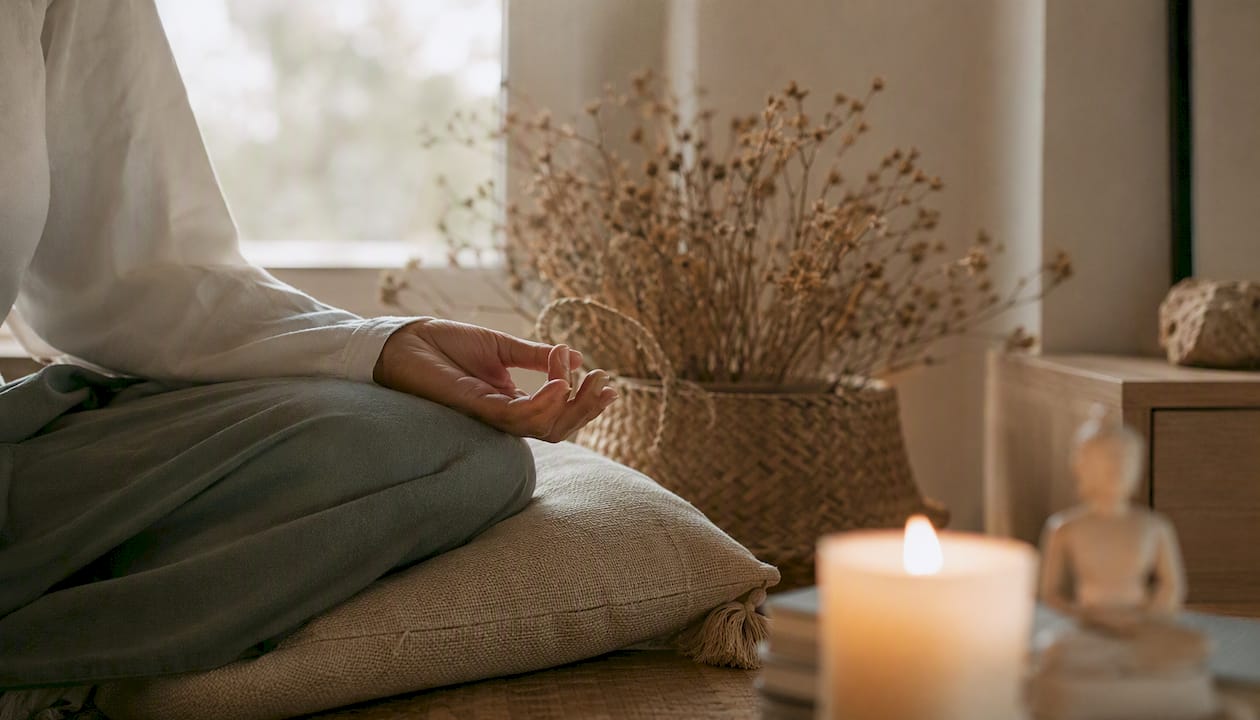
The benefits of cultivating acceptance in your practice
The gains from practising acceptance are both felt and measurable. Here is what the evidence and UK guidance suggest you might notice:
- Reduced emotional reactivity. When you stop fighting a feeling, its grip tends to loosen. Research on MAT shows that acceptance training increases non-judgemental perception, which is the mechanism most likely responsible for this shift.
- Lower physiological stress. A dismantling RCT found that smartphone-based Monitor + Accept training reduced cortisol and systolic blood pressure reactivity compared with monitoring alone, suggesting acceptance is an active ingredient, not a passive by-product.
- Pain modulation. An fMRI study by Kober et al. found that instructing participants to use mindful acceptance reduced both neural and subjective responses to pain and negative emotion, pointing to distinct brain-level changes.
- Broader, more balanced awareness. Research on stress resilience suggests that monitoring without acceptance can inadvertently narrow attention onto negative stimuli. Acceptance restores openness, so neutral and positive cues become accessible again.
Timeframe note: Some people notice a small shift in reactivity within a few sessions. Deeper, more consistent changes tend to emerge over weeks of regular practice. Progress is rarely linear, and being gentle with yourself along the way is part of the practice itself.
How acceptance is taught in therapy: ACT, MBSR, and MBCT
Acceptance sits at the heart of several well-evidenced therapeutic approaches, each with a slightly different emphasis.
Acceptance and Commitment Therapy (ACT) teaches you to “make room” for painful feelings and let them come and go without struggle, so that your energy can go towards living in line with your values rather than towards managing thought content. The goal is not to feel better in the moment; it is to act well regardless of how you feel.
Mindfulness-Based Stress Reduction (MBSR) and its clinical cousin Mindfulness-Based Cognitive Therapy (MBCT) weave acceptance into a structured eight-week programme. MAT research supports this design: monitoring and acceptance together produce broader affective benefits than monitoring alone.
For UK readers looking to access these approaches:
- NHS referral: — Your GP can refer you to MBCT on the NHS, particularly if you have a history of recurrent depression. Waiting times vary by area; ask your GP about the IAPT (Improving Access to Psychological Therapies) pathway.
One important note: if your practice consistently brings up intense or persistent distress rather than settling over time, that is a signal to pause and speak with a GP or mental health professional rather than pushing through alone.
How to practise acceptance: exercises you can use today
Formal practice 1: the three-step “name it, breathe, allow”
- Sit comfortably and close your eyes, or soften your gaze downward.
- Notice whatever is most present, a sensation, an emotion, a thought, and name it quietly: “this is tension,” “this is worry,” “this is restlessness.”
- Take one slow breath in, and as you breathe out, imagine giving the sensation a little more space rather than pushing it away.
- Repeat for two to three minutes, returning to step 2 whenever the mind wanders.
This technique is recommended in NHS-aligned acceptance handouts as an accessible starting point for beginners.
Formal practice 2: a short body scan seed
- Lie down or sit with your back supported.
- Bring attention to the soles of your feet. Notice any sensation without labelling it as good or bad.
- Move slowly upward through the body, spending a breath or two at each area.
- When you reach a place of tension or discomfort, pause. Breathe into it. Allow it to be exactly as it is, without trying to change it.
- Continue for five to ten minutes.
What the research actually says about mindful acceptance
The evidence base for acceptance as an active mechanism in mindfulness is growing, though it is worth reading it with clear eyes.
- MAT dismantling trials show that acceptance training, when separated from monitoring in controlled conditions, produces reductions in biological stress markers including cortisol and systolic blood pressure. The Lindsay and Creswell MAT research supports acceptance as the key active ingredient rather than attention training alone.
“Acceptance training increases non-judgemental perception and may be the mechanism driving the stress-reduction benefits observed in mindfulness programmes.” — Lindsay & Creswell, Monitor and Acceptance Theory
A plain-English caveat: most studies use relatively small samples, short training periods, and self-report measures. The findings are promising and consistent with NHS mental health guidance, but the science is still developing. Treat these results as supportive evidence for a practice worth trying, not as a guarantee of specific outcomes.
Key takeaways
Acceptance in mindfulness is an active skill, not a passive state: it reduces reactivity by allowing experience to be present without struggle, and the research supports it as the mechanism most likely driving the benefits of mindfulness practice.
| Point | Details |
|---|---|
| Core definition | Acceptance is non-judgemental noticing of present-moment experience, not approval or resignation. |
| Active mechanism | MAT research shows acceptance, not monitoring alone, drives reductions in stress biomarkers including cortisol. |
| Practical starting point | The three-step “name it, breathe, allow” exercise is accessible for beginners and NHS-aligned. |
| Safety first | If practice brings persistent distress, pause and consult a GP or qualified therapist rather than continuing alone. |
| Rootandstill | Small decor pieces such as the Tranquility Buddha Head Statue serve as grounding environmental cues to support daily micro-practices. |
Why acceptance is harder than it sounds, and worth it anyway
There is a quiet irony at the centre of acceptance practice: the moment you decide to accept something, part of you is still trying to control the outcome. You accept the anxiety hoping it will go away. You name the tension expecting relief. That is not quite acceptance; it is acceptance used as a strategy for avoidance, and most of us do it without realising.
What the research and the clinical tradition both point to is something more honest: acceptance works precisely when you stop using it as a tool to feel better and simply allow the experience to be what it is, for as long as it lasts. That shift is subtle, but it is where the real change lives. The physiological evidence, reduced cortisol, lower blood pressure reactivity, modulated pain responses, suggests the body registers this shift even when the mind is still sceptical.
For those of us who find it easier to settle into a practice when the environment feels right, a calm, considered space makes a genuine difference. A Buddha figurine on a shelf, a scented candle, a singing bowl, these are not substitutes for practice, but they are honest reminders that you have chosen to make space for stillness. The home you inhabit shapes the mind you bring to practice, and that is worth taking seriously.
Rootandstill: calming decor that supports your mindfulness practice
Creating a space that feels genuinely restful is one of the most practical things you can do to support a consistent acceptance practice. Rootandstill offers handcrafted Buddha statues, Buddha heads, incense holders, and singing bowls, each chosen for their quality, their quiet presence, and their ability to anchor a corner of your home as a place of intentional calm.
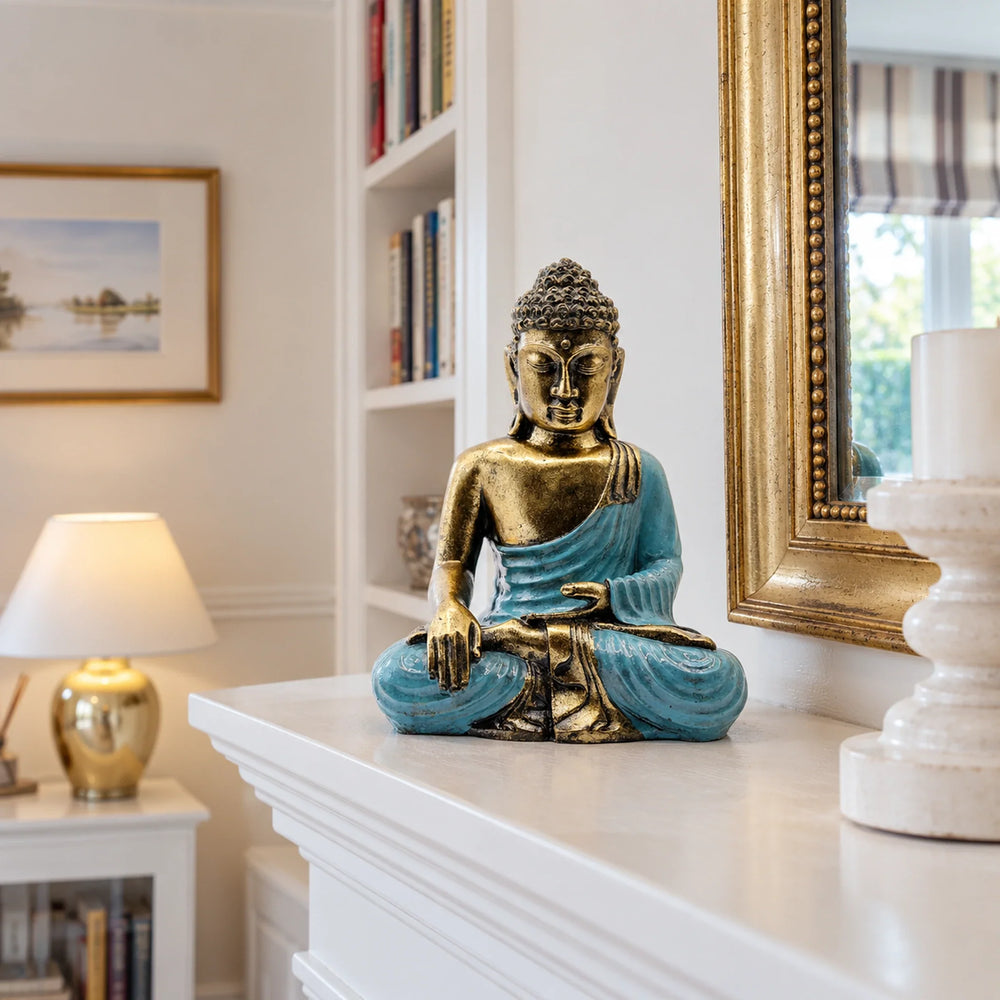
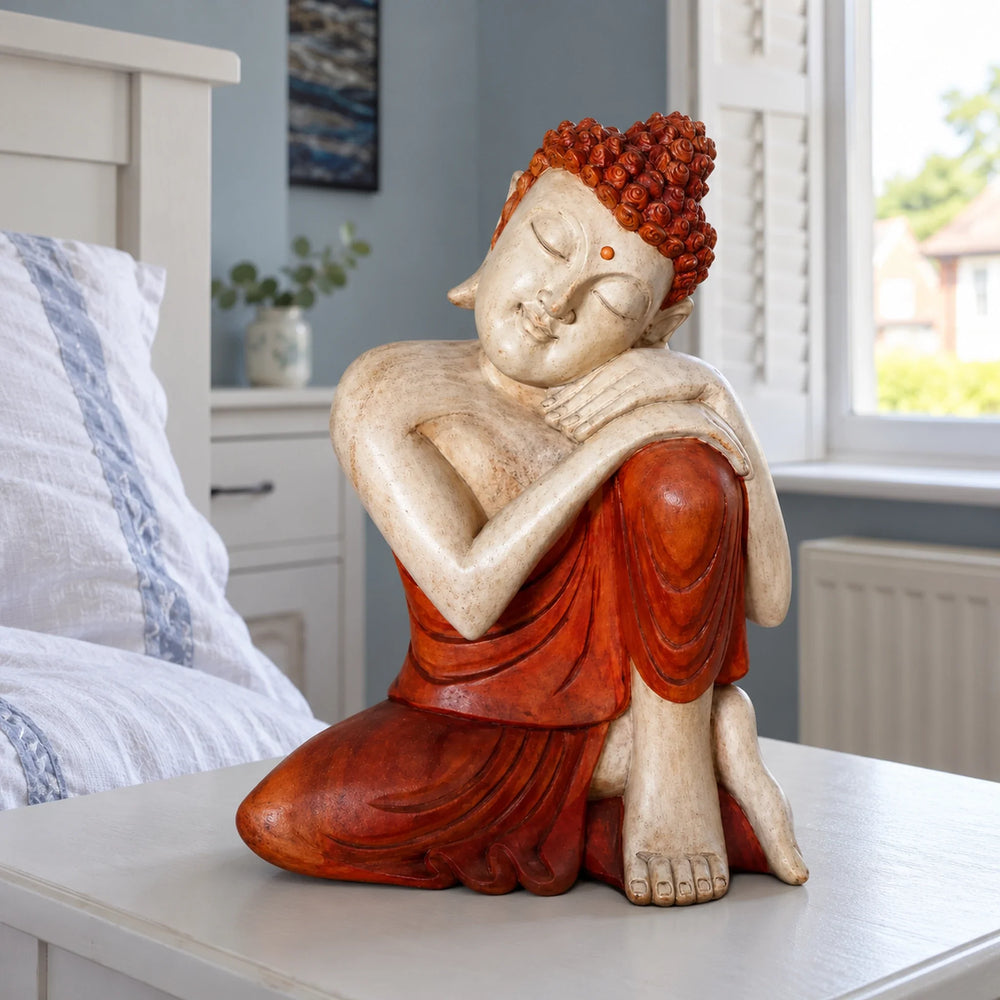
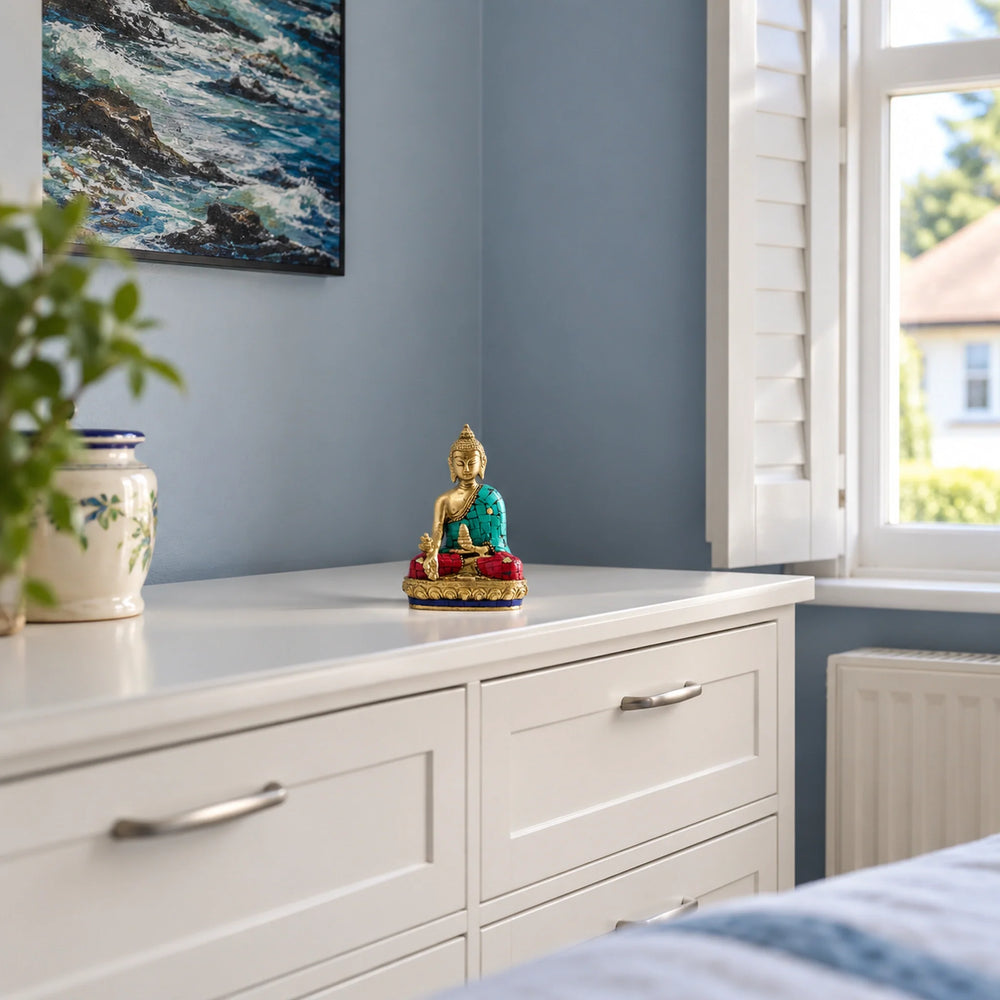
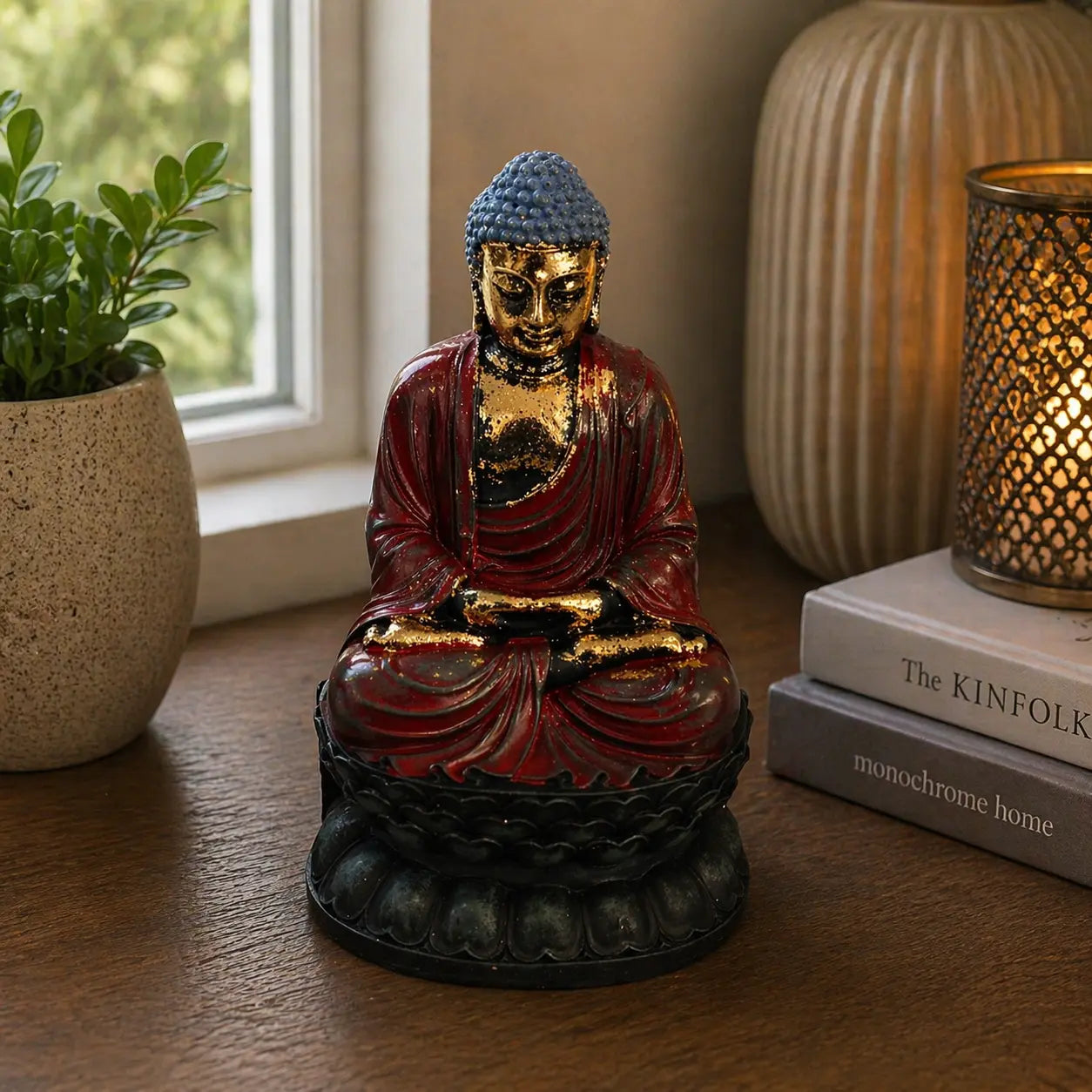
The Tranquility Buddha Head Statue in Green Copper is a particularly grounding piece for a meditation corner or desk, its weight and finish giving it a settled, unhurried quality that suits the spirit of acceptance practice. For something smaller, the Antique Small Buddha Figurines Classic Statue works well as a daily visual cue, a quiet prompt to pause, name, and breathe. These are not decorative afterthoughts; they are considered objects that make the intention to practise feel real and present in your space.
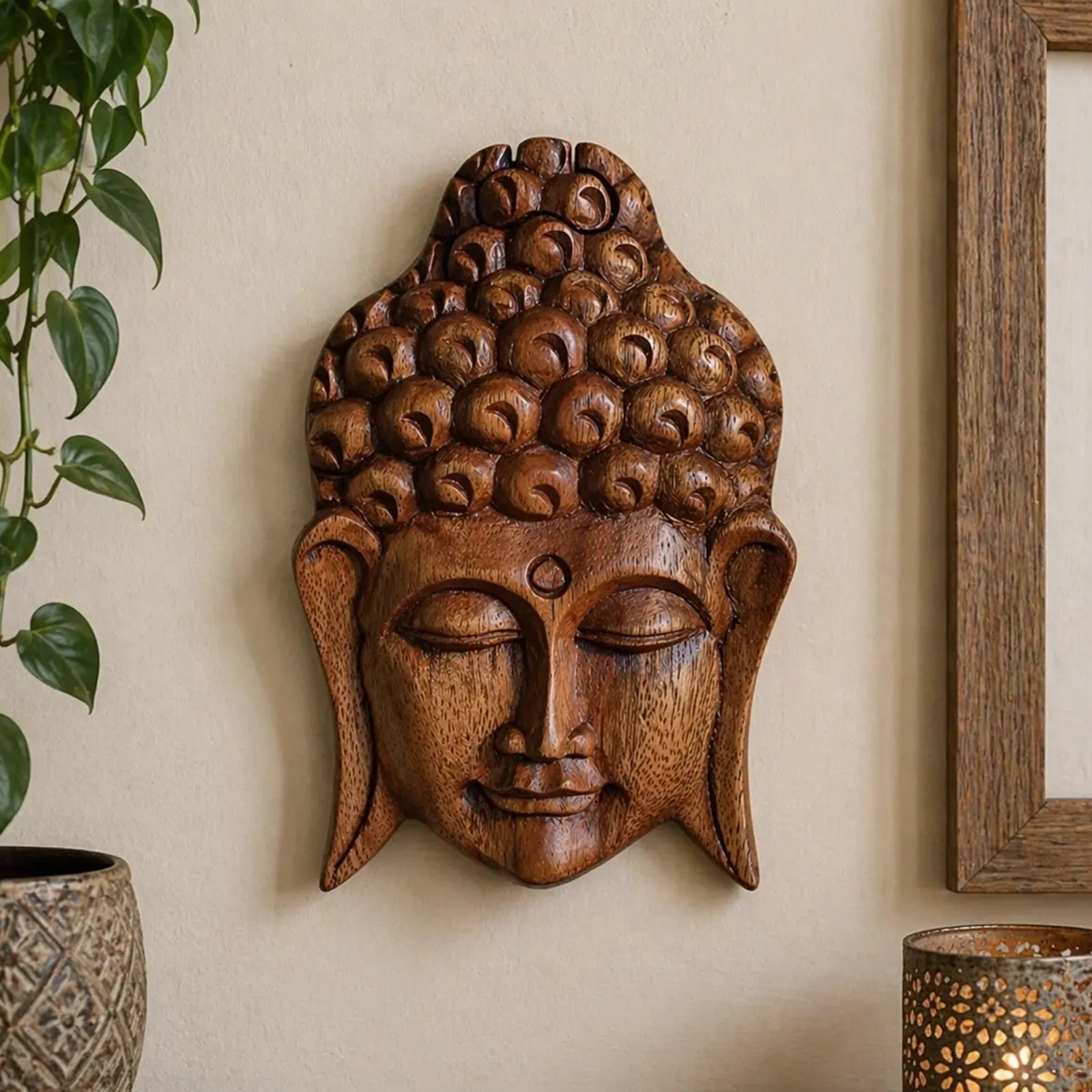
Browse the full collection at rootandstill.com and find the piece that feels right for your home.
FAQ
What is the best definition of acceptance in mindfulness?
Acceptance in mindfulness is the non-judgemental acknowledgement of present-moment experience, noticing what is here without immediately trying to change, suppress, or avoid it. It is not approval; it is simply allowing experience to be present while you choose how to respond.
What are the four stages of acceptance?
Definitions vary across traditions, but a widely used sequence moves from noticing the experience, naming it, allowing it to be present without struggle, and then choosing a values-aligned response. This maps closely to the “name it, breathe, allow” approach recommended in NHS-aligned guidance.
How do you practise acceptance in mindfulness?
Start with a simple naming exercise: notice whatever feeling or sensation is most present, name it quietly (“this is tension”), take one slow breath, and allow the sensation to remain without trying to fix it. NHS guidance recommends short, regular practices built into daily activities rather than long formal sessions.
What is the concept of acceptance in ACT?
In Acceptance and Commitment Therapy, acceptance means making room for painful feelings and allowing them to come and go without struggle, so that your energy can go towards living in line with your values. The aim is not to feel better immediately, but to act well regardless of how you feel.
When should I seek professional support for mindfulness practice?
If acceptance practice consistently brings up intense or persistent distress that does not settle between sessions, speak with your GP or a qualified therapist. The Mind guidance is clear that mindfulness is not suitable for everyone without support, and seeking help is a sign of good self-awareness, not failure.
Useful sources for further reading
- Mindfulness (Mind) - 2021
- Mindfulness - NHS
- Monitor and Acceptance Theory (MAT) — Lindsay & Creswell
- Acceptance lowers stress reactivity_ Dismantling mindfulness training in a randomized controlled trial
- Kober et al., 2019 — mindful acceptance down-regulates pain and negative emotion
- Psychological mechanisms driving stress resilience in mindfulness training: a randomized controlled trial
- Mindful acceptance handout (Epsom & St Helier NHS Trust)
- Mindfulness exercises and tips (Mind)
This article is general information, not professional medical or psychological advice. If you have concerns about your mental health, please consult your GP or a qualified practitioner.