Sacred objects at home are defined as physical items chosen and used with intention to anchor mindfulness, spiritual presence, and emotional balance within everyday living spaces. They are not merely decorative. A Buddha statue on a shelf, a singing bowl on a side table, or a candle lit each morning all serve the same core purpose: to interrupt the ordinary rhythm of the day and invite a moment of stillness. Small daily rituals of just 3–5 minutes with these objects can transform an ordinary room into a genuine sanctuary. That shift is not symbolic. It is felt.
How do sacred objects foster mindfulness and emotional balance at home?

Sacred objects function as visual and sensory cues that interrupt habitual, distracted thinking. When you see a familiar statue or hear the resonance of a singing bowl, your nervous system responds. The object signals a shift in attention, pulling you briefly out of the mental noise of the day and back into the present moment.
This mechanism works beyond formal meditation. You do not need a dedicated practice or a set routine. Objects placed in daily living areas serve as constant, subtle reminders that support ongoing awareness. A brass figure near the kitchen window, a scented candle on the bathroom shelf, or a small water feature in the hallway each carry this quiet influence throughout the day.
The sensory dimension matters enormously here. Lighting a candle engages sight and smell. Striking a singing bowl produces sound and vibration. Refreshing a water offering involves touch and intention. Each of these small acts draws the body and mind together, which is precisely what emotional regulation requires. The ritual does not need to be elaborate to be effective.
- Light a candle at the start of your morning and let it burn for a few minutes before you reach for your phone.
- Strike a Tibetan singing bowl once before a meal or a work call to reset your attention.
- Place fresh flowers or a small plant near a statue to bring a living, natural element into the space.
- Refresh a small bowl of water each morning as a simple, grounding offering.
Pro Tip: If you find it difficult to maintain a ritual, attach it to something you already do daily, such as making tea or sitting down at your desk. The object becomes a prompt, and the habit builds itself.
What are the essential types of sacred objects to start with?
Setting up a home sanctuary does not require a large budget or a dedicated room. Experts recommend starting with 3–5 foundational items, and existing heirlooms or meaningful personal objects count fully. The cost can be as low as nothing at all, depending on what you already hold dear.
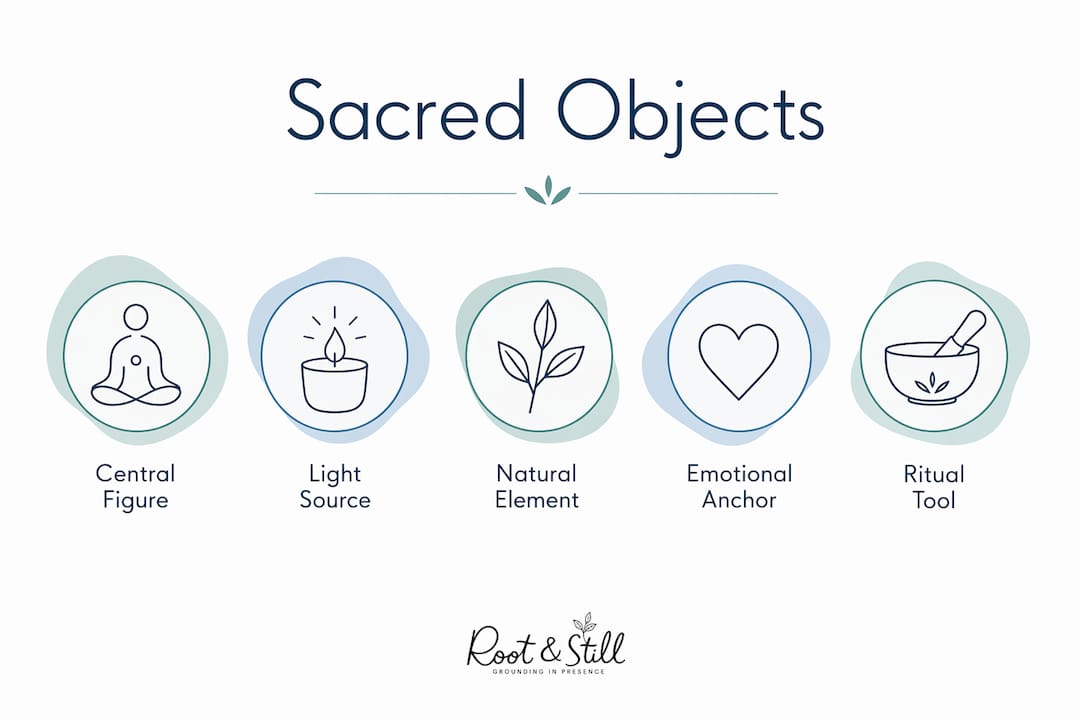
The three most grounding starting points are a central figure or icon, a source of light, and a natural element. A central figure gives the space a focal point and a symbolic presence. A light source, whether a candle, a diya, or a glow lamp, marks the space as intentional. A natural element, such as fresh greenery, flowers, or a stone, connects the space to the living world beyond your walls.

| Type of object | Purpose | Symbolic meaning |
|---|---|---|
| Statue or icon (e.g. Buddha figure) | Focal point for attention and devotion | Wisdom, compassion, stillness |
| Candle or brass diya | Marks the space as sacred and intentional | Light, clarity, the divine |
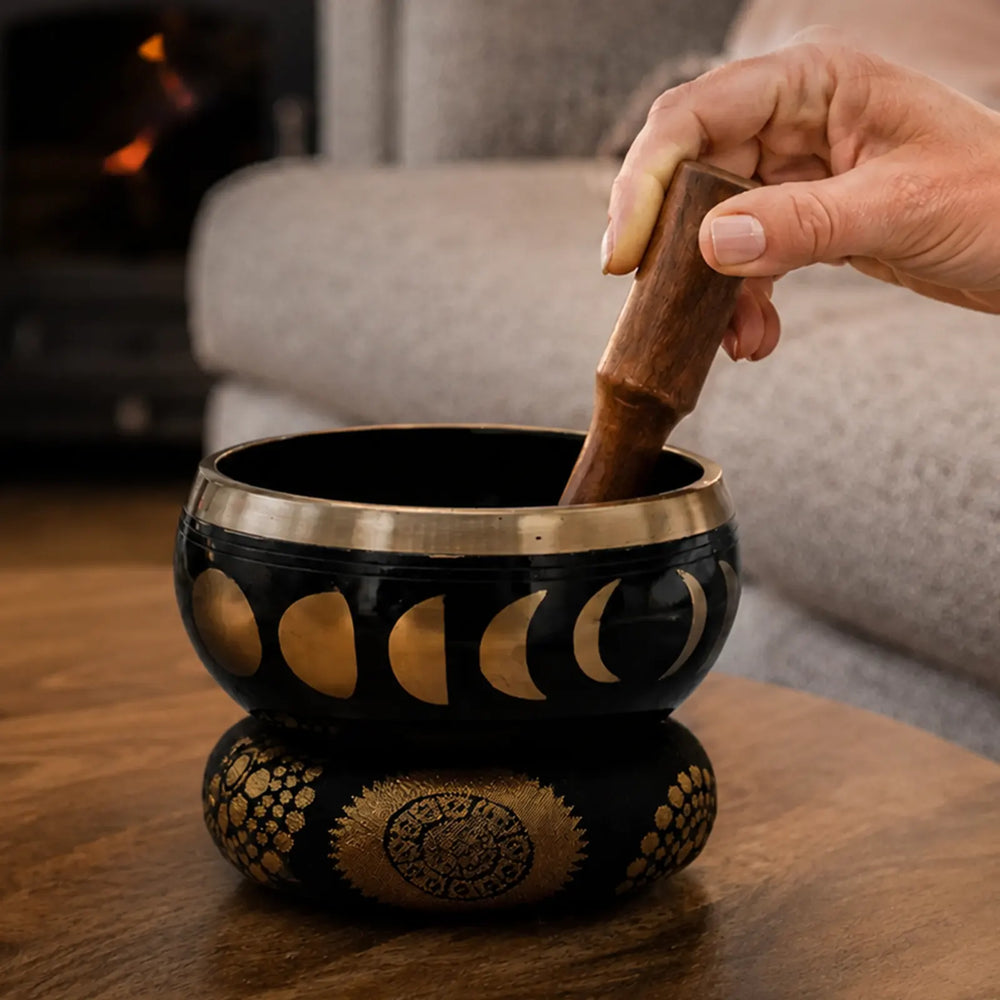
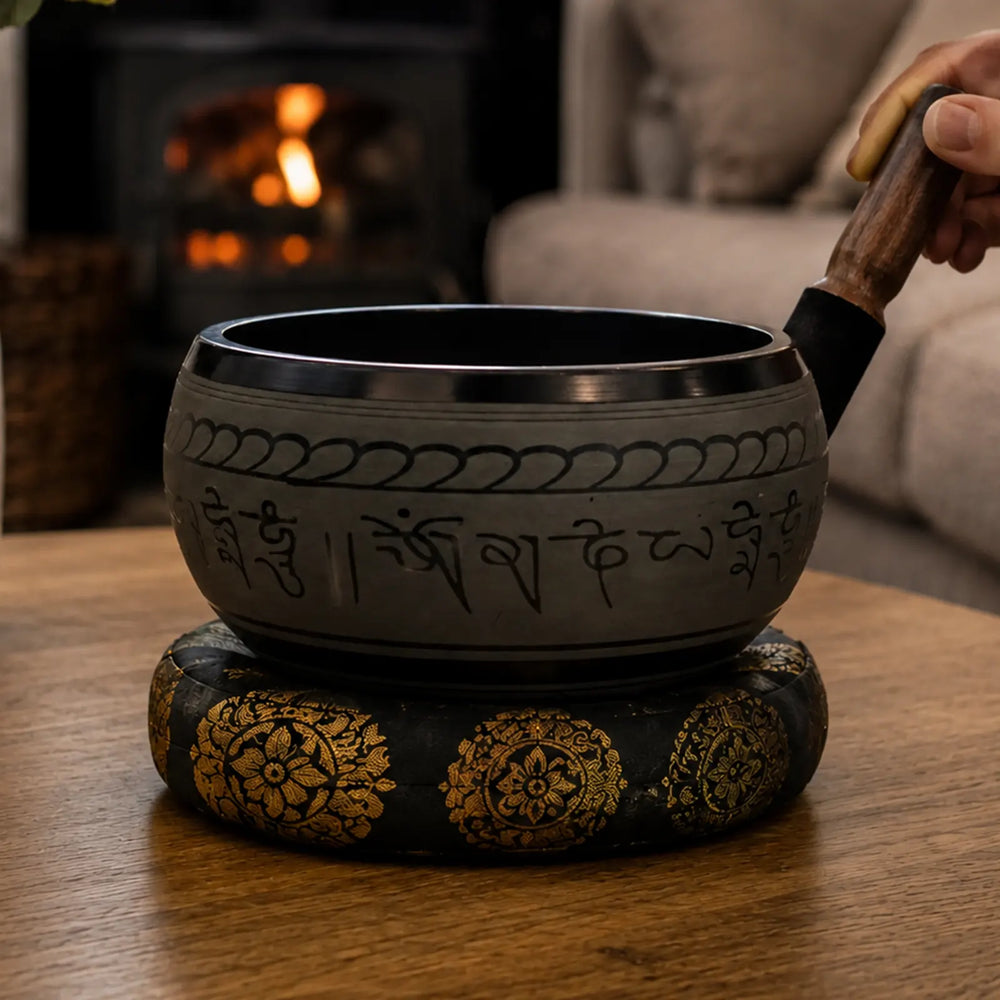
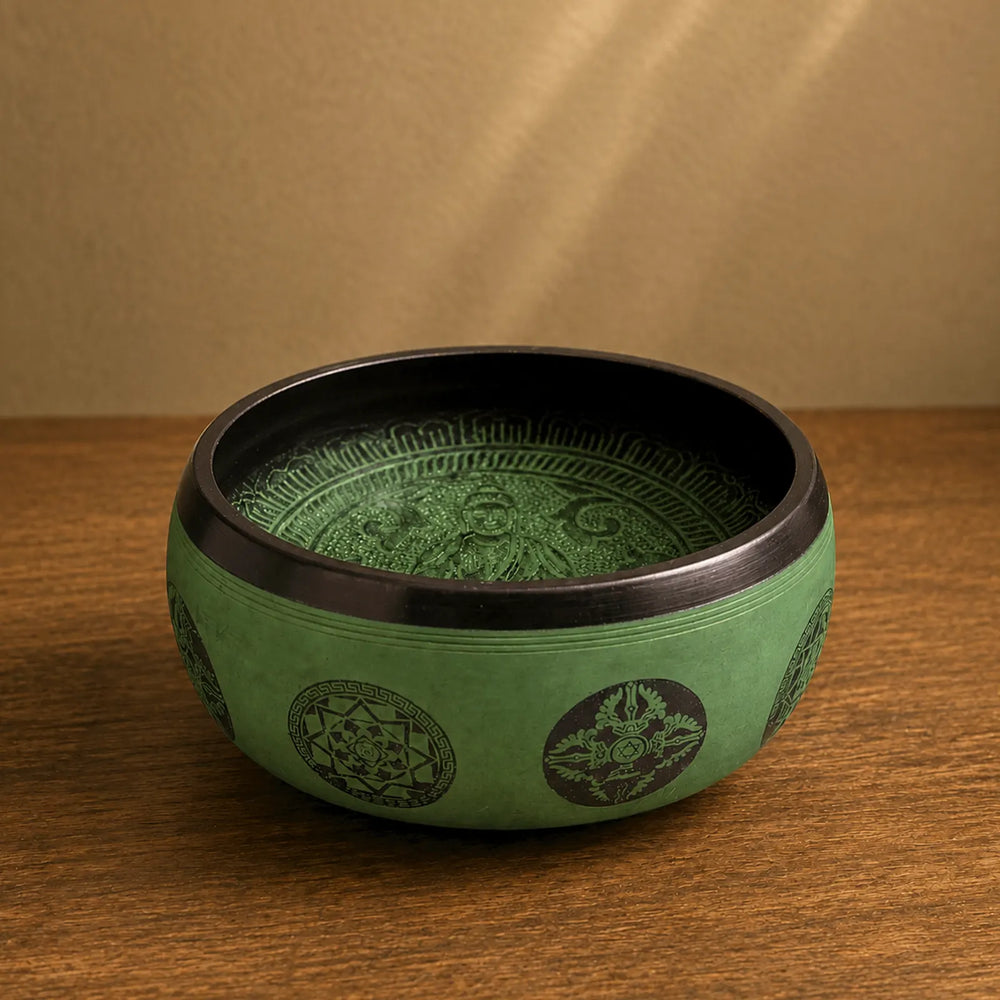
| Singing bowl | Auditory cue for mindfulness and ritual | Resonance, healing, presence |
| Natural element (flowers, stone, plant) | Grounds the space in the living world | Growth, impermanence, renewal |
| Organic textile (linen, cotton mat) | Softens the space and defines the altar area | Simplicity, care, rootedness |
Brass diyas, singing bowls, and organic mats blend naturally into living areas while supporting both ritual and emotional regulation. They do not demand a separate room or a particular faith. They ask only for a small, consistent act of attention.
Pro Tip: Before purchasing anything, walk through your home and notice what already feels meaningful. A grandmother’s rosary, a stone from a significant place, or a small figure received as a gift may already carry more sacred weight than anything new.
A useful starting checklist for a home sanctuary might include:
- One central figure or image that holds personal or spiritual meaning.
- One light source you can light and extinguish with intention.
- One natural element you refresh regularly.
- One textile, such as a linen cloth or woven mat, to define the space.
- One sound element, such as a small bell or bowl, for auditory grounding.
For guidance on which accent pieces work across different rooms, a room-by-room checklist can help you think beyond a single altar and consider the whole home.
How does personal meaning and ritual use affect the power of sacred objects?
Sacredness is not a property of the object itself. Sacred objects become powerful through ritualised use and personal meaning rather than through any inherent quality of the material. A mass-produced resin figure held and prayed over daily carries more spiritual weight than an antique bronze left untouched on a shelf. The interaction is what matters.
In Javanese household practice, objects require regular care including cleaning, offerings, and incense to maintain their spiritual energy. Without this care, they reduce to mere decoration. This is not superstition. It is a recognition that attention sustains meaning, and neglect dissolves it.
“Sacredness is culturally and individually constructed. Objects become holy through meaningful use and context, not through their material properties alone. The power derives from interaction, cultural context, and consistent intentional actions.”
This insight applies whether your practice is Buddhist, Catholic, animist, or entirely personal. The object is a vessel. You fill it through use. A hand-carved wooden Buddha that you dust each morning, place fresh flowers beside, and sit quietly with for a few minutes accumulates a quality of presence that a pristine, untouched piece simply cannot hold.
One common pitfall is chasing the perfectly curated altar seen in photographs online. Attempting to replicate an ideal aesthetic can actually hinder authentic practice. An organic, evolving space, one that grows with your life and reflects your actual experience, is far more alive than a styled arrangement that never changes. Let your sacred space be imperfect. Let it be yours.
How can sacred objects be integrated into modern home decor?
Intentional design does not require a dedicated prayer room or a traditional aesthetic. Modern sacred decor integrates traditional symbolism with contemporary interiors through material choices, placement, and sensory layering. A hand-carved wooden statue sits naturally on a mid-century sideboard. A singing bowl belongs on a linen-covered coffee table as much as it does on a formal altar.
Placement beyond a single dedicated corner is one of the most effective approaches. When spiritual objects appear in the spaces you actually inhabit, such as the living room, the bedroom, or even the kitchen, they do their work continuously. Objects placed in living areas interrupt daily consciousness and prompt awareness far more reliably than objects kept in a room you rarely enter.
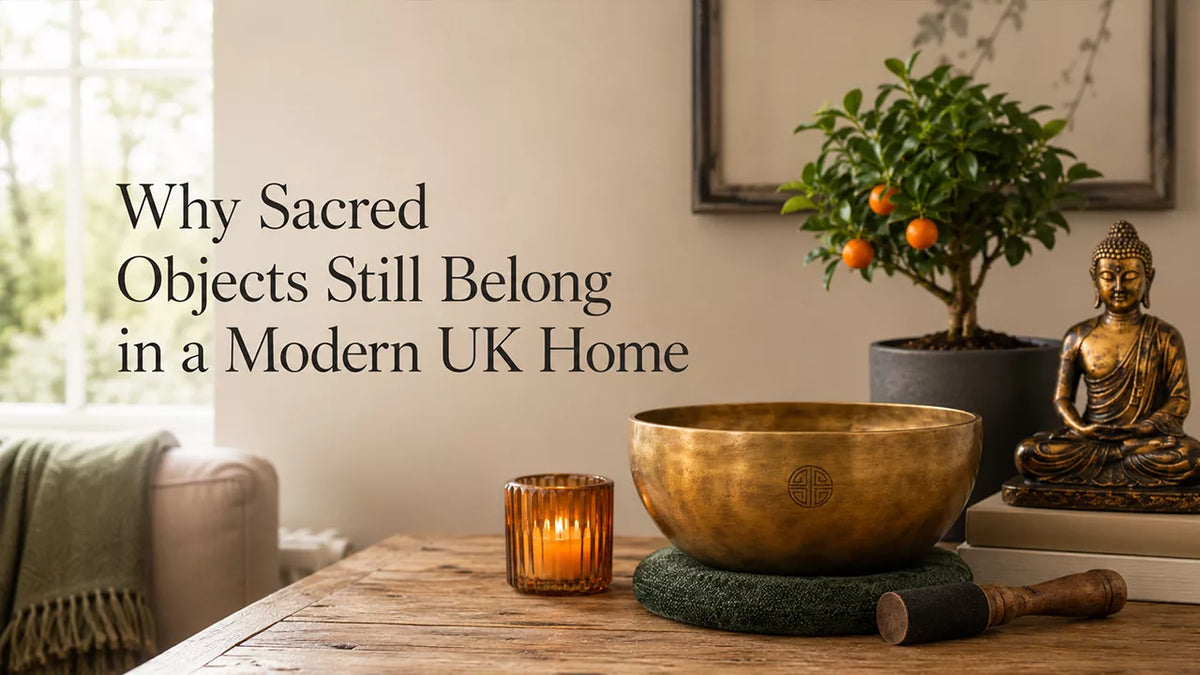
Organic materials are your greatest ally in this integration. Stone, wood, rattan, linen, and brass all carry a natural warmth that softens modern interiors without clashing. They feel grounded rather than decorative. A brass Buddha figure on a raw linen cloth, placed beside a small plant and a single candle, reads as both considered design and genuine spiritual presence.
- Keep the area around each object clear. Give it room to breathe so it draws the eye naturally.
- Limit the number of objects in any one spot. Three to five items hold more presence than a crowded collection.
- Use height variation: a statue at one level, a candle at another, a plant at a third. This creates a sense of depth and intention.
- Refresh the space regularly. Change the flowers, clean the surfaces, and reposition items occasionally. A living space feels different from a static display.
For more ideas on creating a calm meditation corner or choosing spiritual home decor that feels genuinely restful, Rootandstill’s guides offer practical, considered starting points.
Key takeaways
The role of sacred objects at home is to serve as tangible anchors for mindfulness and emotional balance, and their power grows through consistent ritual use, personal meaning, and thoughtful placement.
| Point | Details |
|---|---|
| Objects anchor mindfulness | Small daily rituals of 3–5 minutes with sacred items interrupt distraction and invite stillness. |
| Start with 3–5 foundational items | A central figure, a light source, and a natural element form a complete and grounded starting point. |
| Ritual use creates sacredness | Objects gain spiritual weight through consistent care and interaction, not through material value alone. |
| Placement shapes daily practice | Objects in living areas work continuously, not just during formal rituals or in dedicated rooms. |
| Organic evolution beats perfection | An authentic, evolving sacred space holds more presence than a curated arrangement that never changes. |
What I have learnt from living with sacred objects
by Dhriti
When I first placed a small Buddha figure on my windowsill, I thought I was making a design choice. It took several months before I understood what was actually happening. Every time I walked past it, something in me slowed down. Not dramatically. Just a breath’s worth of settling. That is the quiet power of these objects, and it is easy to underestimate.
What I have found, after years of living with sacred pieces in ordinary rooms, is that the objects that move me most are never the ones I bought to impress myself. They are the ones I have cared for. The singing bowl I strike each morning before I open my laptop. The small antique figure I dust on Sundays. These carry a quality that pristine, untouched objects simply do not.
My honest advice is to begin modestly and resist the urge to create a perfect space immediately. One meaningful object, tended with genuine attention, is worth more than a beautifully arranged altar you feel no real connection to. Let your practice be imperfect. Let it grow with you. The objects will hold whatever you bring to them.
— Dhriti
Sacred objects and home decor at Rootandstill
Rootandstill curates a collection of handmade Buddha statues, Tibetan singing bowls, and natural home accessories designed to support genuine mindfulness practice in everyday living spaces. Each piece is chosen for its material quality, symbolic resonance, and ability to settle quietly into a modern home without demanding attention. The antique Buddha figurines are particularly well suited to those beginning a home sanctuary, offering presence without weight. For those drawn to sound practice, the large Tree of Life singing bowl set brings both beauty and genuine ritual function. Browse the full collection at rootandstill.com to find pieces that feel right for your space.
FAQ
What is the role of sacred objects at home?
Sacred objects at home serve as mindfulness anchors that interrupt distracted thinking and invite moments of stillness. Their role extends beyond decoration to support emotional regulation and spiritual consistency throughout the day.
How do I start creating a sacred space at home?
Begin with 3–5 foundational items: a central figure, a light source, and a natural element such as fresh flowers or greenery. Existing heirlooms and personally meaningful objects count fully and require no additional cost.
Do sacred objects need to match a specific religion or tradition?
Sacredness is individually constructed and arises from meaningful use rather than religious affiliation. Any object held and tended with genuine intention can serve a sacred function in your home.
How often should I tend to my sacred objects?
Regular care, including cleaning, refreshing offerings, and occasional repositioning, sustains the spiritual energy of these objects. Neglect reduces them to decoration, while consistent attention deepens their presence.
Where in the home should I place spiritual objects?
Place them in the spaces you actually inhabit daily, such as the living room, bedroom, or kitchen, rather than in a dedicated room you rarely enter. Objects in everyday spaces work continuously as gentle reminders of presence.