

Asian design has a way of making a room feel genuinely still. Yet for many homeowners, finding the right examples of Asian inspired home decor to actually use in a real, lived-in space feels surprisingly difficult. Too many pieces and the room tips into themed restaurant territory. Too few and the intention gets lost entirely. This guide cuts through that uncertainty. You will find practical, grounded examples drawn from Japanese, Chinese, Balinese, and Japandi traditions, with clear guidance on materials, colour palettes, and the kind of quiet craftsmanship that gives these styles their lasting appeal.
Key takeaways
| Point | Details |
|---|---|
| Prioritise natural materials | Bamboo, stone, rattan, and raw wood are the foundation of every credible Asian inspired interior. |
| Low-profile furniture creates calm | Seating at 14 to 16 inches keeps rooms feeling open and visually restful without structural changes. |
| Less creates more presence | Every piece should serve a clear purpose; clutter works directly against the philosophy behind these styles. |
| Blend styles to stay liveable | Pairing Japanese textures with mid-century modern furniture makes Asian decor feel at home rather than staged. |
| Lighting shapes the mood | Diffused, warm light does more for atmosphere than almost any decorative object. |
1. The core features of authentic Asian inspired decor
Before exploring specific styles, it helps to understand what makes the best Asian home decor ideas feel grounded rather than superficial. The answer almost always comes back to materials. Bamboo, teak, walnut, stone, and silk are not just aesthetic choices. They carry texture, warmth, and a visible connection to the natural world that synthetic alternatives simply cannot replicate. Material intentionality and warmth are what separate genuinely considered Asian inspired interiors from those that merely borrow surface detail.
Colour matters just as much. Warm neutrals, muted greens, terracotta, and deep lacquer tones form the backbone of most Asian palettes. These shades are earthy and considered rather than bold for the sake of it. Jade, moss green, and warm ivory tend to hold a room together without competing for attention.
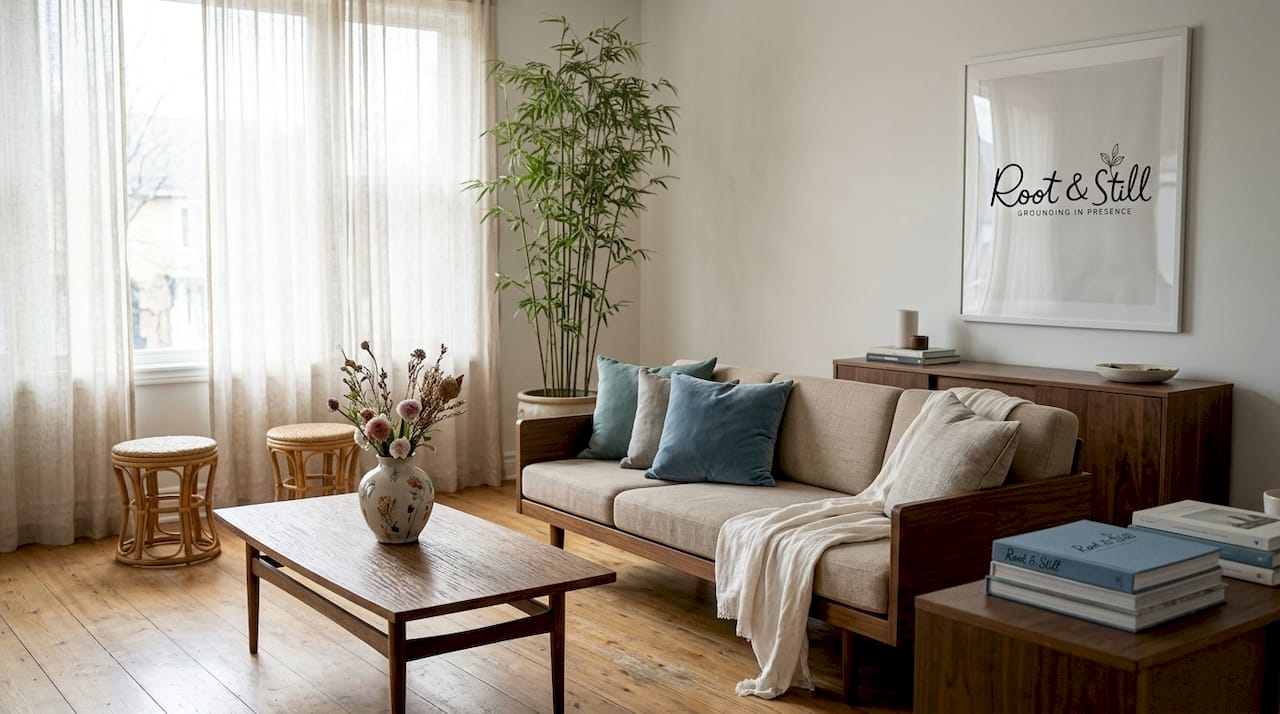
Feng Shui principles treat tabletop water features as mood-enhancing additions, and that instinct points to something broader: the best Asian inspired spaces acknowledge that a home is felt as much as it is seen. Plants, running water, natural light, and handmade objects all contribute to that felt quality. It is the combination of these elements, kept simple and spacious, that creates the restful atmosphere most people are actually looking for.
Pro Tip: Before buying a single new piece, assess your existing furniture for natural materials. A walnut sideboard or a linen sofa you already own may be the strongest foundation you have for an Asian inspired interior.
2. Japandi style: the most accessible fusion example
Japandi sits at the top of almost every list of top Asian-inspired home decor trends, and with good reason. It takes the wabi-sabi philosophy of Japanese design, with its appreciation for imperfection and honest materials, and pairs it with the functional warmth of Scandinavian hygge. The result is something that works particularly well in the kinds of compact, light-conscious homes common across the UK.
The colour palette leans on warm whites, soft greys, and natural wood tones, with charcoal and moss green used sparingly as accents. Nothing shouts. Everything coordinates without matching too perfectly. Japandi furniture keeps seat heights between 14 and 16 inches, which is noticeably lower than standard Western sofas, and this simple difference makes a room feel considerably more open.
Texture carries much of the visual interest in a Japandi space. Linen cushion covers, cotton canvas throws, and furniture with visible wood grain all contribute without adding clutter. Lighting is equally deliberate: diffused, warm lamps positioned at low to mid height replace harsh overhead fixtures. A single washi paper pendant or a clay-bodied table lamp does more atmospheric work than a ceiling spotlight ever could.
For textiles specifically, wellness-focused cushions and throws have seen consistent growth, reflecting how strongly consumers connect tactile comfort with a sense of calm at home. This is entirely in keeping with the Japandi approach, where you are meant to feel the quality of a space as much as see it.
3. Chinese decor elements and colour symbolism
Chinese traditional decor brings a richness and depth that sets it apart from the quieter end of Asian design. Where Japanese inspired interiors reach for stillness, traditional Chinese decor embraces symbolic weight and visual ceremony. Deep lacquer red carries associations with good fortune and vitality. Jade green represents harmony and balance. Gold, used thoughtfully, adds a warm ceremonial quality without tipping into excess.
The materials are equally considered. Lacquered furniture with carved detail, hardwood screens with lattice patterns, and fine porcelain create a layered, considered look. Red lanterns are perhaps the most recognisable Chinese decor element, but they work best when used as a single focal point rather than repeated across a room. Calligraphy scrolls and traditional ink paintings function similarly: one well-placed piece carries more meaning than a wall covered in prints.
The key to making Chinese decor elements feel liveable in a modern home is restraint in the background. A bold lacquer cabinet reads beautifully against an ivory or pale stone wall. Rich jade accessories sit well on natural wood surfaces. The contrast gives each piece room to breathe. Blending these elements with art-inspired home decor approaches lets you hold traditional symbolism and contemporary styling in the same space without either feeling out of place.
4. Balinese and Southeast Asian decor for a grounded, tropical feel
Balinese and broader Southeast Asian decor work differently from their East Asian counterparts. The palette shifts to terracotta, warm brown, deep teal, and the kind of saturated greenery that speaks directly of outdoor living. These styles are less concerned with restraint and more interested in layered organic texture.
Rattan furniture, raw wood, hand-carved stone sculptures, and woven textiles sit comfortably together in this tradition. The materials have visible imperfections and hand-worked qualities that feel genuine rather than manufactured. This connects back to the wabi-sabi instinct found in Japanese design, though the overall effect is warmer and more sensory.
Water features are central to Balinese style. A small stone fountain in a corner, or even a simple bowl of water with floating petals, creates the kind of quietly meditative atmosphere that many people associate with resort hotels. For homes with garden access, sliding doors and potted tropical plants extend this feel from inside to outside in a way that feels natural rather than contrived.
Pro Tip: One statement sculpture, whether a carved stone figure or a weathered wood panel, does the atmospheric heavy lifting in a Southeast Asian inspired room. Resist the urge to fill every surface. Let one anchoring piece set the tone and build texture around it carefully.
Lanterns are another practical element. A rattan or bamboo lantern hung at low height adds warmth in the evening without requiring any major changes to your existing lighting setup. These indoor garden decorations extend naturally into a Southeast Asian aesthetic when chosen with care.
5. How to decorate Asian style without over-theming
This is where many well-intentioned interiors go wrong. When you are learning how to decorate Asian style, the temptation is to commit visually in every corner. The result feels more like a set than a home. Overuse of thematic materials like bamboo makes a space feel prop-heavy rather than considered.
The more grounded approach is to start with a single room, choose two or three materials you genuinely love, and let those guide every other decision. A bamboo side table, a linen runner, and a single ceramic vase communicate the aesthetic clearly without announcing themselves. From there, you can layer carefully.
Natural materials do most of the work without any additional effort. Stone, wood, and woven textiles carry their own quiet presence. They do not need to be paired with culturally specific objects to create an Asian aesthetic sensibility. What they need is space and light. Every piece should serve a clear function and contribute to a sense of order rather than accumulation.
Pro Tip: Before adding a new piece, remove one item from the space first. This practice alone keeps rooms from drifting toward clutter, and it trains your eye to notice which objects genuinely add calm and which simply fill space.
6. Mixing Asian decor with Western furniture
One of the most practical insights for anyone working with Asian aesthetic home accessories in a typical UK home is this: you do not need to replace your existing furniture. Combining Japanese materials with mid-century modern or soft Western sofas often creates a more comfortable and less staged result than a room styled entirely in one tradition.
A clean-lined modern sofa in warm grey pairs naturally with a low walnut coffee table, a ceramic lamp, and a single piece of textile art. The sofa does not need to be Japanese in origin for the room to feel grounded in Asian design values. What matters is that the materials and proportions communicate the same philosophy of calm and restraint.
Asian textiles are particularly good at softening modern Western interiors without demanding a complete restyling. A hand-woven cushion, a silk throw, or even a simple calligraphy print can shift the mood of a room perceptibly. Exploring eclectic living room decor that draws from multiple traditions gives you the flexibility to be authentic to your own taste while staying true to the quieter sensibility at the heart of Asian design.
Plants complete the picture. A fiddle-leaf fig, a bamboo palm, or a simple arrangement of dried pampas grass introduces the natural world into the room in a way that feels easy and immediate. These elements carry no cultural weight, yet they shift the atmosphere more reliably than almost anything else.
My perspective on what actually makes these spaces work
When I look at the spaces people find most genuinely restful, whether Japanese inspired interiors or a Balinese influenced corner of a London flat, the common thread is almost never the objects. It is the quality of light, the breathing room between things, and the sense that whoever lives there made considered choices.
I have found that most people underestimate how much lighting transforms a space. Swap one overhead ceiling light for two low lamps, and an ordinary room shifts into something that feels settled. This costs almost nothing and requires no particular knowledge of Asian design traditions.
What I think gets lost in most guides on this subject is the role of craftsmanship. A handmade ceramic bowl carries a different quality of presence than a machine-pressed replica. You can feel the difference before you even consciously register it. The haptic qualities of objects are not a secondary concern in Asian inspired design. They are central to why these spaces feel the way they do.
I would also push back gently on the idea that authenticity means cultural fidelity above all else. The most liveable examples of Asian inspired home decor I have come across are the ones where the owner understood the philosophy well enough to interpret it through their own life. A single beautifully chosen object, given the right light and the right amount of space, will always do more than a room full of correctly sourced pieces arranged without feeling. Start there.
— Dhriti
Bring these ideas to life with Rootandstill
If these examples have pointed you toward a clearer idea of the kind of space you want to create, Rootandstill offers a considered range of pieces that sit at the heart of these traditions. The standing Buddha statue brings a serene, grounding presence to living rooms, gardens, and entryways, functioning as both a sculptural focal point and a genuinely calming object. For lighting, the meditation Buddha lamp with its lavender crackle finish captures the diffused, warm quality that Japandi and Japanese inspired spaces rely on. Every piece at Rootandstill is chosen because it earns its place in a quiet, intentional home. For more ideas on calm, wellness-focused styling, explore yoga room inspiration that shares much of the same philosophy.
FAQ
What are the main examples of Asian inspired home decor?
Key examples include low-profile furniture in walnut or teak, bamboo accents, ceramic vases, paper or clay lanterns, woven textiles, stone water features, and handmade sculptural objects. Each element should contribute to a sense of calm and spatial openness rather than surface decoration.
How do I start decorating in an Asian style without overdoing it?
Begin with two or three natural materials you are genuinely drawn to, such as linen, rattan, or raw wood, and use them consistently across a single room. One statement piece, supported by restrained accents, communicates the aesthetic far more clearly than a fully themed space.
What is the difference between Japanese and Chinese decor elements?
Japanese inspired interiors tend toward minimalism, natural imperfection, and muted tones, while Chinese decor elements embrace symbolic colour, lacquered surfaces, carved detail, and ceremonial richness. Both can work in a modern home when approached with restraint and a considered colour palette.
Can I mix Asian inspired pieces with my existing Western furniture?
Yes, and this often produces the most liveable results. Blending styles like Japanese materials with mid-century modern or neutral contemporary sofas creates spaces that feel grounded and comfortable rather than staged or overly themed.
What is Zen garden decor and how does it work indoors?
Zen garden decor draws on Japanese design principles of simplicity, natural materials, and contemplative space. Indoors, this translates to stone or sand trays, small raked gravel features, moss arrangements, and the kind of still, uncluttered corners that give the eye a place to rest.


