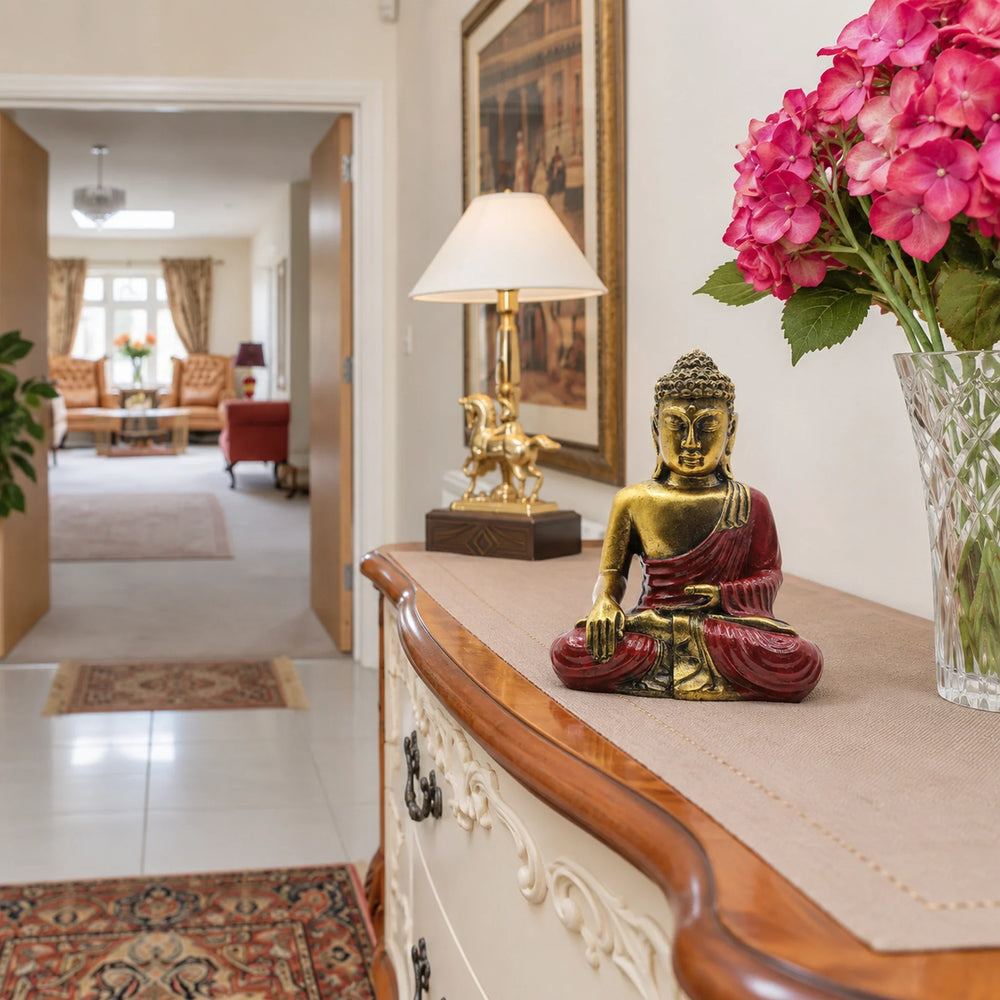
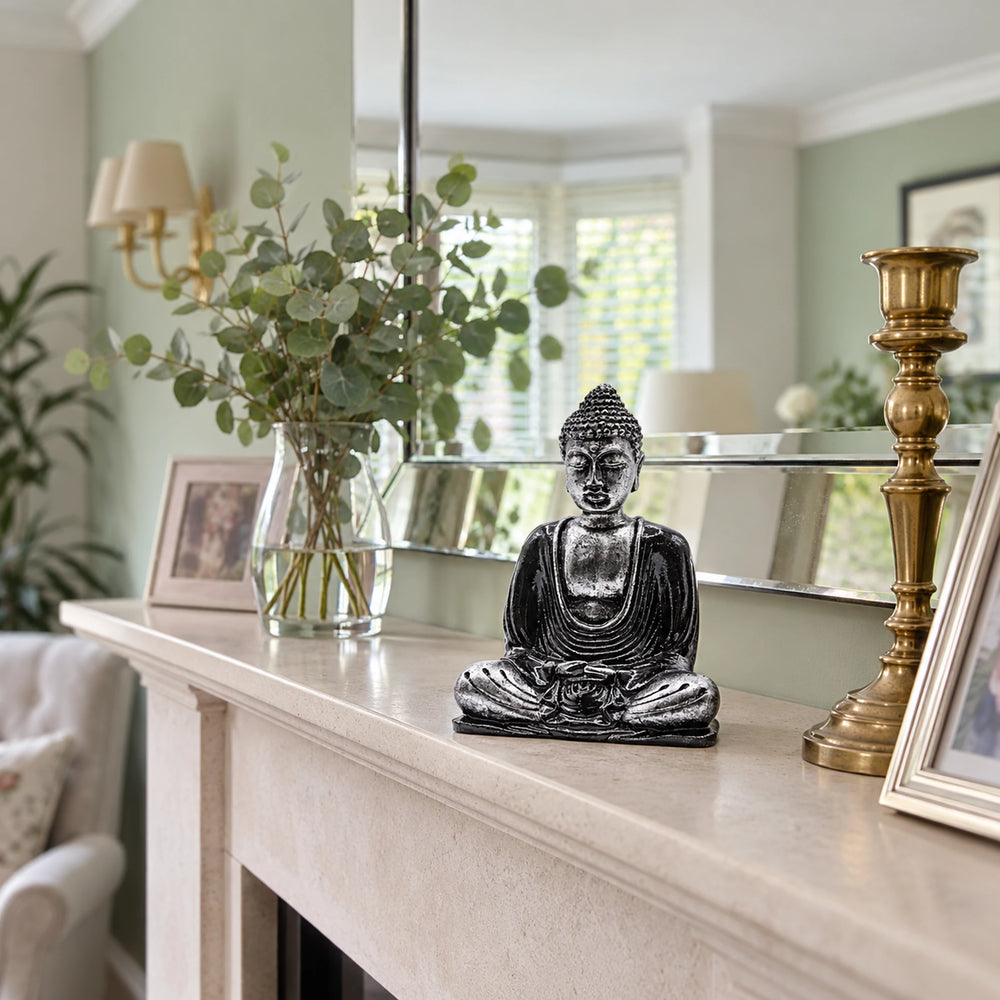
Decorative figurines are small, detailed objects, typically under 12 inches, designed to bring character, symbolism, and a sense of calm to your living space. Unlike sculptures, which are created to express an idea and often act as bold visual focal points, figurines celebrate a subject. They represent something specific, whether a spiritual figure, an animal, or an abstract form, and they sit comfortably on shelves, mantels, and side tables rather than commanding an entire room.
What are the main types of decorative figurines?
Understanding the range of decorative figurine styles helps you choose pieces that genuinely resonate with your home’s atmosphere rather than simply filling a shelf. The broadest categories are:
- Resin figurines: Affordable, durable, and highly detailed. Resin is a widely used material in the decorative figurine market, covering a broad range of designs from animal miniatures to abstract spiritual forms.
- Wooden figurines: Warm, tactile, and grounding. Wood is a popular material among decorative sculptures, with hand-carved Buddha statues being notable examples of this category.
- Porcelain and ceramic figurines: Refined and elegant. Porcelain, made from selected white clays, carries a sense of sophistication, while ceramic pieces offer a simpler, earthier quality.
- Metal figurines: Sleek and enduring. Brass, copper, silver, and steel are all used, with brass Buddha figures particularly popular for their warm lustre and spiritual resonance.
- Stone figurines: Timeless and grounded. Marble, sandstone, and polystone pieces suit both indoor and garden settings.
- Glass figurines: Light and airy, adding a delicate, translucent quality to any surface.
- Buddha statues: A category in their own right, spanning all the materials above, and carrying layered spiritual meaning through posture and hand gesture.
Which figurine styles suit a tranquil, mindful home?
Resin figurines
Resin’s versatility makes it the most widely used material in decorative figurines. It can mimic stone, wood, or metal at a fraction of the cost, and the detail achievable is genuinely impressive. For mindful spaces, resin Buddha statues and meditation figures work well because they hold their form and colour over time without requiring much care.
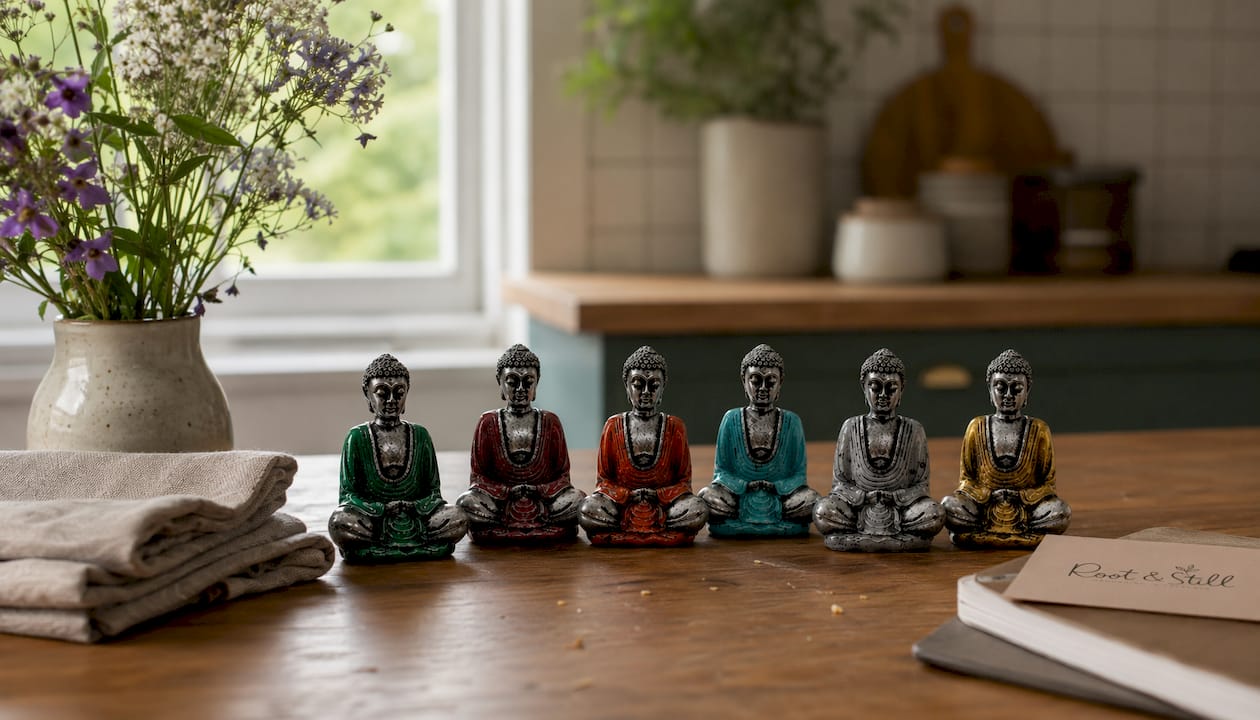
Shop Now: Resin Silver Mini Buddha Statue (Assorted Colours)
Hand-carved wooden Buddha statues
Wood carries a natural warmth that few other materials match. The grain, the weight, the slight irregularities of a hand-carved piece all contribute to a sense of authenticity. Rootandstill’s hand-carved wooden Buddha statues are crafted to feel settled and present in a room rather than decorative in a superficial sense.
Porcelain and ceramic figurines
Porcelain figurines have long been associated with refinement. Their smooth, luminous finish suits traditional and contemporary interiors equally, and they often depict spiritual or classical subjects with quiet elegance. Ceramic pieces, made from ordinary clay with a pleasant roughness, feel more organic and unpretentious.
Brass Buddha figures
Metal figurines, including brass, offer a sleek, durable quality that suits both classical and Art Nouveau-inspired interiors. Brass Buddha figures develop a gentle patina over time, which only deepens their character. They carry a grounded, enduring presence that works particularly well in studies and living rooms.
Animal miniatures
Owls, elephants, and birds are among the most popular animal figurines, each carrying symbolic weight. An elephant with its trunk raised is traditionally associated with attracting good fortune. Owl figures represent wisdom, while birds evoke freedom and lightness. These pieces layer meaning into a space without demanding attention.
Abstract and folk art figurines
Abstract figurines suit minimalist and contemporary interiors, introducing form and texture without literal representation. Folk art pieces, handcrafted with regional motifs, bring cultural warmth and a sense of story to a room.
What do Buddha statue mudras and postures mean?
Each Buddha statue communicates a specific spiritual quality through its posture and hand gesture. The posture reflects the Buddha’s inner state; the mudra names what he is actively offering. Knowing this helps you choose a figure whose meaning genuinely aligns with your intention.
- Meditating Buddha (Dhyana mudra): Both hands resting in the lap, palms facing upward. Conveys deep inner stillness. Best placed in a meditation room, yoga space, or altar.
- Earth-Touching Buddha (Bhumisparsha mudra): Right hand reaching to touch the earth. Represents the moment of enlightenment. Suits a living room, study, or entryway.
- Protection Buddha (Abhaya mudra): Right hand raised with palm facing outward. Offers fearlessness and reassurance. Ideal for an entryway or home office.
- Teaching Buddha (Dharmachakra mudra): Both hands at the chest, fingers forming a wheel gesture. Represents the active transmission of wisdom. Suits a study or library.
- Reclining Buddha: Lying on the right side, head supported by the right hand. Represents the Buddha’s final entry into parinirvana. Best suited to a bedroom or contemplative space.
One distinction worth holding clearly: the round, cheerful Laughing Buddha figure is not Siddhartha Gautama. That figure is Budai, a Chinese folkloric monk associated with contentment and abundance. He belongs to Chinese folk tradition rather than Buddhist teaching, and his presence in a home carries different cultural associations entirely.
For a deeper look at Buddha statue symbolism, Rootandstill’s blog covers the meanings behind poses, materials, and colours in detail.
Pro Tip: When choosing a Buddha statue as a gift, the Meditating Buddha (Dhyana mudra) is almost universally well-received. Avoid the Reclining Buddha as a gift, as several Buddhist traditions associate it with the moment of passing.
What materials are used in decorative figurines?
Material choice shapes how a figurine feels in a room, how long it lasts, and what it communicates.
- Resin: Lightweight, detailed, and weather-resistant. Suits most interior styles.
- Wood: Warm, natural, and tactile. Hand-carved pieces carry an authenticity that mass-produced items cannot replicate.
- Porcelain: Refined and luminous. Requires careful handling but rewards you with lasting elegance.
- Ceramic: Earthy and approachable. Chamotte clay produces a pleasant surface texture that suits organic interiors.
- Brass and metal: Durable and characterful. Brass develops a patina; steel and copper suit modern and classical settings respectively.
- Stone and polystone: Grounded and timeless. Polystone, sometimes combined with fabric or glass accents, offers the weight and feel of natural stone at a lighter cost.
- Glass: Delicate and light-reflecting. Best displayed where it can catch natural light.
Handcrafted wooden and brass pieces carry an additional layer of meaning because the maker’s hand is present in the object. That quality is difficult to replicate and worth seeking out when you want a figurine to feel genuinely anchored in a space rather than simply placed there. For outdoor settings, weather-resistant materials like treated resin or stone are the practical choice, and pairing them with durable outdoor storage helps protect accessories between seasons.
How do you place figurines to create a calm, mindful space?
Placement shapes the mood a figurine creates as much as the object itself.
- Entryway: A Protection Buddha or a grounded stone figure sets a welcoming, settled tone as you enter.
- Living room: Earth-Touching or Teaching Buddha figures work well on a console or low shelf, giving the room a quiet focal point without dominating it.
- Meditation room or yoga space: A Meditating Buddha on a low altar or cushion platform feels most natural here.
- Bedroom: Wooden or resin figurines with calm, restful postures soften the mood. Avoid the Reclining Buddha if you are sensitive to its associations.
- Study or library: A Teaching Buddha or an owl figurine adds a sense of considered purpose.
- Garden: Stone or treated resin Garden Buddha statues anchor an outdoor space and give it room to breathe through the seasons.
Combining figurines with complementary elements, such as a Tibetan singing bowl, a scented candle, or a small water feature, deepens the sense of intention in a space. Keep groupings odd-numbered and give each piece enough space to feel present rather than crowded.
Ethical sourcing matters when choosing spiritual figurines. In Thai, Cambodian, and several Southeast Asian Buddhist traditions, a severed Buddha head carries strongly negative associations. A complete figure, whether seated, standing, or reclining, is the more culturally considered choice.
For practical guidance on gifting Buddha statues and creating mindful spaces, Rootandstill’s blog offers thoughtful, specific advice.
Rootandstill’s handmade Buddha statues and spiritual accessories
Rootandstill brings together handmade spiritual decor designed specifically for creating serene, intentional home environments. Every piece blends traditional craftsmanship with a calm, contemporary aesthetic that suits modern UK homes without feeling out of place.
The collection includes:
- Garden Buddha Statues: Weather-resistant pieces that anchor outdoor spaces with quiet presence.
- Hand Carved Wooden Buddha Statues: Each one shaped by hand, carrying the warmth and individuality that only crafted wood can offer.
- Brass Buddha Figures: Warm, enduring, and rich in detail, suited to living rooms and studies.
- Tibetan Singing and Healing Bowls: Used in meditation and sound healing, these bowls deepen the sensory quality of a mindful space.
- Resin Buddha Statues, Buddha Oil Burners, Incense Plates, and Glow Lamps: Smaller accessories that layer atmosphere without overwhelming a room.
Rootandstill’s products are designed not just for aesthetic appeal but to enhance tranquillity, making them distinct from generic decor brands. Customer testimonials consistently highlight a noticeable calming effect in their homes after introducing these pieces.
What sets Rootandstill apart is the deliberate attention to spiritual symbolism alongside material quality. Pieces are ethically sourced, authentically crafted, and chosen to support mindful living rather than simply fill a space. Explore the full range and read about Buddha statue meanings and origins on the Rootandstill blog.
Rootandstill: handmade spiritual decor for your home
If you are looking for figurines that carry genuine spiritual meaning rather than surface-level decoration, Rootandstill offers something most home decor brands do not: handmade pieces crafted with both beauty and intention. From a silver mini Buddha statue for a bedside table to a full brass figure for a living room, every piece is chosen to help your home feel more settled and at ease. Browse the full collection at rootandstill.com and find the piece that belongs in your space.
Key takeaways
Decorative figurines under 12 inches differ from sculptures in purpose and scale, with Buddha statues offering the deepest spiritual meaning through specific mudras and postures suited to each room.
| Point | Details |
|---|---|
| Figurines vs sculptures | Figurines, typically under 12 inches, celebrate a subject; sculptures express an idea and act as visual focal points. |
| Most popular material | Resin is the most widely used material in decorative figurines, valued for affordability and detail. |
| Buddha mudras matter | Each mudra conveys a specific quality: Dhyana for meditation spaces, Abhaya for entryways, Bhumisparsha for living rooms. |
| Ethical sourcing | Complete Buddha figures are the more culturally considered choice; severed heads carry negative associations in several Southeast Asian traditions. |
| Rootandstill | Offers handmade Buddha statues, brass figures, and Tibetan singing bowls designed to create genuinely tranquil home environments. |
FAQ
What is the difference between a figurine and a sculpture?
Figurines are typically under 12 inches and represent a specific subject, such as an animal or spiritual figure, while sculptures are larger, more abstract, and designed to make a visual statement in a space.
Which Buddha statue is best for a meditation room?
The Meditating Buddha, displaying the Dhyana mudra with both hands resting in the lap, is the most appropriate choice for a meditation room or yoga space, as it conveys deep inner stillness.
Is the Laughing Buddha the same as the historical Buddha?
No. The Laughing Buddha is Budai, a Chinese folkloric monk associated with contentment and abundance, entirely separate from Siddhartha Gautama, the historical Buddha of Buddhist teaching.
What material is best for a Buddha statue in a UK home?
Hand-carved wood and brass are both excellent choices: wood brings natural warmth and texture, while brass develops a rich patina over time. Resin suits those who want durability and affordability without sacrificing detail.
Where should I place a Buddha statue in my home?
Placement depends on the mudra: a Protection Buddha suits an entryway, a Teaching Buddha works well in a study, and a Meditating Buddha belongs in a quiet corner or dedicated meditation space.