In our fast-paced world, where everything moves at lightning speed and our to-do lists seem never-ending, there's something deeply appealing about the concept of slow living. It's a philosophy that encourages us to pause, breathe, and intentionally design our lives around what truly matters. And it all starts at home.
Your home is your sanctuary, your refuge from the chaos of the outside world. Yet, for many of us, our living spaces have become extensions of our hectic lifestyles—cluttered, chaotic, and filled with constant reminders of tasks left undone. But what if your home could be different? What if, instead of adding to your stress, your space could actually help you slow down, breathe deeper, and live more intentionally?
This is where slow living home decor comes in. It's not about having the most expensive furniture or the trendiest design elements. Rather, it's about creating an environment that supports a calmer, more mindful way of living. Whether you're in the UK or anywhere else in the world, the principles of slow living can transform your home into a peaceful haven that encourages you to pause and appreciate the present moment.
In this comprehensive guide, we'll explore eight simple yet powerful ways to make your space feel less rushed. We'll delve into practical strategies, design principles, and mindful approaches that you can implement immediately. By the end, you'll have a clear roadmap for transforming your home into a sanctuary of calm and intentionality.
Understanding Slow Living and Why It Matters
Before we dive into the practical ways to implement slow living in your home, let's take a moment to understand what slow living actually means and why it's become increasingly important in our modern world.
Slow living is a lifestyle philosophy that emphasizes quality over quantity, presence over productivity, and intention over impulse. It's about making conscious choices about how you spend your time, energy, and resources. Rather than rushing through life on autopilot, slow living invites you to be fully present in each moment, to savor experiences, and to build a life that aligns with your values.
The slow living movement gained momentum as a counterbalance to our culture of constant busyness. We've been conditioned to believe that more is better, that staying busy equals success, and that rest is a luxury we can't afford. But research increasingly shows us that this approach is unsustainable and detrimental to our wellbeing. Stress-related illnesses are at an all-time high, anxiety and depression are widespread, and many of us feel disconnected from ourselves and those we love.
Your home plays a crucial role in supporting a slower, more intentional lifestyle. The spaces we inhabit directly influence our mental state, our stress levels, and our ability to be present. A cluttered, chaotic home creates mental clutter and perpetuates a sense of rushing. Conversely, a calm, intentional space supports relaxation, mindfulness, and genuine connection.
This is why slow living home decor has become so popular, particularly in the UK and other developed nations where the pace of life can feel overwhelming. It's not a luxury or an indulgence—it's a necessary investment in your mental health and overall wellbeing.
1. Declutter with Intention and Purpose
The first step toward creating a slower, less rushed home is to declutter. But this isn't about minimalism for minimalism's sake. Rather, it's about being intentional about what you keep and what you let go of.
Clutter is more than just physical mess. It's a constant source of low-level stress that keeps your nervous system activated. Every item you see that doesn't belong or that you don't love sends a subtle signal to your brain that there's something unfinished, something that needs attention. Over time, this accumulates into a pervasive sense of overwhelm.
Start by choosing one area of your home—perhaps a bedroom, a corner of your living room, or a single shelf. Rather than trying to declutter your entire home at once, which can feel overwhelming, focus on one small space. As you go through each item, ask yourself: Do I love this? Does it serve a purpose in my life right now? Does it align with how I want to live?
The key is to be honest with yourself. That decorative item you've been holding onto because it was a gift? If it doesn't bring you joy or serve a purpose, it's okay to let it go. Those clothes in your wardrobe that you haven't worn in years? They're taking up physical and mental space.
As you declutter, you'll likely notice a shift in how you feel. The space will feel lighter, more open, and more peaceful. This is the foundation upon which you'll build your slow living home.
2. Embrace Natural Materials and Textures
Once you've cleared away the excess, it's time to thoughtfully fill your space with items that support slow living. One of the most effective ways to create a calming home environment is to incorporate natural materials and textures.
Natural materials—wood, stone, clay, cotton, linen, wool—have an inherent quality that synthetic materials simply can't replicate. They connect us to the natural world, even when we're indoors. They age beautifully, developing character and patina over time, which reinforces the slow living philosophy of valuing longevity and quality.
Consider introducing natural materials through various elements in your home. Wooden furniture with visible grain and knots tells a story. Stone or clay decorative pieces bring an earthy, grounding quality. Natural fiber rugs, cushions, and throws add warmth and texture. Even something as simple as displaying branches in a vase or incorporating potted plants can bring the calming influence of nature indoors.
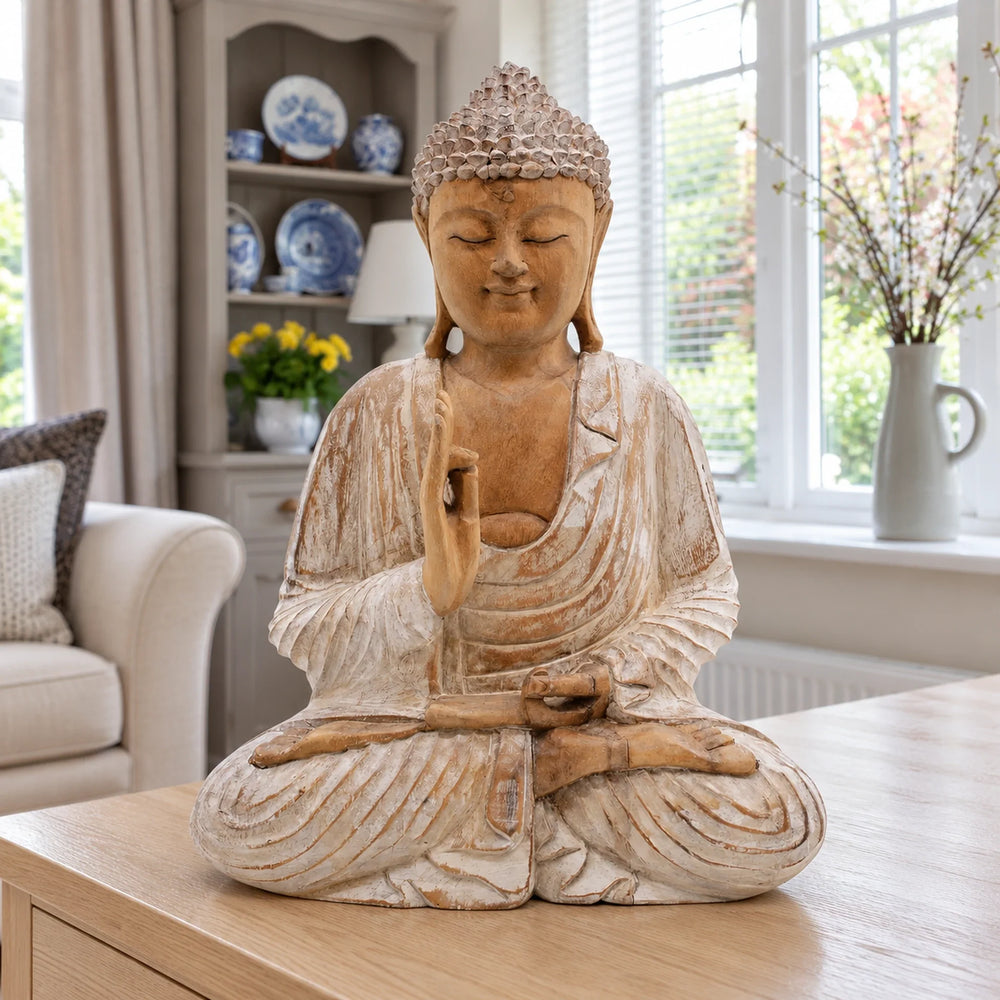
Handcrafted pieces are particularly valuable in slow living home decor. When you choose items that have been made by hand, you're supporting artisans, you're bringing unique, one-of-a-kind pieces into your home, and you're connecting with the slow, intentional process of creation. Handcrafted Buddha statues, for instance, carry the intention and care of the artisan who created them. Each piece is unique, with its own character and presence.
The texture of natural materials also encourages a slower pace of living. When you touch a piece of rough wood or smooth stone, you're naturally drawn to pause and be present. These tactile experiences ground us in the moment and create a sensory richness that supports mindfulness.
3. Create Dedicated Spaces for Calm and Reflection
In a slow living home, different spaces serve different purposes, and this clarity helps reduce the sense of rushing. Rather than having your entire home be a multipurpose blur, consider creating dedicated spaces for specific activities and states of being.
A meditation corner, even if it's just a small nook in your bedroom, can become a sanctuary for calm and reflection. This doesn't need to be elaborate. A comfortable cushion, a small table for a candle or incense, perhaps a handcrafted Buddha statue, and some plants can create a powerful space for mindfulness practice.
Similarly, you might create a reading nook with a comfortable chair, good lighting, and a small shelf of books. A dining area that's separate from your workspace encourages you to slow down and savor meals rather than eating at your desk while working. A bedroom that's free from screens and work-related items becomes a true sanctuary for rest.
The act of creating these dedicated spaces sends a message to yourself and your family that these activities—meditation, reading, eating, sleeping—are important and worthy of your full attention. It's a physical manifestation of your intention to live more slowly and intentionally.
When designing these spaces, think about what would support the specific activity. For a meditation space, you might want soft lighting, comfortable seating, and perhaps some natural elements like plants or stones. For a reading nook, good natural light during the day and warm artificial light in the evening would be ideal. For a dining area, a table that encourages gathering and conversation, without distractions, would be key.
4. Prioritize Natural Light and Warm Lighting
Lighting has a profound impact on how we feel in a space and how quickly we move through our day. Harsh, bright artificial lighting can create a sense of urgency and stress, while natural light and warm, soft lighting promote calm and relaxation.
Make maximizing natural light a priority in your home. Open your curtains and blinds during the day. If privacy is a concern, consider sheer curtains that allow light through while maintaining privacy. Arrange your furniture to take advantage of natural light, and spend time in naturally lit areas when possible.
As the sun sets, transition to warm, soft lighting. Harsh overhead lights should be avoided or used sparingly. Instead, invest in lamps with warm-toned bulbs (look for 2700K color temperature), candles, and other soft light sources. This shift in lighting as the day progresses naturally encourages your body to slow down and prepare for rest.
Candles are particularly valuable in slow living home decor. The act of lighting a candle is a small ritual that signals a shift toward calm and presence. The flickering flame draws your attention and creates a focal point for mindfulness. Consider placing candles in your meditation space, your bedroom, or your dining area.
Natural light also connects us to the rhythms of nature and the passage of time. When you're attuned to natural light patterns, you naturally align your activities with these rhythms. You might find yourself naturally slowing down as evening approaches, rather than pushing through with artificial stimulation.
5. Incorporate Mindful Decor and Meaningful Objects
Every item in your home should either serve a practical purpose or bring you joy and meaning. This is a core principle of slow living home decor. Rather than filling your space with trendy items or things you think you should have, choose pieces that resonate with you on a deeper level.
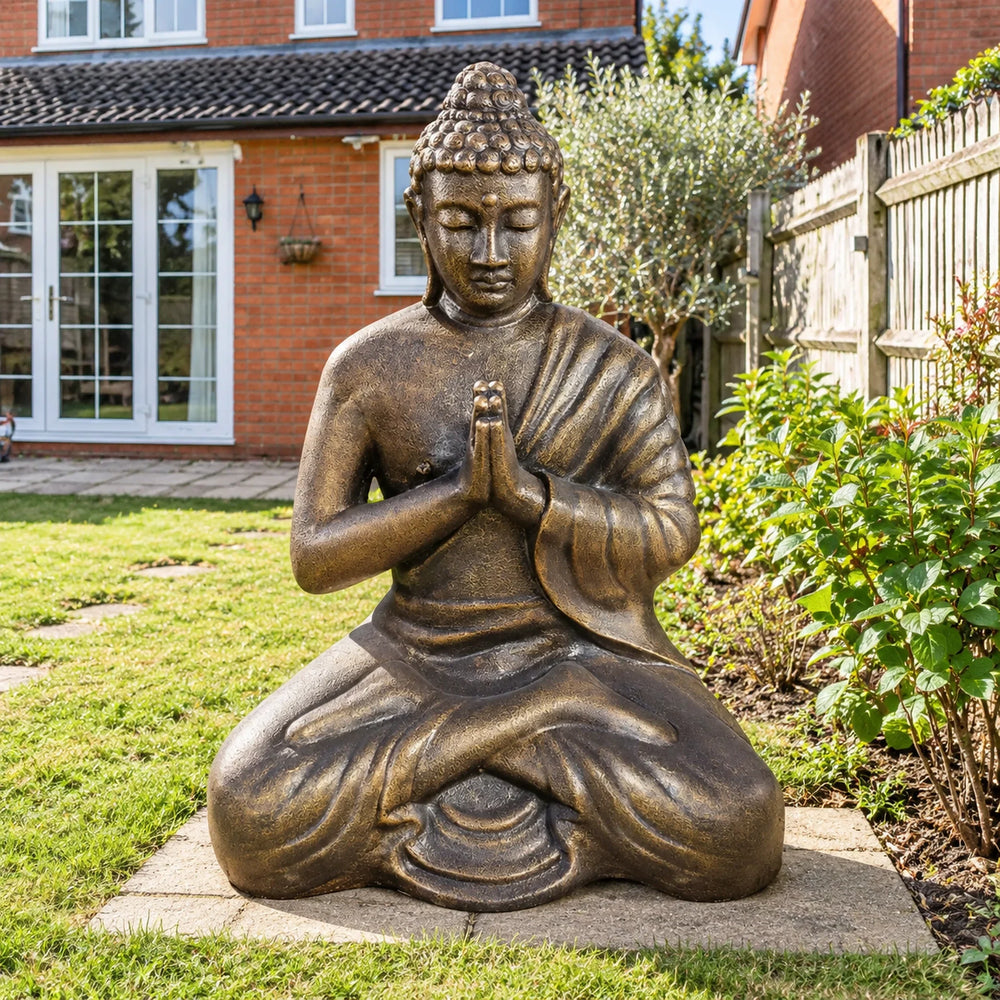
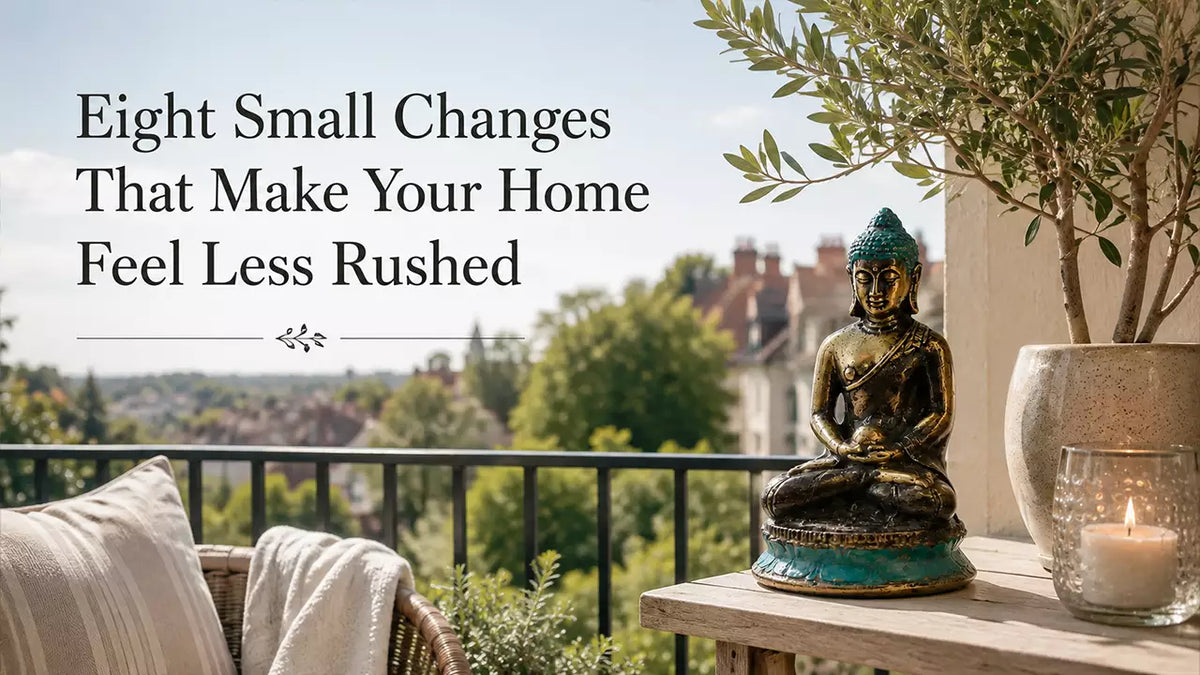
Handcrafted Buddha statues are excellent examples of mindful decor. These pieces aren't just decorative—they carry spiritual significance and can serve as reminders to pause, breathe, and be present. Whether you practice Buddhism or simply appreciate the symbolism of peace and enlightenment, a Buddha statue can be a powerful focal point in a meditation space or living room.
Other meaningful objects might include family photographs, artwork that speaks to your values, plants that you've nurtured, or items from nature that you've collected. The key is that each piece should have a story or a reason for being in your home.
When you're intentional about your decor, your space becomes a reflection of who you are and what you value. This creates a sense of authenticity and belonging that supports slow living. Rather than your home feeling like a showroom or a magazine spread, it feels like a true reflection of your life and your values.
As you curate your decor, also consider the principle of negative space. In slow living home decor, empty space is just as important as filled space. It allows your eye to rest, creates a sense of calm, and prevents the space from feeling cluttered or overwhelming. Don't feel the need to fill every surface or wall. Sometimes, less really is more.
6. Establish Rituals and Routines
Slow living is deeply connected to rituals and routines. These are the small, intentional practices that structure our days and create a sense of rhythm and meaning. When your home supports these rituals, it becomes easier to maintain a slower pace of living.
Consider establishing a morning ritual. This might involve waking up without immediately checking your phone, spending time in your meditation space, enjoying a cup of tea or coffee mindfully, or simply sitting in a comfortable chair and watching the sunrise. The specific activities matter less than the intention behind them. You're starting your day with presence and calm, rather than immediately rushing into productivity.
Similarly, an evening ritual can help you transition from the busyness of the day to rest. This might include lighting candles, changing into comfortable clothes, preparing a simple meal, reading, or practicing gentle stretching. These rituals signal to your body and mind that it's time to slow down.
Meal times are another opportunity for ritual. Rather than eating quickly at your desk or in front of a screen, create a dedicated dining space and take time to savor your food. Notice the flavors, textures, and aromas. If you're eating with others, focus on conversation and connection rather than rushing through the meal.
Your home environment should support these rituals. A comfortable meditation cushion in a quiet corner makes morning meditation more likely. A well-lit dining table encourages mindful eating. A bedroom free from screens and work-related items supports restful sleep.
7. Cultivate a Connection with Nature
One of the most powerful ways to slow down is to cultivate a deeper connection with nature. This might seem challenging if you live in an urban area, but there are many ways to bring nature into your home and create a sense of connection with the natural world.
Plants are one of the most accessible ways to do this. Beyond their aesthetic appeal, plants improve air quality, create a sense of life and growth, and require a slower pace of care. Rather than high-maintenance plants that demand constant attention, consider hardy varieties that thrive with minimal intervention. The act of watering plants, watching them grow, and caring for them over time is inherently a slow living practice.
You might also incorporate natural elements like stones, shells, branches, or driftwood into your decor. These items connect you to natural landscapes and can serve as reminders of time spent in nature. Displaying them in your home keeps that connection alive even when you're indoors.
Consider creating a small garden space, even if it's just a few pots on a windowsill or balcony. Growing your own herbs or vegetables, even on a small scale, connects you to the cycles of nature and provides a tangible reminder of where food comes from. It's a slow, meditative practice that yields both practical and psychological benefits.
If you have outdoor space, create an area that invites you to spend time outside. A simple bench, a small table, or even just a comfortable spot on the ground can become a place for reflection and connection with nature. The more time you spend in natural settings, the more you'll naturally slow down and attune yourself to natural rhythms.
8. Minimize Digital Distractions and Create Tech-Free Zones
Perhaps one of the most important aspects of creating a slow living home is to minimize digital distractions and create spaces that are free from technology. Our devices are designed to capture and hold our attention, and they're incredibly effective at doing so. They fragment our focus, interrupt our presence, and create a constant sense of urgency.
Designate certain areas of your home as tech-free zones. Your bedroom should ideally be free from screens and devices that emit blue light, as these interfere with sleep. Your dining area should be a place for conversation and presence, not scrolling. Your meditation space should be a refuge from digital stimulation.
Consider establishing tech-free times as well. Perhaps the first hour after waking and the last hour before bed are device-free. Maybe meals are phone-free. These boundaries might feel challenging at first, but you'll likely notice a significant shift in how you feel and how present you can be.
When you do use technology, be intentional about it. Rather than mindlessly scrolling through social media, use your devices for specific purposes. Set time limits. Turn off notifications that aren't essential. Create a physical space for your devices—perhaps a charging station in a room other than your bedroom—so they're not constantly in your line of sight.
The absence of constant digital stimulation creates space for boredom, and boredom is actually valuable. It's in moments of boredom that creativity emerges, that we process emotions, and that we connect with ourselves. By creating tech-free spaces and times in your home, you're protecting this valuable space for deeper thinking and presence.
Designing Your Slow Living Home: Practical Tips for UK Homes
If you're in the UK and looking to implement slow living home decor principles, there are some specific considerations that can help you create a space that's both beautiful and supportive of a slower lifestyle.
British homes often have unique architectural features—fireplaces, bay windows, period details—that can be leveraged to create cozy, intentional spaces. Rather than covering these features or modernizing them away, consider how you can highlight and celebrate them. A fireplace becomes a natural focal point for gathering and conversation. Bay windows provide natural light and a perfect spot for a reading nook.
The UK climate also influences how we experience our homes. Winters are long and dark, which makes warm lighting, cozy textures, and a sense of hygge (the Danish concept of cozy contentment) particularly important. Invest in quality blankets, cushions, and throws in natural fibers. Create warm, inviting spaces where you want to spend time during the darker months.
British design traditions also align well with slow living principles. The Arts and Crafts movement, which emphasized handcrafted items and natural materials, is a perfect inspiration for slow living home decor. Look for British-made items, support local artisans, and choose pieces that will last for years rather than following fast furniture trends.
The Role of Handcrafted Pieces in Slow Living
Handcrafted items deserve special attention when discussing slow living home decor, as they embody many of the core principles of this lifestyle philosophy.
When you choose a handcrafted piece—whether it's a Buddha statue, a ceramic bowl, a wooden shelf, or a woven rug—you're making a statement about what you value. You're choosing quality and uniqueness over mass production and uniformity. You're supporting artisans and small businesses rather than contributing to fast consumption cycles.
Handcrafted pieces also carry the energy and intention of the person who made them. An artisan creating a Buddha statue isn't just going through the motions of production. They're engaging in a meditative, intentional process. That