A garden feels different when it offers small reasons to pause. The flicker of leaves against a fence, the scent of damp earth after rain, a thoughtfully placed object glimpsed between ferns. A decorative bird house garden can bring exactly this kind of gentle presence to an outdoor space, adding character without filling every corner or competing with the planting.
Whether your garden is a compact city courtyard, a balcony with a few treasured pots, or a larger space with room to wander, a bird house can become more than a pretty detail. Chosen with care, it creates a focal point that feels warm, natural and quietly alive.
Begin with the feeling you want to create
Before choosing a bird house, take a moment to consider how you want the garden to feel. A rustic timber house nestled among climbing greenery brings an informal, woodland softness. A simple pale stone or weathered white piece can lend a cottage garden a lighter, more romantic mood. Dark metal, charcoal ceramic and clean-lined forms suit contemporary spaces where restraint is part of the calm.
The most harmonious decorative choices tend to echo materials already present. Look at the colour of your paving, fence, pots and outdoor furniture. If your garden has warm terracotta, aged timber and leafy greens, a bird house in unpainted wood, clay or muted ochre will feel settled rather than newly introduced. In a calmer, neutral scheme, linen-toned finishes and soft grey details offer visual interest without breaking the palette.
There is no need for every object to match. A garden with soul has gentle variation. The aim is simply to let one texture speak to another, allowing the bird house to appear as though it has always had a place there.
Choosing a decorative bird house garden feature
A decorative bird house can be purely ornamental, designed to bring a little storybook charm to a wall, shelf or potting bench. It can also be a genuine nesting box. These are different roles, and it is worth being clear about which you are choosing.
If you would like birds to use it, beauty must follow their needs. A suitable nesting box should be made from untreated, breathable material, with drainage and ventilation. Its entrance hole needs to suit the species you hope to welcome, and a perch directly beneath the hole is best avoided, as it can make access easier for predators. A beautifully painted house may be delightful as décor, but heavily treated wood, strong varnishes and decorative openings can make it less suitable for nesting.
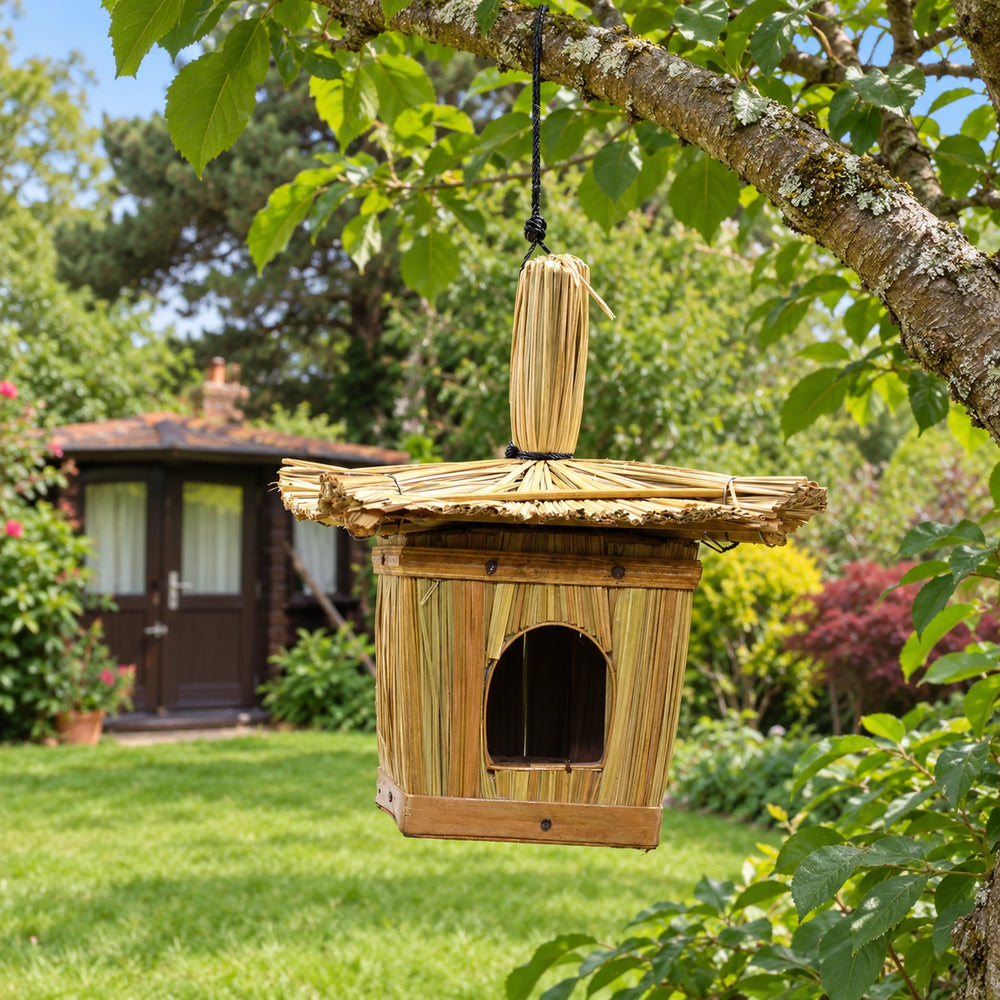
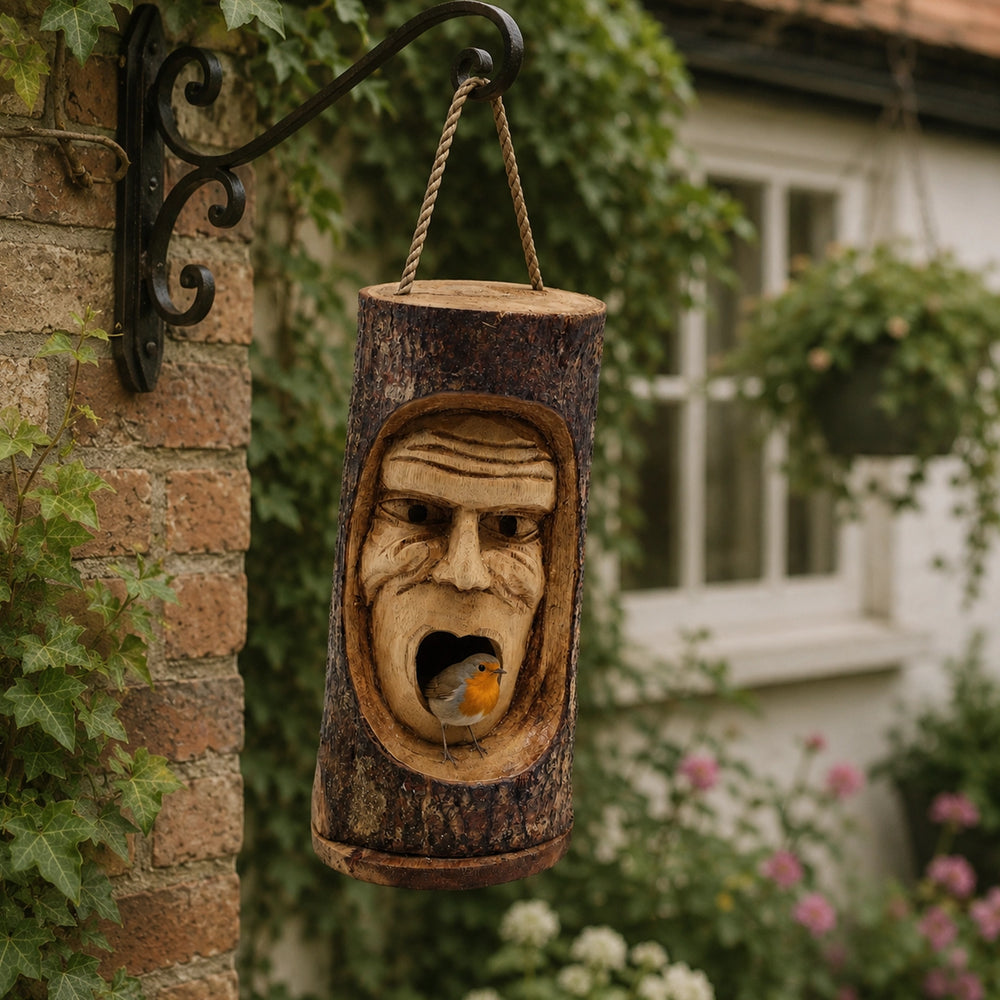
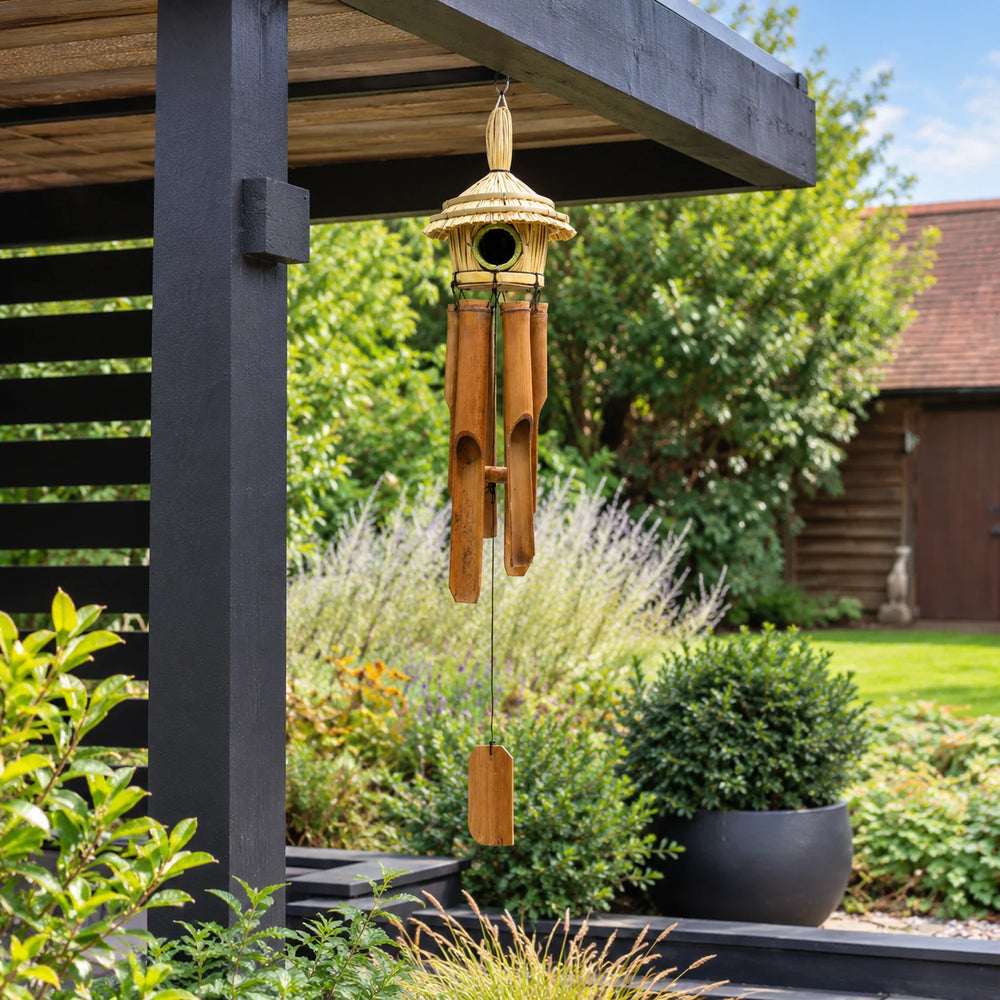
For an ornamental piece, you have more freedom. A small house with a copper-toned roof might sit beautifully near a herb planter. A ceramic design can bring a sculptural quality to a courtyard wall. Handcrafted-looking forms with imperfect edges and softened finishes are especially lovely beside natural planting because they avoid a too-polished look.
If you want both visual charm and practical habitat, choose a purpose-made nest box in a simple natural finish. Let the atmosphere come from its setting: a trailing plant below, a weathered timber fence behind it, or a quiet grouping of pots nearby.
Let scale guide the choice
Scale is often the difference between a considered detail and something that feels misplaced. In a small garden, one well-positioned bird house can be enough. Pair it with foliage or place it where the eye naturally rests, such as at the end of a path or beside a garden seat.
Larger gardens can hold a little more layering, but repetition should still feel intentional. Two similar houses positioned in separate zones can create a gentle thread through the space. A crowded cluster, however, can distract from the planting and lessen the sense of stillness.
Consider what sits around it. A tiny bird house may disappear beside a substantial olive tree or tall screen, while an oversized piece can overpower delicate cottage flowers. Let the garden lead. The most pleasing arrangement usually feels proportionate rather than conspicuous.
Place it where the garden can breathe
A bird house does not have to be centred to be noticed. In fact, slightly off-centre placement often feels more natural. Try mounting one against a quiet stretch of fence, setting an ornamental design among pots at varying heights, or hanging it near a climbing rose where the outline will soften over time.
For a functioning nest box, choose a position that offers shelter from strong prevailing wind and the harshest midday sun. A north-east or east-facing aspect is often a comfortable choice in UK gardens, providing gentle morning light while avoiding prolonged heat. Mount it securely, high enough to reduce disturbance, and keep the approach clear of thick branches that might give cats easy access.
For decorative pieces, think in terms of sightlines instead. What do you see from the kitchen window, the back door or the chair where you take your morning tea? A bird house placed within that view can create a small moment of pleasure each time you look out. It does not need to demand attention. Its quiet presence is the point.
Use planting to soften the scene
Plants make decorative details feel rooted rather than placed. Soften the base of a post or nearby wall with ferns, hardy geraniums, heucheras or grasses, depending on the light. Lavender and thyme bring a relaxed, sun-warmed character to a bird house near a patio, while ivy and jasmine can gently frame a wall-mounted piece.
Take care not to let foliage swallow a practical nest box. The entrance should remain clear, and the box should be accessible for seasonal cleaning. For an ornamental house, a looser, more overgrown look can be part of the appeal, especially in gardens that favour a natural, slightly untamed rhythm.
A simple composition of three elements often works beautifully: the bird house, a grounding plant or pot beneath it, and one contrasting texture nearby. This might be aged wood against glossy evergreen leaves, pale ceramic beside feathery grasses, or a small metal roof softened by flowering climbers.
Keep colour gentle and materials honest
Brightly painted bird houses can be cheerful, particularly in family gardens, but they are not the only way to add personality. A more restrained colour story often gives a garden greater longevity. Moss green, muted blue, faded red, warm cream and soft black all sit comfortably outdoors, especially when they have a chalky or weathered finish.
Natural materials bring their own quiet richness. Timber will silver over time. Terracotta gains depth after rain. Metal develops a softened patina. Rather than seeing this ageing as a flaw, allow it to become part of the garden's character. A decorative object that changes gently with the seasons feels less like an accessory and more like part of the landscape.
This is also where a mindful approach to styling matters. Resist adding a bird house simply to fill a blank fence panel. Leave some areas unadorned. A calm garden depends on negative space as much as it does on beautiful objects. When there is room for the eye to rest, each detail becomes more meaningful.
Create a small place to pause
A decorative bird house garden works especially well when it belongs to a wider pause point. Near a bench, create a soft corner with a lantern, a weathered planter and one piece of natural texture. Beside a meditation spot, choose an understated bird house that complements rather than competes with a stone statue or candle holder brought outside on still evenings.
The connection need not be literal. You are not building a themed display. You are shaping an atmosphere: a place that feels cared for, a little slower, and open to the changing sounds and movements of the garden.
Root & Still often returns to this idea of quiet presence in the home, and the garden deserves the same consideration. A few thoughtful pieces can make the space feel more personal without making it busy. Choose objects that invite you to look twice, then leave room for nature to do the rest.
As the seasons turn, let your bird house settle into its surroundings. Notice the new colour of the timber after rain, the first leaves gathering around its base, or the small movement of wings nearby. These are modest details, but they can turn an ordinary outdoor corner into a place to pause, breathe and reconnect.