There is something quietly powerful about a Buddha statue placed with care. It can shift the whole mood of a room, making a busy living space feel more settled or a bedroom feel genuinely restful. Yet many UK homeowners find themselves hesitating at the point of purchase, unsure whether a 30cm piece will look lost on a sideboard or whether a 90cm statue will overwhelm a modest study. The truth is, size matters far more than most decor guides acknowledge. Get it right, and your statue becomes an anchor for calm. Get it wrong, and even the most beautiful piece can feel out of place.
Table of Contents
Key Takeaways
| Point | Details |
|---|---|
| Room scale matters | Choose a Buddha statue size that fits the space for harmony and visual appeal. |
| Elevate statues respectfully | Never place a Buddha on the floor—use a shelf, furniture, or plinth to show respect. |
| Consider intent and ambience | Statue size and position should enhance the room’s peace and mindfulness, not just follow trends. |
| Common mistakes are fixable | Most sizing or placement errors can be corrected with simple adjustments. |
What to consider before choosing your Buddha statue
Now that you appreciate the value of selecting the right Buddha statue size, let’s break down the practical considerations every homeowner should know.
The first thing to assess is the scale of your room and its existing furniture. A large, open-plan living area with high ceilings can carry a statue of 80cm or more without it feeling imposing. A smaller terraced house sitting room, however, may feel crowded by anything above 50cm on a low shelf. The goal is balance: your statue should feel like a considered presence, not a piece that fights for attention or disappears into the background.
Spiritual meaning and respectful elevation go hand in hand. In many Buddhist traditions, the statue represents an enlightened being and should therefore be positioned above everyday objects and certainly above floor level. As a general principle, elevated placement at 30 inches is recommended as a spiritual respect benchmark, connecting the statue to what is sometimes described as the Heavenly Realm. This is not merely a stylistic preference. It reflects a genuine cultural and spiritual convention worth honouring in your home.
Energy flow is another consideration that shapes placement. In feng shui practice, the area around a statue should be clear and uncluttered, allowing what is known as chi or qi to move freely. A statue surrounded by stacked books, trailing cables, or decorative clutter loses much of its calming effect. Give it room to breathe, and the space around it will feel more open and intentional.
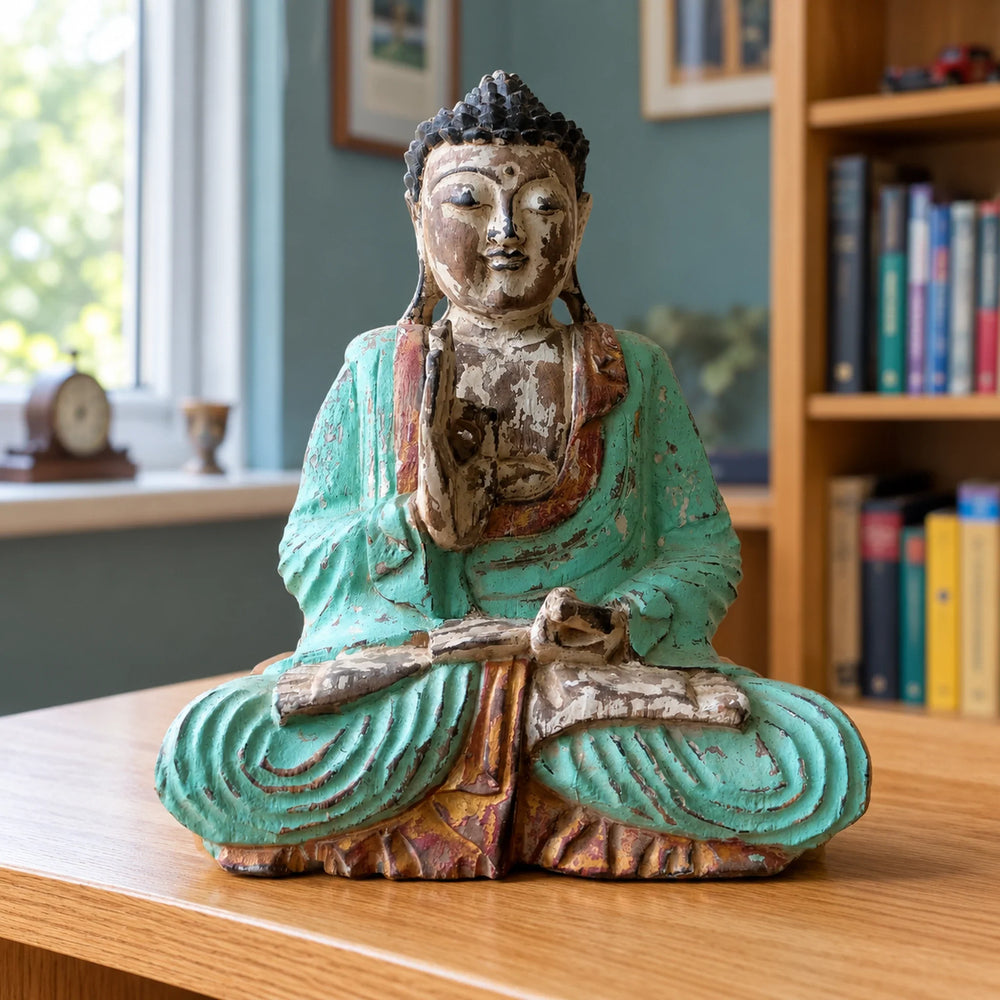
Finish, colour, and pose also play a role in how a statue settles into a room. A brushed antique gold piece suits warm, earthy interiors with linen textiles and wooden furniture. A turquoise stone finish feels at home in cooler, more contemporary spaces. The pose matters too: a meditating Buddha encourages stillness and reflection, while a laughing or reclining Buddha brings a different, more joyful energy. When choosing Buddha statue sizes, always consider the piece as part of the room’s whole character, not in isolation.
For outdoor settings, the approach shifts slightly. Garden statues need to be robust enough to hold their presence in open space, and they should never sit directly on bare ground. Garden placement guidance recommends raising outdoor statues between 300 and 600mm above ground level, using a plinth or raised stone base to honour both the spiritual convention and the practical need for stability.
“A Buddha statue placed with intention does not simply decorate a room. It anchors it.”
Pro Tip: Before purchasing, cut out a piece of card to the statue’s approximate dimensions and place it in your intended spot. Live with it for a day. You will quickly sense whether the scale feels right.
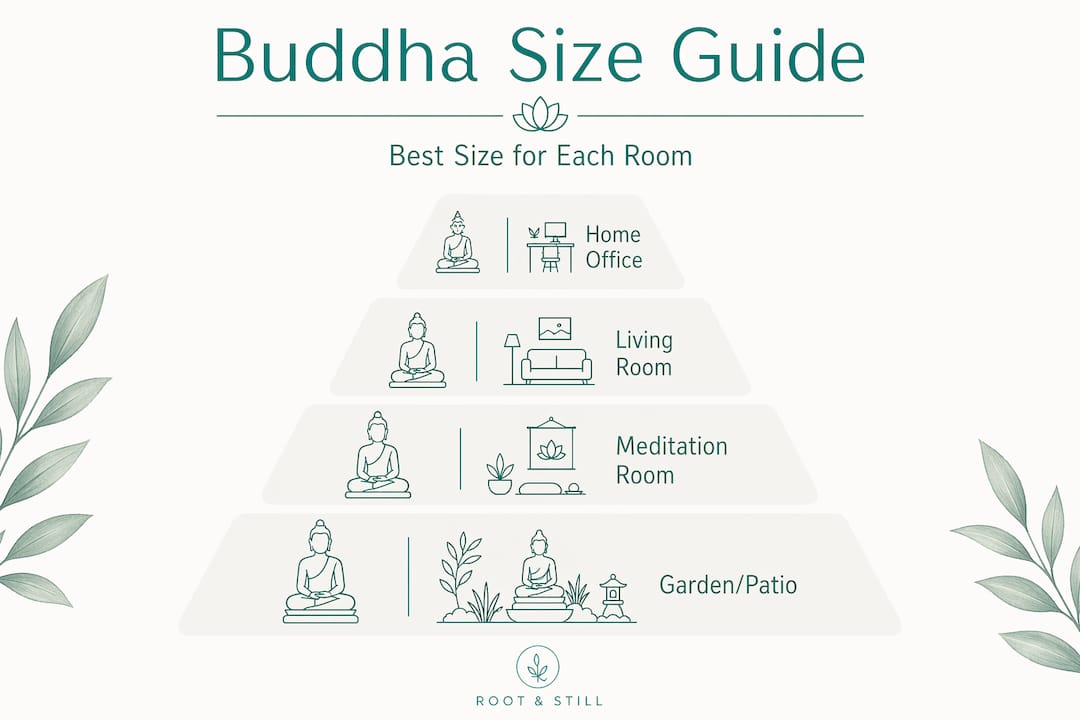
Buddha statue size guide: which dimensions for which rooms?
Having established the critical principles, let’s map specific statue sizes to typical rooms so you can visualise your options.
Every room has its own rhythm, and the right statue size should complement that rhythm rather than disrupt it. Here is a room-by-room breakdown to guide your decision.
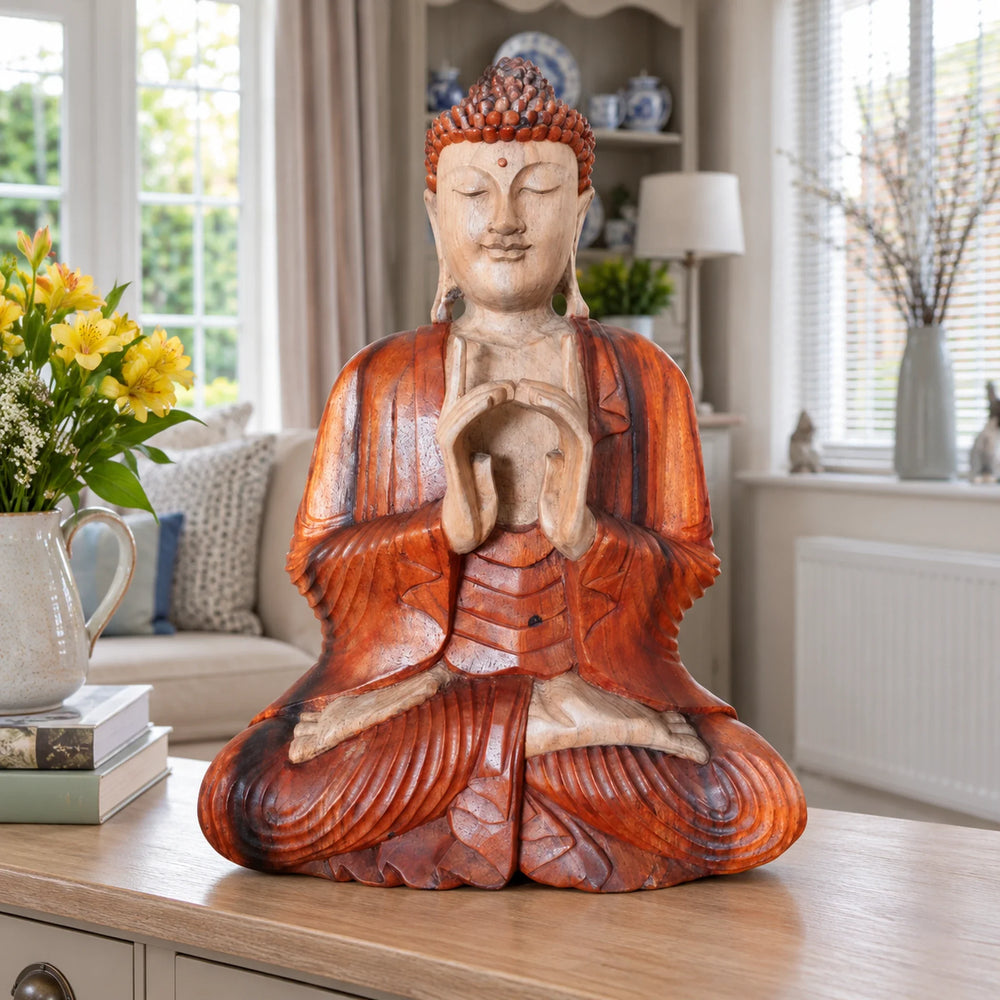
Living room: This is where you have the most freedom. A statement piece of 50 to 120cm works beautifully on a console table, fireplace mantel, or purpose-built shelf unit. If you prefer something more subtle, a 25 to 50cm statue on a side table or bookshelf creates a calm focal point without dominating the room. Large Buddha statues for living rooms work especially well in rooms with neutral palettes, where the statue’s texture and colour can genuinely sing.
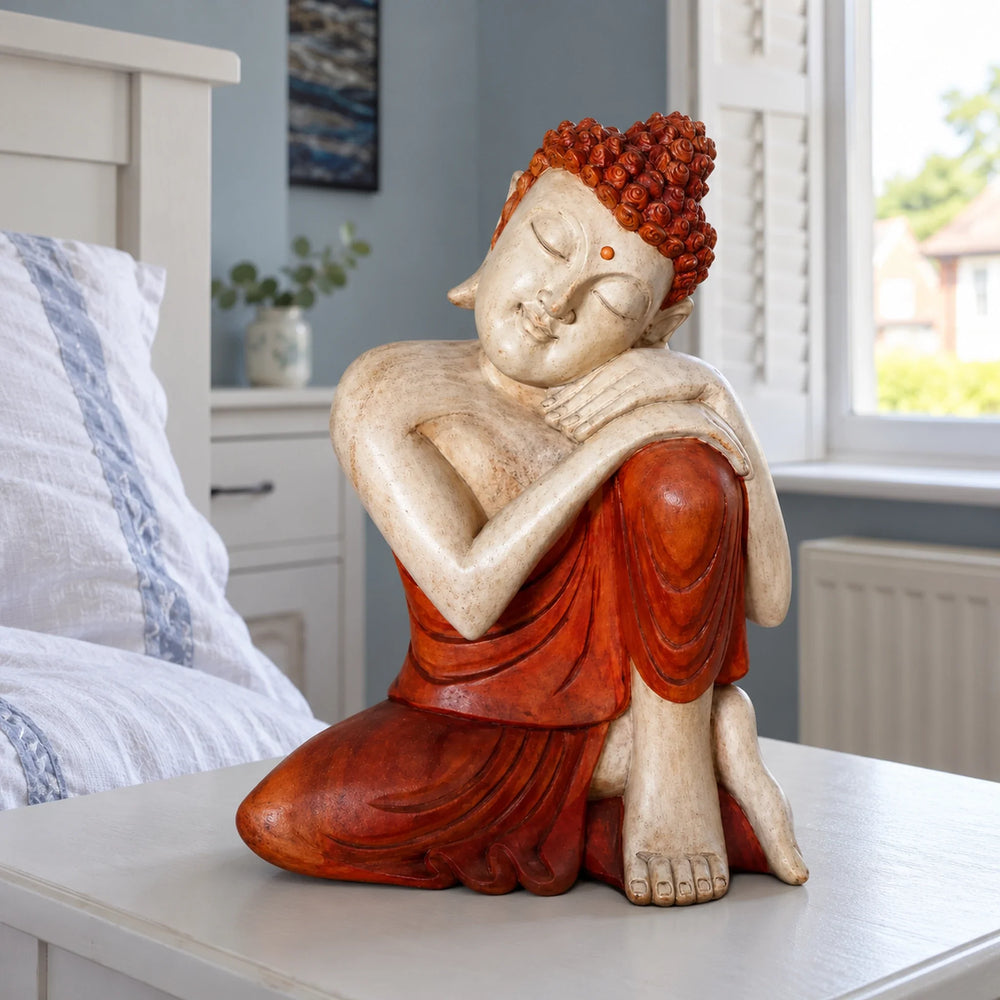
Bedroom: Smaller statues of 25 to 50cm are ideal here. Place one on a bedside table or low dresser, ensuring it sits at or above mattress height. The bedroom is a space for rest and restoration, so a meditating Buddha in a calm stone or matte finish suits the mood perfectly. Avoid anything too large or visually dominant, as this can create a sense of unease rather than peace.
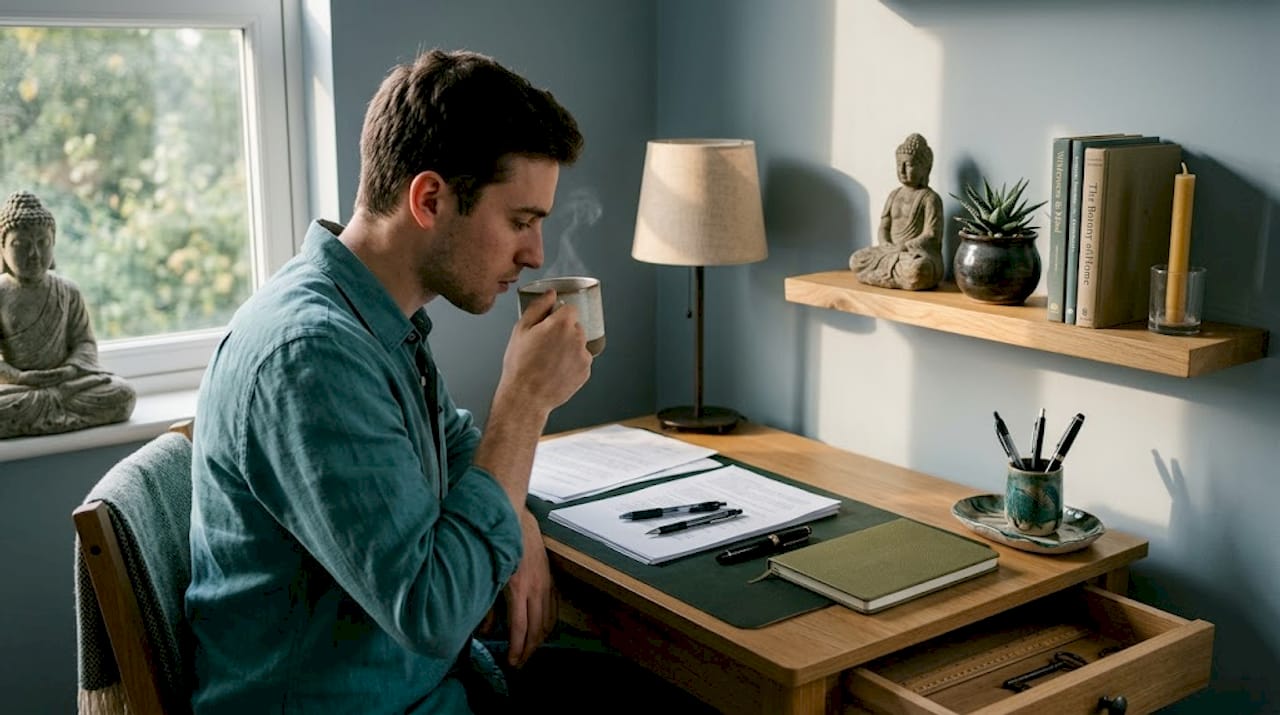
Study or home office: A 25 to 40cm statue in a subtle finish, perhaps antique bronze or pale stone, brings grounding energy to a workspace without becoming a distraction. Position it to one side of your desk or on a dedicated shelf above eye level when seated. Medium Buddha statues for interiors are a particularly good fit for studies, offering presence without overwhelming a functional space.
Meditation room or dedicated corner: If you have a meditation space, you have more flexibility. A statue of 30 to 90cm can serve as a genuine focal point for practice. Keep the surrounding area simple: a folded blanket, a candle, perhaps a small plant. The statue should feel central and calm, not crowded.
Outdoor patios and gardens: Scale up considerably here. A statue of 60 to 120cm holds its presence in open-air settings, and it must be raised on a plinth. As noted in outdoor statue placement guidance, a height of 300 to 600mm above ground is the recommended benchmark for garden settings, both for spiritual respect and visual impact.
| Room | Recommended size | Ideal placement |
|---|---|---|
| Living room | 50 to 120cm | Console table, mantel, large shelf |
| Bedroom | 25 to 50cm | Bedside table, dresser |
| Study or office | 25 to 40cm | Side shelf, above desk level |
| Meditation space | 30 to 90cm | Central focal point, low table |
| Garden or patio | 60 to 120cm | Raised plinth, 300 to 600mm above ground |
Pro Tip: In smaller rooms, a taller, slender statue often works better than a wide, squat one. Height draws the eye upward and creates a sense of space rather than weight.
How to position and elevate your Buddha for harmony
Once you know the ideal size, correct placement is your next step. Here is how to set up your Buddha statue respectfully and stylishly.
Elevation is perhaps the single most important factor in respectful placement. The widely cited spiritual benchmark of at least 30 inches off the floor reflects a long-standing convention that the Buddha should occupy a higher plane than everyday objects. In practical terms, this means a sturdy shelf, a console table, or a dedicated plinth rather than a windowsill at ankle height or, worse, the floor itself.
Eye level is a useful ergonomic guide for living spaces. When you are seated in your main chair or sofa, the statue’s face should be roughly at your eye level or slightly above. This creates a natural sense of connection and calm without the statue feeling either towering or diminished. In a meditation space, you may prefer the statue to sit slightly higher, encouraging an upward, open gaze during practice.
Furniture placement matters too. A statue placed on a solid, stable surface feels anchored and secure. Avoid placing it on surfaces that wobble, on top of stacked books, or in corners where it will be obscured. If you are using a plinth or pedestal, consider standing Buddha statues on plinths as a complete, considered arrangement rather than an afterthought.
Direction is another element to consider. Ideally, your Buddha should face into the main living area of the room, welcoming energy inward. Avoid positioning it to face directly towards a bathroom door or the main entrance door, as both are considered disruptive to the statue’s calm energy in feng shui tradition.
“The right elevation does not just honour the statue. It changes how the whole room feels around it.”
| Placement method | Spiritual suitability | Practical notes |
|---|---|---|
| Dedicated plinth or pedestal | Excellent | Stable, elevated, visually intentional |
| Solid shelf or console table | Very good | Ensure surface is at least 76cm high |
| Fireplace mantel | Good | Natural focal point, good height |
| Windowsill (low) | Not recommended | Too close to floor level, exposed |
| Floor placement | Not appropriate | Considered disrespectful in most traditions |
Common mistakes and troubleshooting
With your Buddha set up, here is how to avoid pitfalls and fix common missteps that can disrupt your room’s peaceful flow.
Even well-intentioned placements can go wrong. These are the most frequent issues and how to correct them.
Choosing a statue that is too small for the space. A 20cm piece placed on a large dining table or in a spacious hallway will simply disappear. It loses its presence and its purpose. If your statue looks lost, move it to a smaller, more intimate setting or replace it with something that genuinely fills the space.
Choosing a statue that overwhelms the room. A 100cm statue in a small bedroom or narrow hallway creates tension rather than calm. If you notice a statue making a room feel cramped or heavy, consider moving it to a larger space or swapping it for a more modestly sized piece.
Placing the statue directly on the floor. This is one of the most common mistakes and one of the most straightforward to fix. Never place a Buddha directly on the ground; always raise it on a shelf, table, or plinth. For outdoor settings, a raised stone base of at least 300mm is the minimum to aim for.
Surrounding the statue with clutter. If your statue is hemmed in by ornaments, books, or miscellaneous objects, the energy around it becomes congested. Clear the immediate area and leave a generous margin of empty space on all sides.
Facing the statue towards a bathroom or directly at the front door. Reposition the statue so it faces into the main living area. This small adjustment can make a noticeable difference to how the room feels.
Neglecting regular care. A dusty or neglected statue loses its sense of quiet dignity. Dust it gently with a dry, soft cloth at least once a week. For large teal Buddha statues or other decorative finishes, avoid abrasive cloths or chemical sprays that can dull the surface over time.
Pro Tip: If you are unsure whether your placement feels right, sit quietly in the room for a few minutes and notice how you feel. A well-placed statue creates a subtle but real sense of ease. If something feels off, trust that instinct and adjust.
Why size, placement, and intent matter more than trends
Here is a perspective you will not often find in mainstream decor blogs: the most beautifully styled Buddha statue in the world will not bring calm to your home if it has been chosen purely to follow a trend.
Interior design moves quickly. One season, it is oversized sculptural pieces in every corner. The next, it is minimal and pared back. Chasing these shifts with something as meaningful as a Buddha statue leads to mismatched placements, disrespectful positioning, and rooms that feel restless rather than grounded.
We have seen this pattern often. A homeowner chooses a large, dramatic piece because it is fashionable, places it on the floor because it looks striking in photographs, and wonders why the room never quite settles. The statue becomes a prop rather than a presence. And there is a real difference between the two.
The statues that genuinely transform a space are chosen with intention. The homeowner has thought about the room’s energy, the statue’s pose and meaning, and the relationship between size and scale. They have raised it properly, given it space, and positioned it with care. A classic antique gold Buddha placed thoughtfully on a linen-draped shelf in a quiet corner will do more for a room’s atmosphere than a statement piece dropped wherever it happens to fit.
The other thing worth saying plainly: you do not need to follow any rigid rule to the letter. Guidelines around elevation and direction are rooted in genuine tradition and are worth respecting, but the most important thing is that your placement feels considered and sincere. A statue chosen with care and positioned with thought will always carry more presence than one selected for its Instagram appeal.
Create a mindful home with Root & Still’s Buddha collection
Ready to find a Buddha statue that truly fits your space? At Root & Still, we curate each piece with exactly this kind of intention in mind.
Whether you are looking for a tall standing Buddha statue to anchor a hallway or living room, or a beautifully textured turquoise stone Buddha statue to bring warmth and colour to a contemporary interior, our collection spans a range of sizes, finishes, and poses to suit every room and intention. Every piece we stock has been chosen for its ability to bring genuine calm and quiet presence into a modern home. Browse the full collection and find the piece that feels right for your space.
Frequently asked questions
What is the best height to place a Buddha statue indoors?
A raised surface of at least 30 inches (76cm) is ideal for spiritual respect, particularly in living rooms and meditation areas. This elevation reflects a long-standing cultural convention that the Buddha should occupy a higher plane than everyday objects.
Can I put a Buddha statue in my bedroom?
Yes, a smaller statue of 25 to 50cm placed on a bedside table or dresser works beautifully in a bedroom, provided it sits above mattress height and is not obscured by surrounding objects.
Is it disrespectful to place a Buddha statue on the floor?
Yes, it is considered disrespectful across most Buddhist and feng shui traditions. Always raise the statue on a plinth or solid surface, indoors and outdoors alike.
How do I clean and maintain my Buddha statue?
Dust your statue regularly with a dry, soft cloth to preserve its finish. For outdoor pieces, a gentle rinse with plain water is sufficient; avoid harsh chemical cleaners, which can damage decorative surfaces over time.
Which direction should my Buddha statue face?
Your statue should face into the main area of the room, welcoming energy inward. Avoid positioning it to face directly towards a bathroom or the primary entrance door.