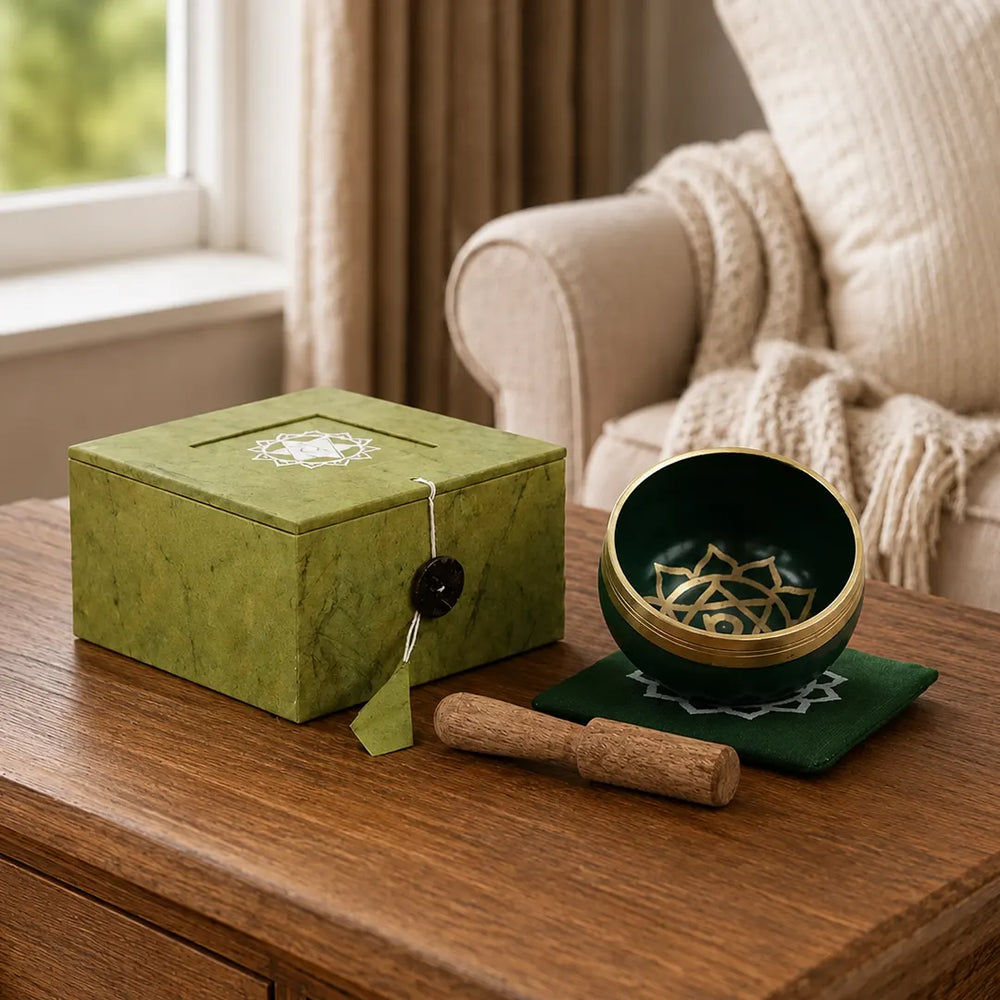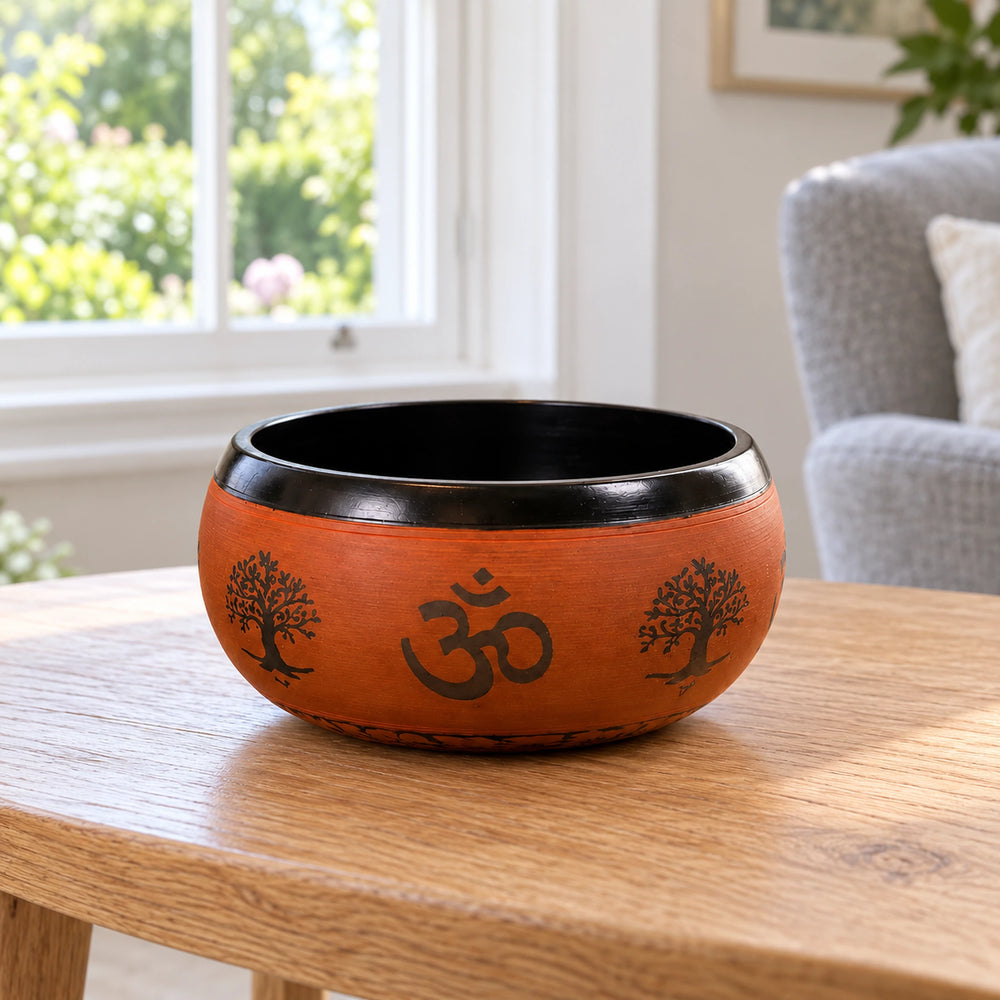
A sound bath is usually a listening session in which a facilitator plays instruments such as singing bowls or gongs. Formats differ: some include spoken guidance, some involve silence between sounds, and some form part of a wider meditation class. Ask about the actual session before booking.
Before you arrive
Check duration, accessibility, seating options and what equipment is provided. You may be invited to lie on a mat, but a chair or another supported position may suit you better. Ask whether you can sit near an exit, take a break or leave without explanation. Find out whether fragrance, touch or instruments placed on the body are involved; do not assume these are part of every session.
During the session
The facilitator may introduce the instruments, begin with quieter sounds and leave time at the end before people get up. That is an example, not a standard sequence. You do not have to keep your eyes closed, remain still through discomfort or interpret sensations in a particular way. Tell the facilitator if the sound is uncomfortable and move away or stop listening.
What can you expect to feel?
People may enjoy the sound, find it distracting or prefer ordinary quiet. There is no required emotional release or proof that a session has worked. An observational singing-bowl meditation study reported changes in participants’ self-reported mood, but it did not establish that sound alone caused those changes. It is not evidence that a session treats a medical condition or will help everyone.
If you have a health concern
Discuss relevant concerns with a healthcare professional and the organiser before attending. A retail guide cannot determine whether a particular session is suitable for an individual or give a blanket list of medical exclusions. Sound sessions should not replace necessary healthcare.
Trying sound at home
You do not need to buy a full set of instruments. If a singing bowl interests you, start with product-specific instructions, a compatible striker and gentle use at a comfortable level. Consider neighbours and other people in the room. The first-bowl guide explains what to compare before buying.
Questions people ask
Do I have to lie on the floor?
Ask the organiser about a chair or another supported position. Accessibility and comfort should be discussed before the session.
Is a sound bath a medical treatment?
Do not treat a general listening session as a substitute for healthcare or expect a guaranteed therapeutic result.