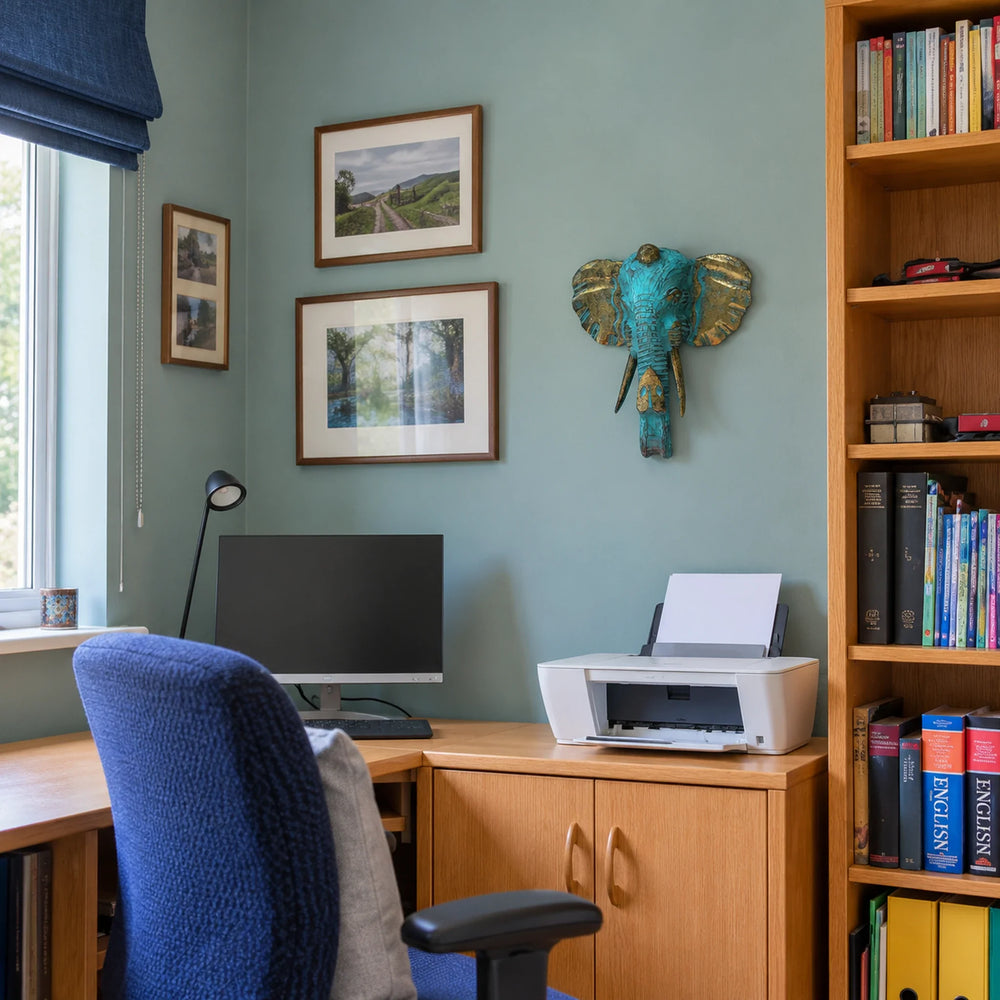
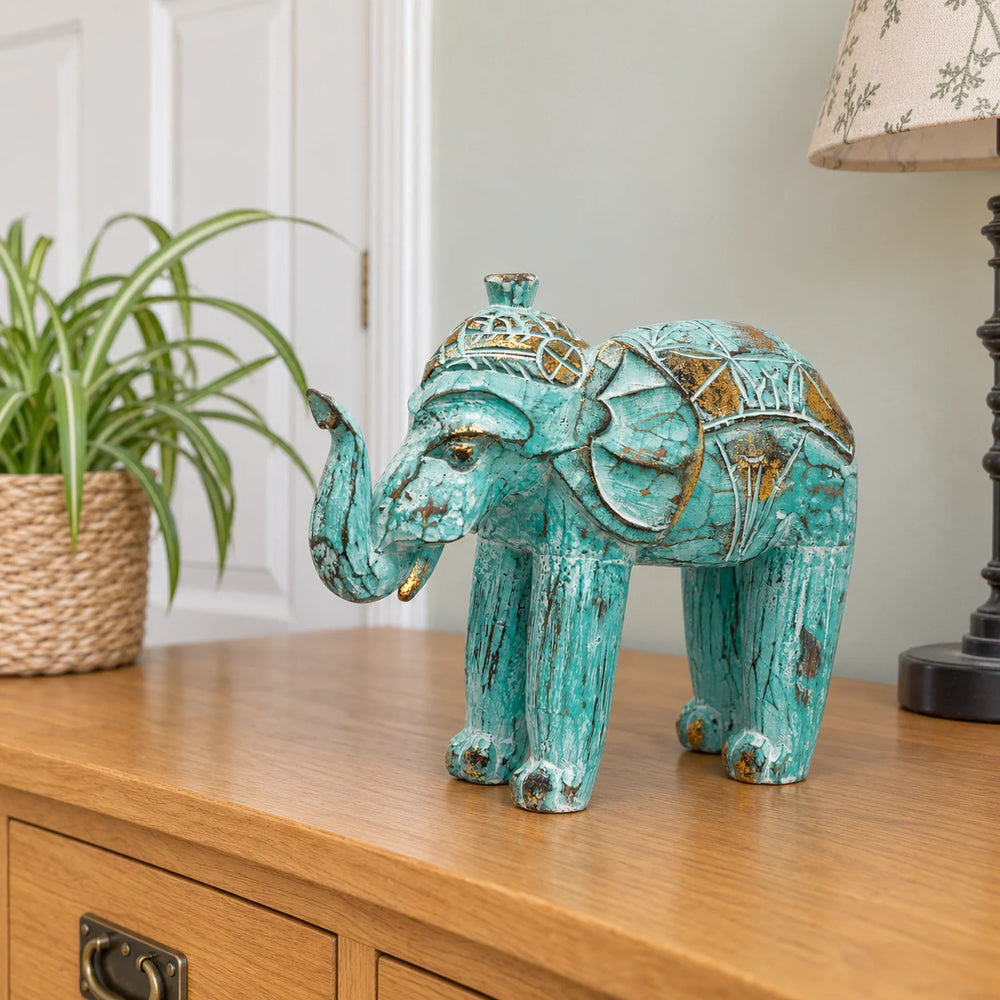
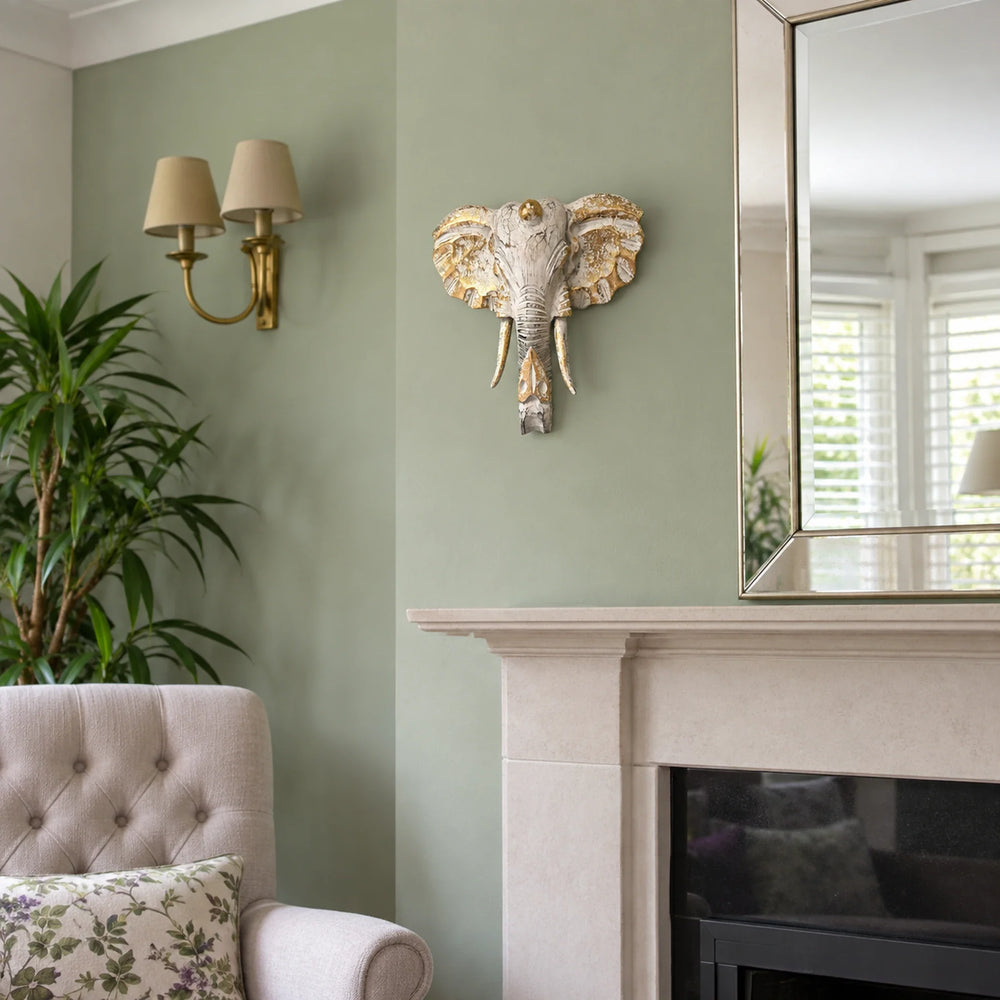
A home does not need more objects to feel complete. It needs a few pieces that make you slow down when you pass them. An elephant statue can do exactly that: bringing a sense of quiet strength, gentle character and natural warmth to a shelf, sideboard or garden corner without asking for attention.
For many people, the elephant carries associations of wisdom, loyalty, patience and protection. For others, it is simply a beautifully recognisable form, with sculptural curves and an unmistakable presence. Either way, the most successful styling starts with intention. Choose a piece that feels at home in your space, then give it enough room to be noticed.
Why an Elephant Statue Changes the Feeling of a Room
Elephants have a grounded quality that works especially well in interiors designed for rest. Their broad, steady shape can soften the sharp lines of modern furniture, while details such as a textured finish, aged stone effect or warm brass tone add depth without visual noise.

Shop Now: Wooden Hand Carved Elephant - White Gold
This is why an elephant statue often feels more considered than a small decorative trinket. It has enough visual weight to anchor a scene, whether that is a calm bedside table, a console in the hallway or a quiet corner of the sitting room. The aim is not to make it the centre of every room. It is to create a small moment of stillness within the room.
Meaning matters too, but it is worth holding it lightly and respectfully. Elephant imagery has deep significance in several cultures and faiths, including Hindu traditions, where Ganesha is widely revered. A decorative elephant is not a substitute for a sacred object, and its symbolism can vary from person to person. If you are drawn to the form for its sense of calm and strength, let that appreciation guide your choice and placement.
Choose a Style That Belongs in Your Space
The best piece will echo something already present in your home. Look at your materials first: the timber of your furniture, the metals in your lighting, the colours in your textiles and the amount of visual texture around you.
A stone-look or cement-finish elephant works beautifully in pared-back spaces with linen, oak, jute and soft neutral walls. It brings an earthy, collected feeling to a modern flat without making the room feel themed. A darker carved-look piece can offer contrast against pale walls and light timber, particularly in a room that needs a little depth.
For a warmer, more decorative look, consider bronze, antique gold or weathered brass tones. These pair naturally with amber glass, candlelight and deep green foliage. They are particularly effective in a hallway or living room where the light changes through the day.
Scale matters as much as finish. A small elephant statue can sit quietly beside a stack of books or a candle holder. A larger piece needs breathing room and works best as a single focal point on a console, plinth or low shelf. If the statue is large but the surface is crowded, its calm presence disappears.
Where to Place an Elephant Statue
There is no single correct place for an elephant statue. The right location depends on how you want a room to feel and how much space the piece needs. Instead of scattering several around the home, begin with one meaningful placement.
In the hallway
A hallway is often the first place you set down the pace of the day. Place an elephant statue on a console table with a small tray for keys and a softly scented candle nearby. Keep the arrangement edited. One statue, one natural element and one practical object can feel far more welcoming than a busy display.
Choose a finish that can hold its own against everyday movement. A tactile stone-effect piece or darker metal tone is often more forgiving than something highly polished.
In the living room
On a bookshelf, an elephant can create an elegant visual pause between books and framed photographs. Try placing it beside, rather than directly in front of, a small stack of books. Leave some empty shelf space around it so the silhouette has room to register.
A coffee table can work too, provided the statue is low enough not to interrupt conversation. Style it with a shallow bowl, a candle and perhaps a single branch in a small vase. The combination of smooth, natural and flickering elements gives the room warmth without clutter.
In a bedroom or quiet corner
A bedroom benefits from objects that feel restful rather than purely decorative. A small elephant statue on a chest of drawers or bedside table can sit alongside a ceramic candle holder and a simple lamp. Avoid filling the area with too many symbolic pieces. One thoughtful object is often enough to make the space feel personal.
For a meditation-inspired corner, position the statue on a low shelf or a small side table near a cushion, throw and incense holder. This is less about creating a perfect ritual space and more about making a place where you can pause, breathe and reconnect.
In the garden
Garden elephant statues can bring a lovely sense of discovery to an outdoor space. Tuck a weather-suitable piece beside ferns, grasses or trailing plants, where it looks gently settled rather than displayed. A stone or aged finish tends to feel most natural outdoors.
Do consider the material carefully. Not every decorative statue is designed to withstand frost, rain and changing UK weather. If you love a piece but are unsure of its durability, place it in a covered porch, conservatory or sheltered patio instead.
Create a Considered Display Around It
An elephant statue looks most at ease when the objects around it share a common mood. You do not need to match everything exactly. In fact, a display becomes more interesting when it balances different surfaces: a rough stone finish beside smooth ceramic, warm wood beneath cool metal, or a matte statue near the soft glow of a candle.
Keep the colour palette gentle. Earthy beige, clay, moss green, charcoal and muted gold work naturally with elephant forms because they draw attention to texture rather than brightness. If your room is already colourful, let the statue be the grounding element - choose black, ivory, grey or natural wood rather than another bold accent.
Height is useful too. A display tends to feel settled when there are a few different levels, such as a statue, a taller vase and a low candle holder. With only two or three pieces, this can look composed rather than over-styled. If you are adding four or more objects, use a tray or a defined section of shelving to stop the arrangement drifting into clutter.
Some people choose an elephant with its trunk raised because they associate the gesture with good fortune. Others prefer a downward trunk or select a piece purely for its shape. There is no universal rule here. The most meaningful choice is the one you genuinely enjoy seeing every day.
What to Avoid When Styling Elephant Decor
The temptation is to lean too heavily into a theme. A single elephant statue can feel timeless; several matching ornaments, patterned cushions and wall art can make the space feel less personal and more like a display. Let the piece be part of a wider story of natural materials, calm colours and objects collected with care.
Avoid placing it where it is constantly knocked, hidden behind clutter or competing with a television, oversized lamp or crowded gallery wall. A statue with visual presence needs a small amount of clear space. That negative space is not empty - it is what allows the object to bring calm.
It is also worth being honest about your home. A finely detailed light-coloured statue may not be the practical choice near young children, energetic pets or a busy entrance. In those spaces, choose something sturdy, lower-maintenance and comfortably out of the way.
Let Your Home Set the Pace
At Root & Still, we believe decorative pieces are most powerful when they support the way you want to live. An elephant statue does not need a grand explanation or a perfectly styled room around it. It can simply be a small reminder of steadiness on a hectic morning, a warm detail by candlelight, or a familiar presence in the corner where you take a moment for yourself.
Choose one that feels grounded in your space, place it with care, and let the rest of the room breathe around it.