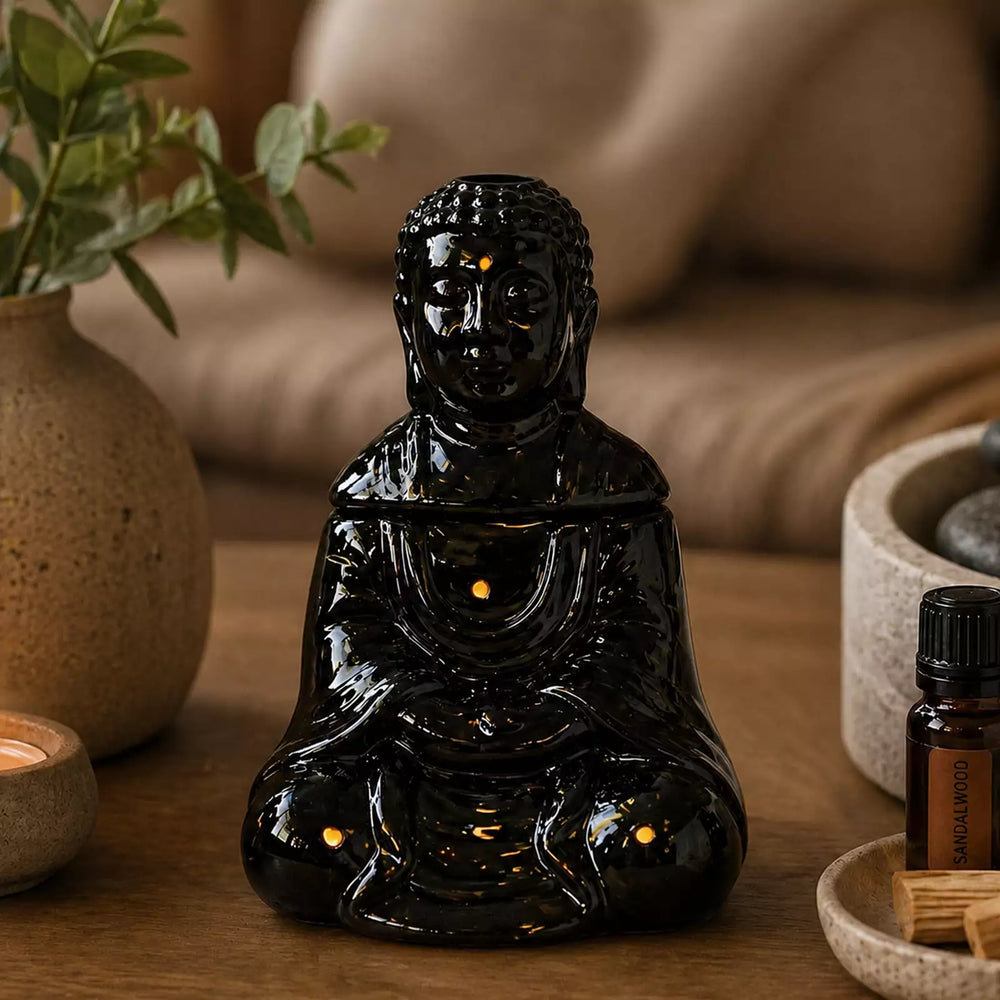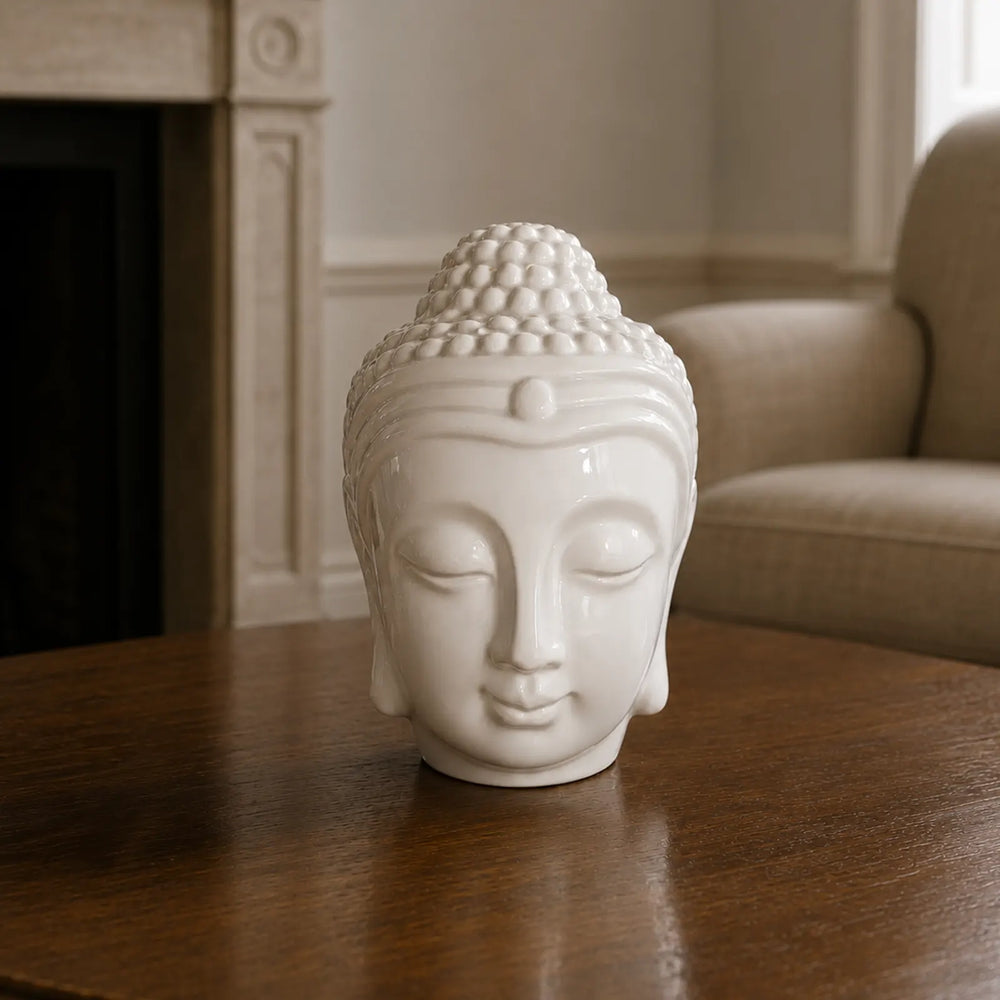
Welcome to the wonderful world of aromatherapy! If you're just starting your journey into essential oils and looking to transform your home into a sanctuary of calm and wellness, you've come to the right place. At Root & Still, we believe that creating an intentional, mindful home is one of the most important investments you can make for your wellbeing. While we're known for our handcrafted Buddha statues and meditation decor, today we're diving deep into another essential element of a peaceful home: aromatherapy and essential oil burners.
Whether you're seeking to reduce stress, improve sleep, boost your mood, or simply enjoy beautiful natural scents throughout your living spaces, essential oils and oil burners offer an accessible and affordable way to enhance your daily life. This comprehensive guide will walk you through everything you need to know about essential oil burners, how to use them safely and effectively, and how to choose the right oils for your needs.

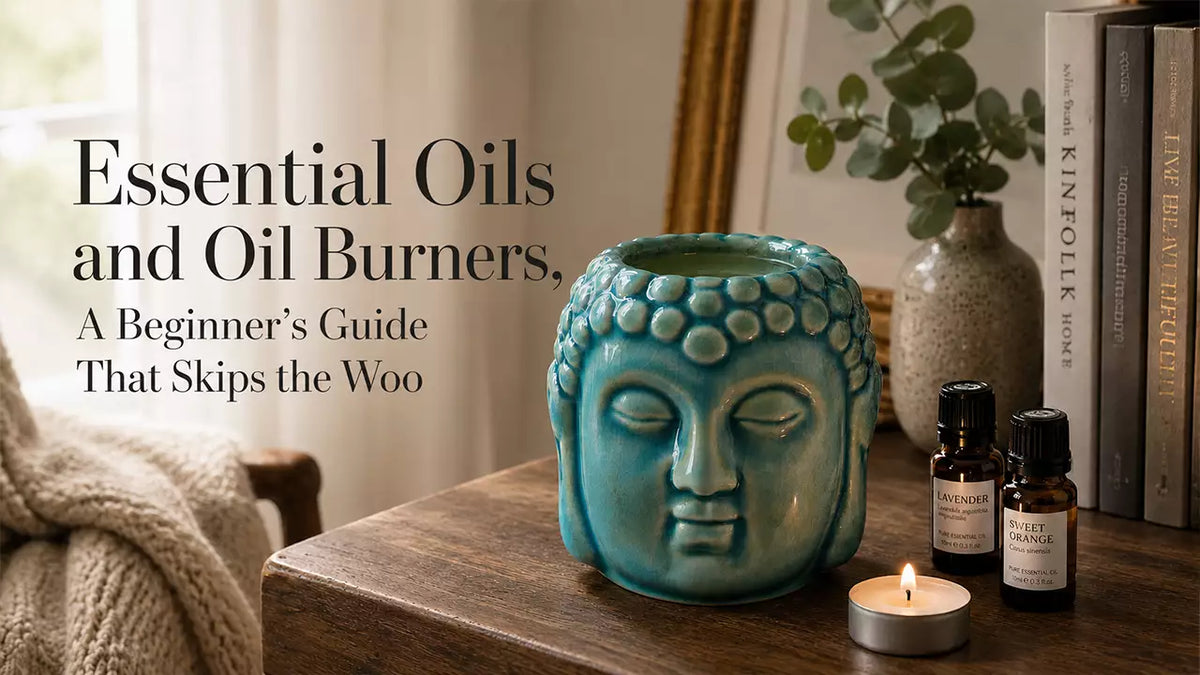
Shop Now: Sitting Buddha Oil Burner - Blue
Understanding Essential Oils and Aromatherapy
Before we dive into the specifics of oil burners, let's take a moment to understand what essential oils are and how aromatherapy works. Essential oils are concentrated plant extracts obtained through distillation or cold pressing. They capture the natural fragrance and beneficial properties of plants, flowers, herbs, and trees. These oils have been used for thousands of years across various cultures for their therapeutic and aromatic properties.
Aromatherapy is the practice of using these essential oils to promote physical, mental, and emotional wellbeing. When you inhale the aroma of essential oils, the scent molecules travel through your nasal passages to your olfactory system, which is directly connected to your brain's limbic system. This system controls emotions, memories, and stress responses, which is why aromatherapy can be so powerful in influencing your mood and overall sense of wellbeing.
The beauty of aromatherapy is that it's a natural, non-invasive way to support your health and create a more pleasant living environment. Unlike synthetic fragrances that can contain harmful chemicals, pure essential oils offer genuine therapeutic benefits alongside their wonderful scents.
What Are Oil Burners and How Do They Work?
An essential oil burner, also known as an oil diffuser or aroma burner, is a device designed to disperse essential oils into the air. There are several types of oil burners available, each working in a slightly different way. Understanding the different types will help you choose the best option for your home and needs.
Traditional Wax Melt and Oil Burners
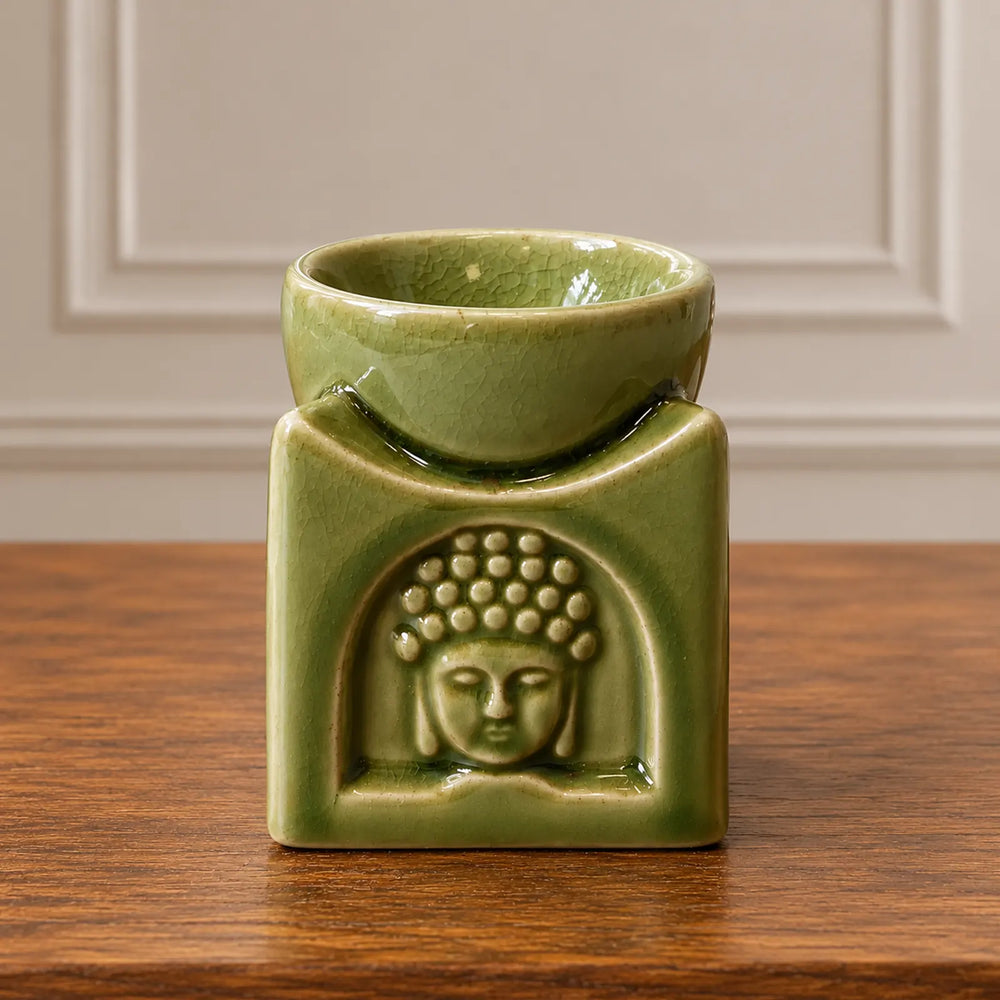
The classic oil burner is the traditional wax melt and oil burner, often called a ceramic or porcelain burner. These charming devices typically feature a small bowl or dish on top where you place a few drops of essential oil mixed with water, or alternatively, scented wax melts. Beneath this bowl is a space for a tea light candle. As the candle heats the oil and water mixture, the essential oils evaporate and disperse their aroma throughout the room.
These burners are beloved for their simplicity, affordability, and aesthetic appeal. They come in countless designs, from minimalist modern styles to ornate decorative pieces that complement any home decor. At Root & Still, we appreciate how these burners can serve as beautiful decorative elements in your meditation space or living room while providing therapeutic benefits.
Electric Oil Diffusers
Electric oil diffusers have become increasingly popular in recent years. These devices use ultrasonic technology, heat, or nebulization to disperse essential oils into the air. Ultrasonic diffusers, for example, use vibrations to break down the oil and water mixture into a fine mist that's released into the air. Electric diffusers offer several advantages: they're safer than flame-based burners, they often have adjustable settings, and many include features like LED lighting and automatic shut-off timers.
Nebulizing Diffusers
Nebulizing diffusers are considered the most powerful type of diffuser. They use pressurized air to break essential oils into tiny particles without requiring water or heat. This method preserves the therapeutic properties of the oils more effectively than other methods. However, nebulizing diffusers tend to be more expensive and consume oils more quickly.
Choosing the Right Essential Oil Burner for Your Home
Selecting the perfect oil burner depends on several factors, including your budget, your home's aesthetic, safety considerations, and how you plan to use it.
Consider Your Space
Think about where you want to use your oil burner. Are you looking to scent a small bedroom, a spacious living room, or multiple rooms? Larger spaces may require more powerful diffusers or multiple burners. A traditional tea light burner works wonderfully for small to medium-sized rooms, while electric diffusers with adjustable mist settings are better for larger areas.
Think About Safety
If you have children or pets, safety should be a primary consideration. Traditional candle-based burners pose a fire risk and should be placed out of reach. Electric diffusers are generally safer, though you should still ensure they're used according to manufacturer instructions. Some electric diffusers have automatic shut-off features after a certain period, which adds an extra layer of safety.
Match Your Home Decor
Your oil burner will likely be a visible element in your home, so choose one that complements your interior design. If you're creating a meditation space with Buddha statues and mindful decor, a ceramic or wooden burner with natural aesthetics would be perfect. For modern homes, sleek electric diffusers might be more appropriate. The good news is that oil burners come in virtually every style imaginable, so you're sure to find one that matches your taste.
Budget Considerations
Traditional tea light burners are the most affordable option, often costing just a few pounds. Electric diffusers range from budget-friendly models to premium options costing over a hundred pounds. Consider how much you're willing to invest and remember that even an inexpensive burner can provide wonderful benefits.
How to Use an Essential Oil Burner: Step-by-Step Guide
Now that you understand the different types of oil burners, let's walk through how to use them properly. Proper usage ensures you get the maximum benefit from your essential oils while maintaining safety.
Using a Traditional Tea Light Burner
Step 1: Fill the Bowl Fill the small bowl or dish at the top of your burner with water. You don't need much—usually about a quarter to half full is sufficient. Some people prefer to use distilled water, though tap water works fine.
Step 2: Add Your Essential Oil Add 3-5 drops of your chosen essential oil to the water. Start with fewer drops if you're sensitive to scents, and you can always add more. Remember that essential oils are highly concentrated, so a little goes a long way. You don't want to overwhelm your senses or waste precious oil.
Step 3: Place the Tea Light Insert a tea light candle into the space beneath the bowl. Make sure the candle is secure and won't tip over. Never leave a burning candle unattended.
Step 4: Light the Candle Light the tea light and allow it to burn. The heat from the candle will warm the water and essential oil mixture, causing the oils to evaporate and disperse their aroma throughout the room. The burner should begin releasing fragrance within a few minutes.
Step 5: Maintain and Replace As the water evaporates, you may need to add more. If the water level gets too low, the burner might overheat or the scent won't disperse as effectively. Replace the tea light when it burns out. Most tea lights last about 4-6 hours.
Step 6: Safety First Always extinguish the candle before leaving the room or going to sleep. Never leave a burning candle unattended. Keep the burner away from drafts, curtains, and anything flammable.
Using an Electric Oil Diffuser
Step 1: Read the Instructions Different electric diffusers have different specifications, so always read the manufacturer's instructions first. This ensures you use your specific model correctly.
Step 2: Fill the Water Tank Most electric diffusers have a water tank with a fill line. Fill the tank with distilled or tap water up to the indicated line. Don't overfill, as this can damage the device.
Step 3: Add Essential Oil Add 3-10 drops of essential oil to the water, depending on your preference and the diffuser's capacity. Some diffusers have a separate essential oil compartment, while others mix the oil directly with water.
Step 4: Plug In and Turn On Plug your diffuser into an electrical outlet and turn it on. Most electric diffusers have a power button and may have additional controls for mist intensity, timer settings, and lighting options.
Step 5: Adjust Settings If your diffuser has adjustable settings, experiment to find what works best for you. You might prefer continuous misting or intermittent bursts. Some diffusers allow you to set a timer so they automatically shut off after a certain period.
Step 6: Maintenance Empty and clean your diffuser regularly, especially if you're switching between different oils. Residual oil can affect the scent of new oils you add. Most diffusers can be cleaned with a soft cloth and a bit of water or vinegar.
Selecting the Best Essential Oils for Beginners
With thousands of essential oils available, choosing where to start can feel overwhelming. Here are some of the best essential oils for beginners, along with their primary benefits:
Lavender
Lavender is perhaps the most versatile and popular essential oil. It's calming, soothing, and helps reduce stress and anxiety. Lavender is also known for promoting better sleep, making it perfect for bedrooms. It has a gentle, floral scent that most people find pleasant.
Peppermint
Peppermint oil is energizing and refreshing. It can help improve focus and concentration, making it ideal for home offices or study areas. The cool, minty aroma is invigorating and can help combat mental fatigue.
Eucalyptus
Eucalyptus oil has a fresh, clean scent and is known for its respiratory benefits. It can help clear airways and promote easier breathing. Many people use eucalyptus oil during cold and flu season.
Lemon
Lemon oil is uplifting and mood-boosting. It has a fresh, citrusy scent that energizes and brightens your space. Lemon oil is also believed to have cleansing properties and can help improve focus.
Chamomile
Chamomile oil is calming and soothing, similar to lavender but with a slightly different scent profile. It's wonderful for relaxation and can help ease tension and worry.
Rose
Rose oil has a beautiful, romantic floral scent. It's known for its emotional benefits, promoting feelings of love, comfort, and self-care. Rose oil is perfect for creating a luxurious, spa-like atmosphere in your home.
Frankincense
Frankincense has a warm, woody, slightly spicy scent. It's often used in meditation and spiritual practices and is believed to promote grounding and inner peace. It pairs beautifully with Buddha statues and meditation spaces.
Tea Tree
Tea tree oil has a strong, medicinal scent and is known for its purifying properties. While powerful, it should be used sparingly and is best for those who enjoy stronger scents.
Creating the Perfect Aromatherapy Blends
Once you're comfortable using individual oils, you might want to experiment with blending oils to create custom scents that suit your mood and needs. Blending is an art form, but here are some simple guidelines to get you started.
Basic Blending Ratios
A simple way to start blending is to use a ratio of 3-4 drops of your primary oil to 1-2 drops of secondary oils. For example, you might combine 4 drops of lavender with 1 drop of chamomile for a deeply calming blend.
Complementary Scent Combinations
Some oils naturally complement each other beautifully. Lavender and chamomile create a soothing blend perfect for sleep. Lemon and peppermint combine for an energizing, uplifting scent. Frankincense and rose create a luxurious, meditative blend. Eucalyptus and peppermint work together to support respiratory health.
Seasonal Blends
You might enjoy changing your blends with the seasons. In spring, try fresh citrus blends with lemon and grapefruit. Summer calls for cooling peppermint and eucalyptus combinations. Autumn is perfect for warm, spicy blends with frankincense and cinnamon. Winter suits cozy blends with cedarwood and pine.
Mood-Based Blends
Create blends tailored to different moods and times of day. For morning energy, combine lemon, peppermint, and rosemary. For afternoon focus, try peppermint, eucalyptus, and basil. For evening relaxation, blend lavender, chamomile, and ylang-ylang.
Safety Tips for Using Essential Oils and Oil Burners
While essential oils are natural, they should be used responsibly. Here are important safety guidelines to follow:
Never Ingest Essential Oils
Essential oils are for external use only. Never drink essential oils or add them to food or beverages unless specifically directed by a qualified aromatherapist or healthcare professional. Ingesting essential oils can be dangerous.
Dilute Properly
Always dilute essential oils before applying them to your skin. Pure essential oils are too concentrated and can cause irritation or burns. When using in a burner with water, the dilution happens naturally.
Avoid Overuse
More is not better with essential oils. Using too much oil can overwhelm your senses and may cause headaches or irritation. Start with fewer drops and increase gradually if desired.
Be Cautious with Certain Oils
Some essential oils should be avoided during pregnancy, while breastfeeding, or if you have certain health conditions. Oils like clary sage, rosemary, and peppermint should be used cautiously during pregnancy. If you're pregnant, nursing, or have health concerns, consult with a healthcare professional before using essential oils.
Keep Away from Children and Pets
Essential oils should be stored safely away from children and pets. Some oils can be toxic to pets if ingested. Always supervise children around oil burners, especially those with open flames.
Ensure Proper Ventilation
While aromatherapy is wonderful, ensure your space has adequate ventilation. Using an oil burner in a completely sealed room for extended periods might become overwhelming. Open a window occasionally to refresh the air.
Use Quality Oils
Purchase essential oils from reputable suppliers who provide pure, high-quality oils. Synthetic fragrances or low-quality oils won't provide the same benefits and may contain harmful additives.
Check for Allergies
Before using a new essential oil, do a patch test. Apply a diluted drop to a small area of skin and wait 24 hours to ensure you don't have an allergic reaction. Some people may be sensitive to certain oils.
Maintaining Your Oil Burner
Proper maintenance ensures your oil burner lasts longer and functions optimally.
Regular Cleaning
For traditional tea light burners, empty the bowl after each use and wipe it clean with a soft cloth. This prevents oil buildup and ensures fresh scents each time you use it. For electric diffusers, follow the manufacturer's cleaning instructions, typically involving emptying the water tank and wiping the interior with a soft cloth.
Descaling Electric Diffusers
If you use tap water in your electric diffuser, mineral deposits may accumulate over time. Periodically descale your diffuser by filling it with equal parts white vinegar and water, running it for a few minutes, then rinsing thoroughly with clean water.
Replacing Parts
Tea light burners may eventually develop cracks or chips. If this happens, it's time to replace the burner. For electric diffusers, some parts like mist nozzles may need replacement over time. Check if replacement parts are available from the manufacturer.
Storage
Store your oil burner in a clean, dry place when not in use. Keep essential oils in dark glass bottles away from direct sunlight and heat, as light and heat can degrade the oils.
Creating a Mindful Home with Aromatherapy
At Root & Still, we believe that creating an intentional, mindful home is about engaging all your senses and creating an environment that supports your wellbeing. Aromatherapy through essential oil burners is a powerful tool in this journey.
Combining Aromatherapy with Other Mindful Elements
Consider pairing your oil burner with other elements of a mindful home. Place your burner near a handcrafted Buddha statue in your meditation space. The calming aroma of frankincense or lavender will enhance your meditation practice. In your living room, combine your oil burner with comfortable seating, soft lighting, and perhaps some plants to create a sanctuary from the stresses of daily life.
Using Aromatherapy for Different Spaces
Different rooms benefit from different scents. In bedrooms, use calming oils like lavender and chamomile to promote restful sleep. In home offices, use energizing oils like peppermint and lemon to boost focus and productivity