Creating a home altar might sound like something reserved for religious practitioners, but the truth is far more inclusive and accessible than you might think. Whether you're looking to establish a dedicated space for mindfulness, personal reflection, or simply want to cultivate a sense of calm and intention in your home, a home altar can be a beautiful and meaningful addition to your living space. This guide will walk you through everything you need to know about building your own home altar, regardless of your spiritual background or beliefs.
Understanding What a Home Altar Really Is
Before we dive into the practical aspects of building your home altar, let's clarify what we're actually talking about. A home altar isn't necessarily a religious shrine or a place of worship in the traditional sense. Instead, think of it as a dedicated space in your home that serves as a focal point for your intentions, values, and personal growth. It's a physical manifestation of what matters to you.
For non-religious people, a home altar can represent anything from a commitment to wellness and self-care, to a celebration of nature, creativity, or personal achievements. It's entirely customizable to reflect your unique perspective and lifestyle. Some people create altars focused on gratitude, others on healing, creativity, or simply as a beautiful display of objects that bring them joy and peace.
The beauty of a modern, secular home altar is that there are no rules. You're not bound by tradition or doctrine. Instead, you have complete freedom to design a space that resonates with your personal values and aesthetic preferences. This flexibility makes home altars more accessible and appealing than ever before, especially for those who might have previously felt excluded from spiritual or meditative practices due to religious concerns.
Why Create a Home Altar?
You might be wondering what the actual benefits of creating a home altar are. Beyond the aesthetic appeal, there are several genuine advantages to establishing this kind of intentional space in your home.
Mental Health and Mindfulness Benefits
Creating a dedicated space for reflection and mindfulness can have significant positive effects on your mental health. In our fast-paced, constantly connected world, having a physical space that invites you to slow down and be present is invaluable. When you spend time at your altar, you're essentially giving yourself permission to pause, breathe, and reconnect with what truly matters to you.
Research on mindfulness and meditation has consistently shown that these practices can reduce anxiety, improve focus, and enhance overall emotional wellbeing. A home altar serves as a visual reminder and invitation to engage in these beneficial practices regularly. Even if you only spend five minutes a day at your altar, that dedicated time can make a meaningful difference in your mental health.
Creating Intentionality in Your Space
Our homes are more than just places where we sleep and eat. They're reflections of who we are and what we value. By creating a home altar, you're actively shaping your living environment to support your goals and values. This act of intentional design can have a ripple effect throughout your entire home and life.
When you have a dedicated space that represents your intentions, you're more likely to think about those intentions regularly. Whether your altar focuses on health, creativity, gratitude, or personal growth, having a physical reminder in your home helps keep these values at the forefront of your mind.
A Personal Sanctuary
In a world that often feels overwhelming and chaotic, having a small sanctuary within your own home can be incredibly grounding. Your altar can serve as a refuge, a place where you can retreat when you need to reconnect with yourself or simply take a break from the demands of daily life. This doesn't require any religious belief; it's simply about creating a space that feels safe, calm, and authentically yours.
Choosing the Right Location for Your Home Altar
The location of your home altar is crucial to its effectiveness and your ability to use it regularly. You want to choose a spot that's accessible, peaceful, and ideally, somewhat private.
Ideal Locations
Living rooms are popular choices for home altars, particularly if you have a shelf, side table, or corner that can be dedicated to this purpose. A living room altar is visible enough to serve as a daily reminder of your intentions, yet it doesn't feel as intimate as placing one in a bedroom. If you have a dedicated meditation or yoga space, that's an excellent location for your altar.
Bedrooms can work well if you want your altar to be more private and intimate. A bedroom altar might focus on rest, self-care, and personal reflection. Some people place small altars on their nightstands or on a shelf at the foot of their bed.
Home offices and creative spaces are wonderful locations if your altar focuses on productivity, creativity, or professional goals. Having your altar visible while you work can help maintain focus and motivation throughout the day.
Gardens and outdoor spaces are increasingly popular for home altars, especially if your altar incorporates natural elements. An outdoor altar can be a beautiful way to connect with nature and the changing seasons.
Considerations for Your Space
Think about foot traffic and privacy. You want a location that's quiet enough for reflection but not so hidden that you forget about it. If you live with others, consider whether you want your altar to be a shared family space or something more personal and private.
Natural light is a wonderful addition to an altar space. If possible, choose a location that receives some natural light during the day. This can enhance the visual appeal of your altar and create a more inviting atmosphere.
Avoid placing your altar in areas that are cluttered, noisy, or associated with stress. You want your altar location to feel calm and intentional. If your altar is surrounded by chaos, it will be harder to achieve the sense of peace and focus you're aiming for.
Essential Elements for Your Home Altar
While there are no strict rules about what must be included in a home altar, certain elements tend to work particularly well. Let's explore the key components you might consider.
A Base Surface
Your altar needs a foundation. This could be a small table, a shelf, a dresser, a windowsill, or even a dedicated corner of a larger piece of furniture. The size depends on your space and how many items you want to display. A small altar might be just 12 inches wide, while a larger one could span several feet.
The material of your base surface matters aesthetically. Wood is warm and natural, metal can feel modern and sleek, and glass creates an airy, contemporary feel. Choose something that complements your home's style and feels right to you.
Candles
Candles are perhaps the most universal element of home altars, and for good reason. They create ambiance, provide a focal point, and their gentle flickering can be meditative in itself. You don't need to light them constantly; simply having them present adds to the altar's visual appeal and symbolic weight.
Consider using unscented candles if you want to avoid competing scents, or choose scents that align with your altar's purpose. For a calming altar, lavender or chamomile might be appropriate. For a creativity-focused altar, citrus or peppermint scents could be energizing.
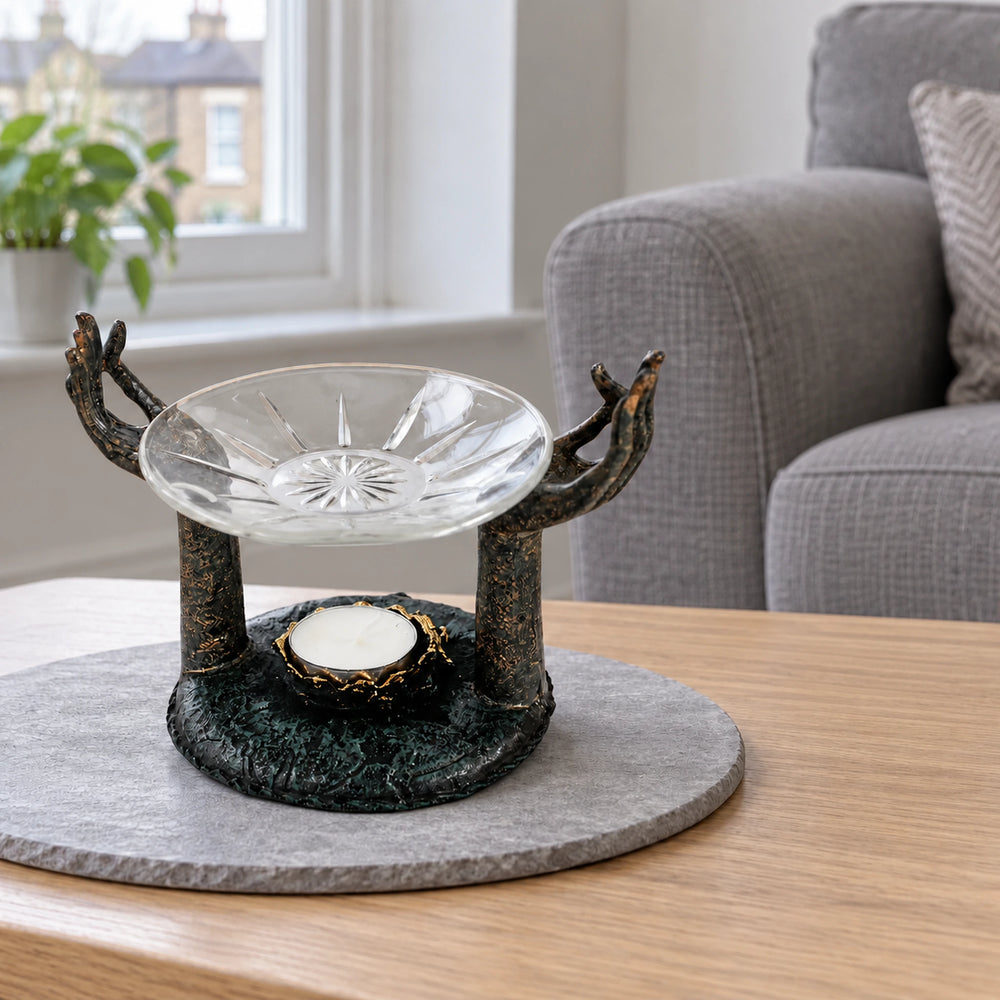
Candle holders can be simple or ornate, depending on your aesthetic. Some people use traditional candlesticks, while others prefer modern holders or even repurposed items that have personal significance.
Natural Elements
Incorporating natural elements into your altar connects you to the earth and the cycles of nature. This might include stones, crystals, plants, flowers, branches, shells, or other items found in nature.
Stones and crystals have been valued for centuries for their beauty and symbolic properties. You don't need to believe in crystal healing to appreciate their aesthetic qualities and the intention you set when choosing them. A smooth river stone might represent calm, while a piece of clear quartz could symbolize clarity and new beginnings.
Plants and flowers bring life and vitality to your altar. A small potted plant or a vase of fresh flowers can transform your space. Dried flowers and branches offer a more permanent option and can be beautiful in their own right.
Meaningful Objects
This is where your altar becomes truly personal. Include objects that have meaning to you. This might be a photograph, a memento from a meaningful experience, a book that inspires you, a piece of jewelry, or anything else that resonates with your values and intentions.
These objects don't need to be traditionally spiritual or religious. A small sculpture you love, a smooth stone from a meaningful place, a ticket stub from an important event, or a handwritten note with an affirmation can all be powerful altar elements.
Representations of Your Intentions
Consider including items that represent what your altar is about. If your altar focuses on gratitude, you might include a gratitude jar where you write things you're thankful for. If it's about creativity, you might display a piece of your own art or a tool related to your creative practice.
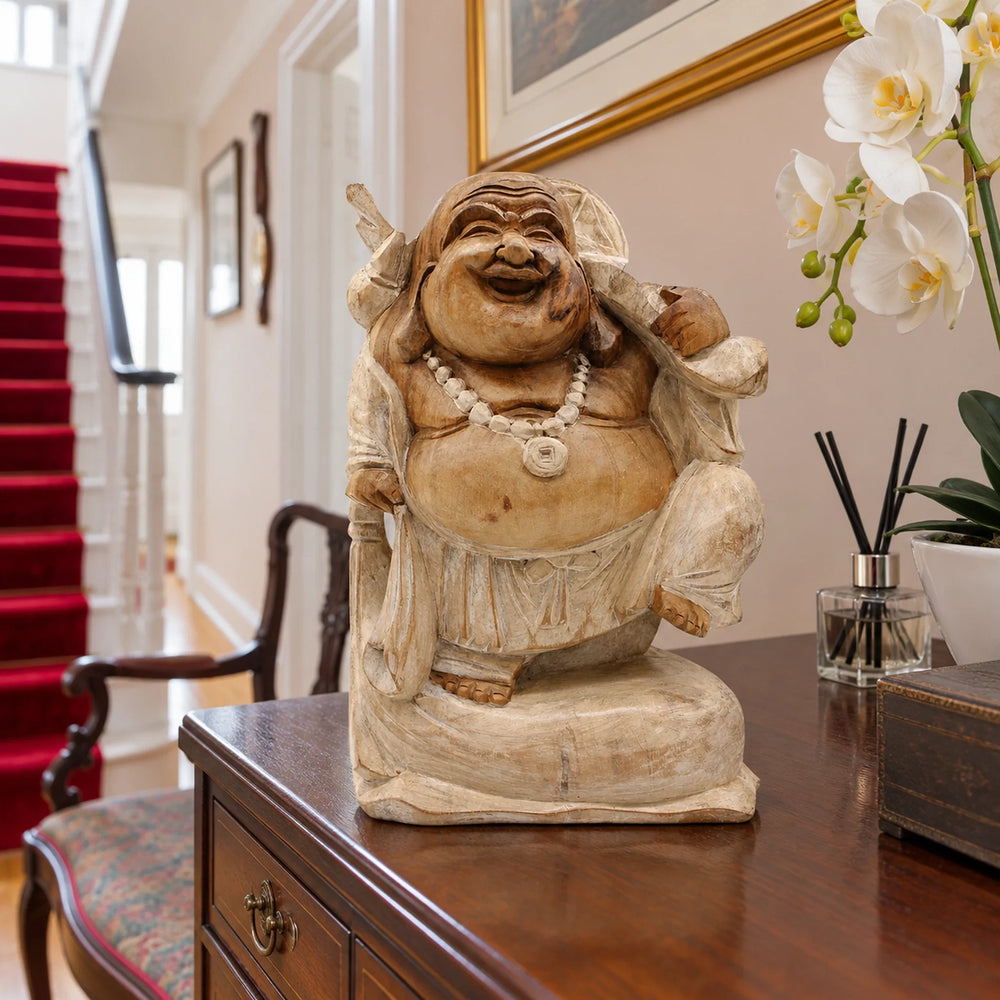
Handcrafted Buddha statues can be wonderful additions to a home altar, even for non-religious people. These beautiful pieces represent peace, mindfulness, and inner calm. They serve as visual reminders to slow down and be present, regardless of your spiritual beliefs. Root & Still offers premium handcrafted Buddha statues that can add a sense of serenity and intentionality to your altar space.
Incense or Aromatherapy
While optional, incense or essential oil diffusers can enhance your altar experience. The act of lighting incense or diffusing essential oils can become part of your ritual, signaling to yourself that it's time to pause and reflect.
Choose scents that align with your altar's purpose and your personal preferences. Some popular options include lavender for calm, rosemary for clarity, and frankincense for grounding.
Designing Your Altar Based on Its Purpose
Different altars serve different purposes, and the design should reflect that. Let's explore several popular altar types and how to design them.
A Calm and Mindfulness Altar
If your primary goal is to create a space for calm and mindfulness, focus on elements that promote peace and tranquility. Soft colors like whites, creams, pale blues, and soft greens work well. Include comfortable seating nearby if possible, even just a cushion where you can sit and meditate.
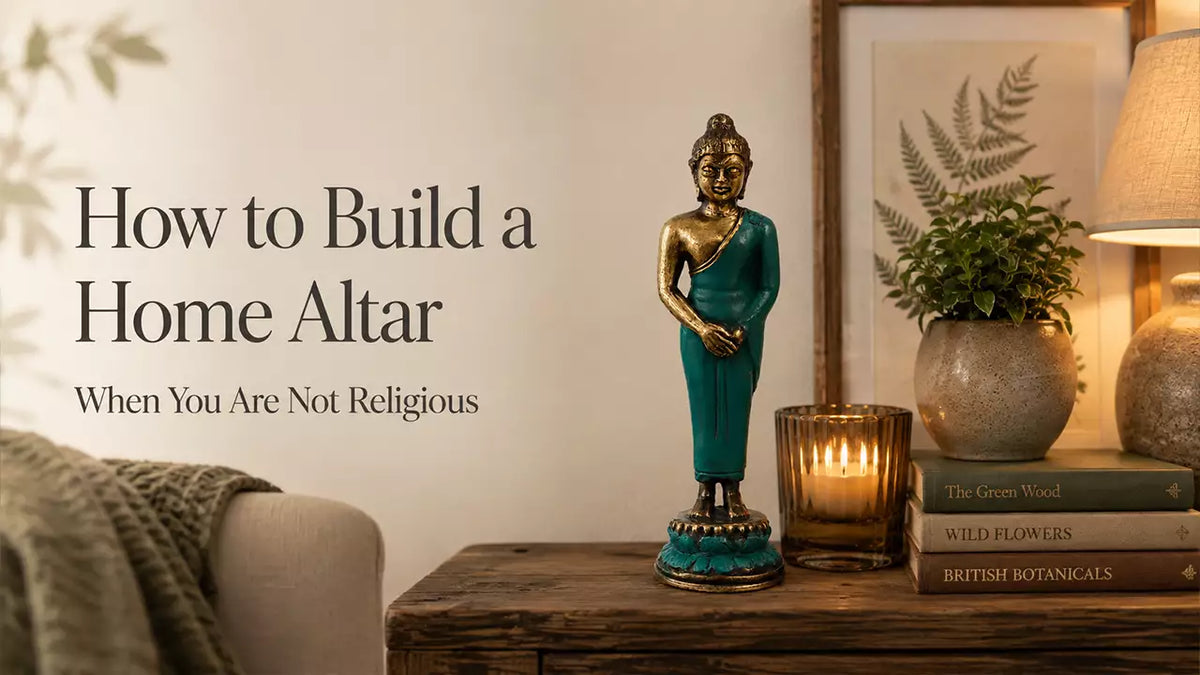
A handcrafted Buddha statue is an excellent centerpiece for this type of altar. Pair it with candles, perhaps some smooth stones, and a small plant. You might include a journal for recording your thoughts and reflections, or a book of poetry or inspirational quotes.
The key is to keep this altar relatively uncluttered. Too many items can feel overwhelming and work against the sense of calm you're trying to create. Choose each element deliberately and ensure it contributes to the peaceful atmosphere.
A Gratitude Altar
A gratitude altar celebrates abundance and appreciation. This type of altar works well with warmer colors like golds, oranges, and warm yellows. Include a gratitude jar where you can write things you're thankful for, or a gratitude stone that you hold while reflecting on what you appreciate in your life.
Display items that represent abundance and joy. This might include photographs of loved ones, images of places you love, or objects that bring you happiness. Fresh flowers are particularly appropriate for a gratitude altar, as they represent the beauty and abundance of nature.
You might also include a small bowl of natural items like stones, shells, or seeds, each representing something you're grateful for. This creates an interactive element that invites you to engage with your altar regularly.
A Creativity Altar
If you're looking to boost your creative energy, design an altar that inspires and energizes. Brighter colors work well here, along with items related to your creative practice. If you're a writer, include a favorite pen or a meaningful book. If you're an artist, display a piece of your work or art supplies.
Include items that represent inspiration and possibility. This might be images that move you, quotes from artists or creators you admire, or objects with interesting textures and colors. A small plant or flowers can represent growth and new ideas.
Consider including a vision board element, where you display images or words representing what you want to create. This keeps your creative goals visible and present.
A Wellness and Self-Care Altar
A wellness altar focuses on health, healing, and self-care. Include items that support your wellbeing, such as a small bottle of your favorite essential oil, a smooth stone for holding during stressful moments, or a book about health and wellness.
Colors associated with healing and wellness include soft greens, blues, and purples. Include natural elements like plants, flowers, or stones. You might also include a small mirror, symbolizing self-reflection and self-love.
A journal for tracking your wellness journey, whether that's physical health, mental health, or emotional wellbeing, can be a meaningful addition. You might also include affirmations or reminders about self-care practices you want to prioritize.
A Nature and Seasonal Altar
Some people enjoy creating altars that celebrate the natural world and the changing seasons. This type of altar is particularly fun because it changes throughout the year, keeping your space fresh and connected to the cycles of nature.
In spring, include fresh flowers, new growth, and symbols of renewal. Summer altars might feature bright colors, shells from beach visits, and items celebrating warmth and abundance. Autumn altars can showcase fall foliage, harvest items, and warm colors. Winter altars might include evergreen branches, white candles, and items representing rest and reflection.
This type of altar naturally incorporates natural elements and can be a wonderful way to stay connected to the seasons and the natural world around you.
Styling Your Altar: Aesthetic Considerations
Beyond the functional elements, the visual presentation of your altar matters. A well-styled altar is more inviting and more likely to draw you in for regular reflection and mindfulness.
Color Schemes
Consider the overall color scheme of your altar. While there are no rules, certain color combinations tend to feel harmonious. Monochromatic schemes using different shades of one color create a calm, cohesive look. Complementary color schemes using colors opposite each other on the color wheel create visual interest and energy.
Neutral bases with pops of color often work well. For example, a white or natural wood base with touches of deep blue or sage green can feel both calm and intentional.
Balance and Composition
Think about how you arrange items on your altar. Balance doesn't necessarily mean symmetry; asymmetrical balance can be more visually interesting. Try grouping items in odd numbers (three or five items together) rather than even numbers, which tends to feel more natural and pleasing to the eye.
Create visual interest by varying heights. Use books, boxes, or small stands to elevate some items above others. This creates dimension and makes your altar more visually engaging.
Leave some empty space. A cluttered altar can feel overwhelming. White space or empty areas of your base surface help the eye rest and make the items you've chosen stand out more.
Layering and Depth
Create depth by layering items. Place some objects in front of others, creating a sense of layers as you look at your altar. This makes the space feel more three-dimensional and interesting.
Consider the depth of your altar space as well. If you have room, arrange items at different distances from the front, creating a sense of perspective.
Lighting
Lighting dramatically affects how your altar looks and feels. Natural light is wonderful, but you might also consider adding a small lamp or using candles to create ambient lighting. Warm light tends to feel more inviting and calming than cool light.
If you include candles, consider their placement carefully. A candle at the back of your altar can create a beautiful focal point, while candles distributed throughout create a more distributed sense of light and warmth.
Incorporating Handcrafted Elements
One of the most meaningful ways to personalize your altar is to include handcrafted items. These pieces carry the energy and intention of the maker, adding depth and authenticity to your space.
The Value of Handcrafted Pieces
Handcrafted items are inherently more meaningful than mass-produced alternatives. When you choose a handcrafted Buddha statue or other artisanal piece, you're supporting skilled craftspeople and bringing something truly unique into your home. Each handcrafted piece has its own character and story.
Handcrafted Buddha statues, in particular, can be beautiful centerpieces for your altar. These pieces represent peace, mindfulness, and inner calm. Whether you approach them from a spiritual perspective or simply appreciate their aesthetic and symbolic value, a handcrafted Buddha statue can anchor your altar and set the tone for the entire space.
Root & Still specializes in premium handcrafted Buddha statues and mindful decor designed to create calm, intentional homes. Their pieces are perfect for altars, meditation spaces, and anywhere you want to cultivate a sense of peace and presence.
Choosing Handcrafted Pieces
When selecting handcrafted items for your altar, consider both the aesthetic and the story behind the piece. Where was it made? Who made it? What materials were used? These details add layers of meaning to your altar.
Look for pieces that resonate with you emotionally. You might be drawn to a particular Buddha statue because of its expression, its posture, or simply the feeling it evokes when you look at it. Trust your instincts and choose pieces that speak to you.
Creating a Ritual Around Your Altar
An altar is most powerful when it's actively used. Creating a simple ritual or practice around your altar helps you engage with it regularly and deepens its impact on your life.
Daily Practices
Your ritual doesn't need to be complicated. It might be as simple as lighting a candle each morning and spending five minutes in quiet reflection. You might sit at your altar and write in a journal, meditate, or simply observe your space and the objects within it.
Some people use their altar as a place to set daily intentions. Each morning, they might pause at their altar and think about what they want to focus on that day. Others use it as an evening practice,