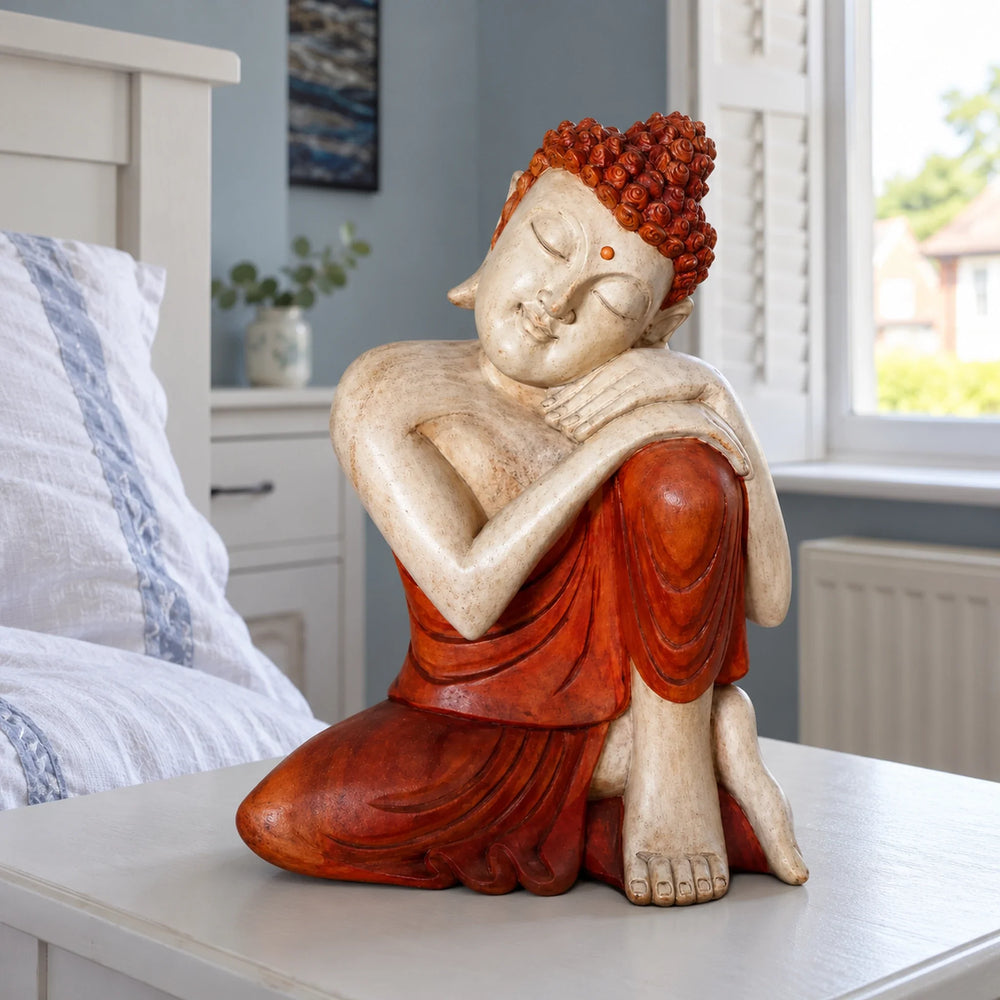
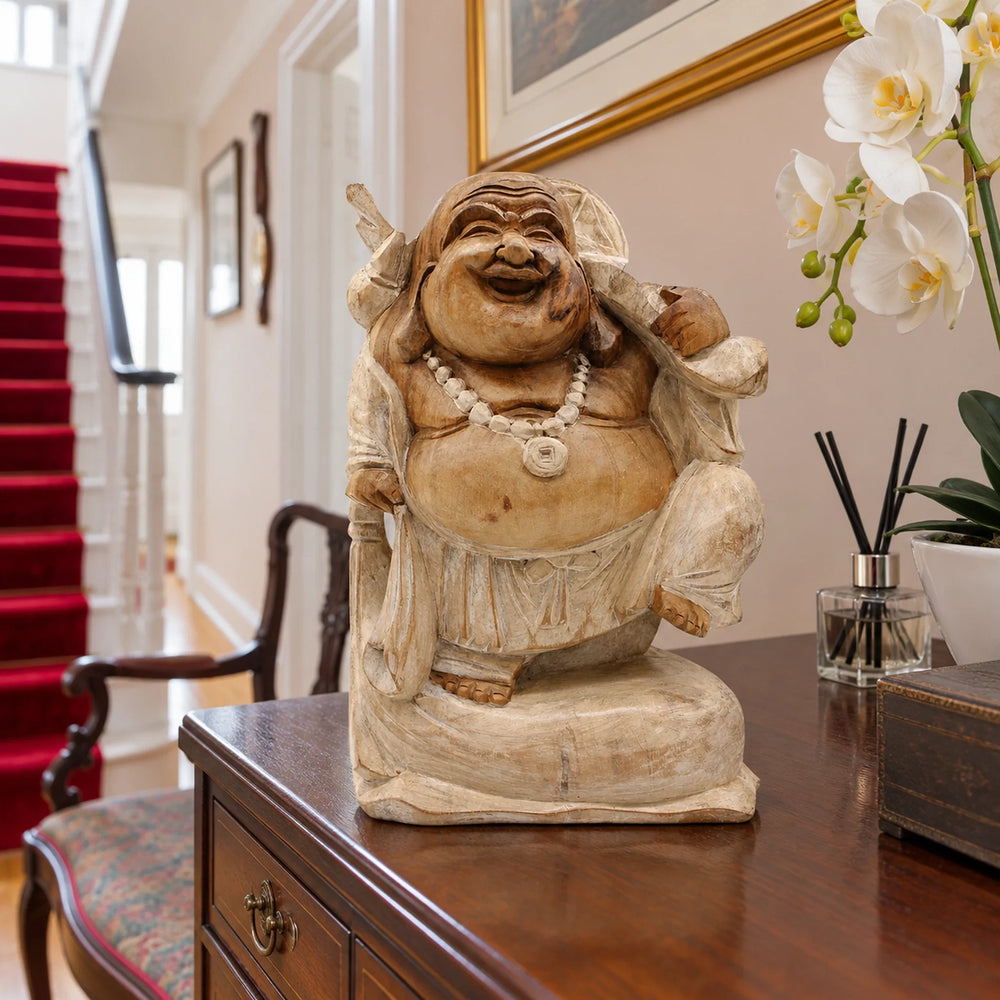
A Buddha statue can change the feeling of a room before anything else does. It softens visual noise, creates a point of pause, and brings a quieter rhythm to the space around it. So when people ask, are Buddha statues good luck, they are often asking something deeper: can an object help a home feel more peaceful, balanced, and grounded?
The honest answer is yes - but not in the simple, superstitious sense people sometimes expect. A Buddha statue is less about instant fortune and more about the atmosphere it invites. For many people, it represents calm, wisdom, compassion, and protection from chaos. In that way, the “luck” it brings is often felt as steadier energy, clearer intention, and a home that supports how you want to live.
Are Buddha statues good luck or symbolic?

In many homes, Buddha statues are seen as auspicious. They are associated with peace, spiritual awareness, and inner abundance rather than material luck alone. That distinction matters. If you place a Buddha statue in your home expecting it to act like a charm for money or success, you may miss the deeper value it offers.
Symbolically, Buddha imagery points towards presence. It reminds us to slow down, breathe, and relate to our surroundings with more care. For some households, that creates a noticeable shift. A room feels less restless. A corner becomes somewhere to sit with a cup of tea rather than a place where clutter collects. The benefit is real, but it comes through intention rather than magic.
This is also why different people interpret “good luck” differently. Someone with a spiritual practice may see a Buddha statue as a sacred object. Someone else may be drawn to it for its serene expression and grounding presence. Both responses can be valid, as long as the piece is treated with respect rather than used as a novelty.
What a Buddha statue represents in the home
A Buddha statue often carries meanings that go beyond décor. Even in a modern living room or a softly styled bedroom, it can signal stillness, mindfulness, and emotional balance. These are qualities many of us want more of, especially in homes that can otherwise feel busy, overfilled, or slightly disconnected.
The expression, posture, and hand position of a statue can shape the feeling it brings. A meditating Buddha usually suggests calm and inward focus. A laughing Buddha is commonly linked with joy, abundance, and warmth, although it is not the same figure as Siddhartha Gautama and is often used in a more folk-tradition context. A reclining Buddha may suggest peace and release. This is worth knowing if you want your space to feel considered rather than simply styled.
For design-conscious homes, this symbolism can work beautifully when it is integrated with care. Natural textures, muted colours, candlelight, stone, wood, and greenery all complement the quiet presence of Buddha imagery. The result is not theatrical spirituality. It is a room that feels rooted, thoughtful, and easy to exhale in.
Placement matters more than people think
If you are wondering whether Buddha statues are good luck, placement is part of the answer. In many traditions, where and how a Buddha statue is displayed affects the respect it conveys and the energy it is believed to invite.
A Buddha statue is generally best placed in a clean, elevated area where it can be appreciated rather than ignored. A console table in the hallway, a shelf in the living room, a dedicated meditation corner, or a sheltered garden spot can all work well. The common thread is that the setting should feel intentional.
It is usually best to avoid placing a Buddha statue directly on the floor, in a bathroom, or in a space that feels purely functional and overlooked. Bedrooms can be more nuanced. Some people find a Buddha statue in the bedroom deeply calming, while others prefer to keep sacred symbolism out of spaces associated with sleep, laundry, and storage. It depends on the room, the placement, and your own relationship to the piece.
The statue does not need to dominate the room. Often, a modestly sized piece placed with care feels more powerful than something oversized and decorative for its own sake. A calm home rarely comes from adding more. It comes from choosing well.
The best rooms for a Buddha statue
Living rooms are often the easiest fit because they are shared spaces where atmosphere matters. A Buddha statue there can anchor the room and create a sense of softness among sofas, books, and layered textiles.
Entryways also work beautifully. The symbolism of welcome, protection, and calm feels natural near the entrance, setting the tone from the moment you walk in.
Gardens and sheltered outdoor spaces can be especially effective if you want a place to pause and reconnect. Stone or weathered finishes sit well among plants and natural materials, and the statue can become part of the landscape rather than a separate statement piece.
Respectful styling makes all the difference
There is a difference between decorating with meaning and borrowing symbolism carelessly. A Buddha statue tends to feel most beautiful when it is given visual space and treated as more than a trend.
That does not mean your home needs to look traditionally religious. A modern interior can hold spiritual symbolism elegantly. The key is restraint. Pair the statue with a few grounding elements rather than crowding it with unrelated ornaments. A candle holder, a small incense dish, a ceramic bowl, or a trailing plant can be enough.
Avoid using a Buddha statue as a joke piece, a drinking prop, or part of a busy shelf where it becomes visually lost. If the aim is luck, peace, or positive energy, the mood around it should support that. Calm objects work best in calm settings.
This is where thoughtful curation matters. A well-chosen piece does more than fill a corner. It creates a focal point that helps the room breathe.
The design answer to “good luck”
From a home styling perspective, a Buddha statue can absolutely feel like good luck because it changes behaviour as much as aesthetics. People tend to keep intentional spaces tidier. They light candles there. They sit there for a moment before starting the day. They protect that corner from clutter because it gives something back.
That is often what good luck looks like at home. Not a dramatic event, but a subtle improvement in how a space supports your mood. A room that once felt flat begins to feel restorative. A shelf becomes a small ritual. Your home starts to hold you more gently.
For many people, that shift is why Buddha statues remain so enduring in interiors. They are not only beautiful objects. They carry a feeling. And feeling, more than formula, is what makes a home memorable.
Are Buddha statues good luck for everyone?
Not always, and it is worth being honest about that. If a Buddha statue is chosen only because it is fashionable, with no thought for its meaning, it can feel hollow. If it clashes with the rest of the space or is placed carelessly, it may not create the sense of harmony you are looking for.
There is also the question of personal belief. Not everyone connects with spiritual imagery, and that is fine. A calm home does not require a Buddha statue. It requires intention. For some, a Buddha figure expresses that beautifully. For others, the same feeling might come through candles, natural materials, or a simpler minimalist arrangement.
So the better question may be this: does the piece bring a sense of peace, reverence, and balance into your home? If it does, then its version of good luck is already at work.
Choosing a Buddha statue with intention
If you are selecting one for your home, let feeling guide you as much as finish or size. Notice the expression first. Some statues feel serene and inward. Others feel bright and welcoming. Think about what your space needs.
Material matters too. Stone-effect finishes feel grounding and timeless. Wood tones add warmth. Lighter ceramics can suit softer, contemporary interiors. The right choice is not only about matching your décor, but about creating emotional coherence in the room.
It also helps to buy from a place that treats these objects with care. Root & Still approaches Buddha décor as part of a calmer way of living, not as throwaway ornament, and that difference tends to show in how a piece sits within a home.
A Buddha statue will not do the work of peace for you. But it can remind you, quietly and beautifully, to create more of it where you live. And sometimes that is the kind of luck that matters most.